Plant Overview
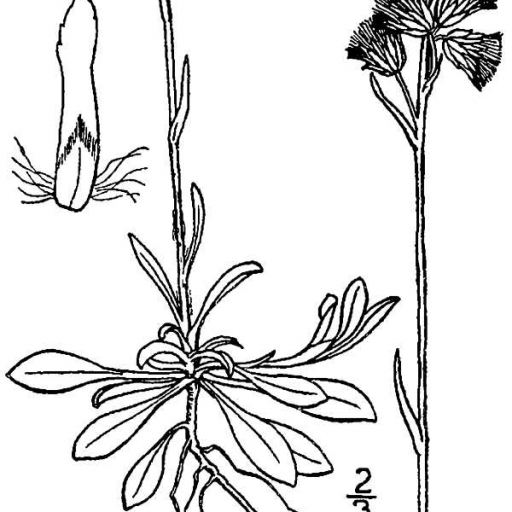
Commonly known as Howell’s Pussytoes, this charming perennial is the ultimate "softie" of the plant world. It earns its nickname from the fuzzy, rounded flower heads that bear a striking resemblance to the soft undersides of a kitten’s paw. Native to North America, it is a resilient groundcover that thrives in the tough spots where other plants might wither.
🔍 How to Identify
- 🐾 The "Pussytoe" Bloom: The plant produces small, fuzzy white-to-pinkish flower clusters atop thin stems. These clusters look like tiny, huddled velvet toes.
- 🥈 Silvery Foliage: The leaves are spoon-shaped and covered in dense, white woolly hairs, giving the entire plant a shimmering silver-green or greyish appearance.
- 🧶 Low Mat-Forming: It spreads via horizontal runners (stolons), creating a dense, carpet-like mat that stays very close to the ground, usually under 6 inches tall when not in bloom.
🏡 In Your Garden
- 🏜️ Thrives on Neglect: Howell’s Pussytoes is an expert at surviving in "poor" soil. It actually prefers dry, rocky, or sandy areas where it doesn't have to compete with aggressive tall grasses.
- 💧 Drought Adaptation: Those signature silver hairs aren't just for show; they trap a layer of moisture against the leaf and reflect intense sunlight, making this plant incredibly drought-tolerant once established.
- 🌱 Living Mulch: Because of its mat-forming habit, it acts as a wonderful "living mulch," suppressing weeds and cooling the soil surface in rock gardens or native meadows.
⚠️ Safety & Toxicity
- ✅ Non-Toxic: Antennaria howellii is considered safe and non-toxic for humans and common household pets like dogs and cats.
- 🧤 Skin Friendly: Unlike some fuzzy plants that can cause "mechanical irritation" (stinging), Pussytoes are generally soft to the touch and do not cause rashes or itching.
✨ Fun Fact
- 🦋 The Painted Lady's Nursery: This plant is a critical host for the American Painted Lady butterfly. If you see tiny silk nests among the leaves, don't spray! Those are the caterpillars' "tents" where they hide from predators while growing into beautiful orange and black butterflies.

Detailed Care Instructions
To grow Antennaria Howellii plants, you can follow these steps:
- Location: Choose a suitable planting location that receives full sun to partial shade. Antennaria Howellii prefers well-draining soil and can tolerate rocky or sandy soil conditions.
- Soil preparation: Prepare the soil before planting by removing any weeds, rocks, or debris. Improve the soil quality by adding organic matter like compost or well-rotted manure.
- Planting: Dig a hole in the soil that is slightly larger than the rootball of the plant. Place the Antennaria Howellii plant in the hole, ensuring that the top of the rootball is level with the soil surface. Fill the hole with soil, gently firming it around the plant.
- Watering: Water the newly planted Antennaria Howellii thoroughly to help settle the soil and encourage root establishment. Afterward, water the plant regularly, keeping the soil moist but not waterlogged. Avoid overwatering, as it can lead to root rot.
- Mulching: Apply a layer of organic mulch around the base of the plant to help conserve moisture and suppress weed growth. Avoid placing the mulch directly against the stems to prevent rotting.
- Maintenance: Antennaria Howellii is a relatively low-maintenance plant. Regularly remove any weeds or competing plants that may grow near the Antennaria Howellii to minimize competition for resources.
- Fertilization: Antennaria Howellii generally doesn't require much fertilization. However, if the plant appears weak or lacks vigor, you can apply a balanced, slow-release fertilizer during the spring. Always follow the instructions on the fertilizer package.
- Propagation: Antennaria Howellii can be propagated through division or by taking stem cuttings. Division is typically done in early spring or fall when the plant is not actively growing. Cuttings can be taken during the growing season and rooted in a moist, sterile planting medium.
- Pruning: Prune the plant in late winter or early spring to remove any dead or damaged foliage. This will help stimulate new growth and maintain the plant's shape.
By following these guidelines, you should be able to successfully grow and maintain Antennaria Howellii plants.

Place in a bright room that is sun drenched almost all day. Or directly in a south-facing window.

To properly water this plant, it is important to consider its specific needs. First, make sure that the soil is well-draining and not waterlogged, as this can lead to root rot. Water the plant deeply, allowing the water to penetrate the soil and reach the roots. However, do not water excessively, as this can also harm the plant. As a general rule, water when the top inch of soil feels dry to the touch. Also, take care to avoid getting water on the leaves and flowers, as this can cause damage or disease.
To fertilize this plant, apply a balanced fertilizer with equal amounts of nitrogen, phosphorus, and potassium. Do this in early spring, just before new growth emerges. Use a low-nitrogen fertilizer during the growing season to avoid excess foliage growth. Apply the fertilizer according to the package instructions, being careful not to over-fertilize as this can lead to burned roots and foliage damage. Water the plant well after fertilizing to ensure the nutrients are absorbed by the roots.
Antennaria Howellii is a type of plant that requires a specific type of soil for optimum growth. The ideal soil for this plant is a well-draining, sandy loam soil that is slightly acidic with a pH level ranging between 5.5 and 6.5. This type of soil allows for good water retention without becoming waterlogged, which can lead to root rot and other plant diseases. The soil should also be rich in organic matter to provide adequate nutrients for the plant's growth. When planting Antennaria Howellii, it is recommended to mix the soil with a small amount of sand or perlite to improve drainage and aeration. Additionally, it is important to avoid using heavy clay soils or soils that are too alkaline, as these can harm the delicate roots of this plant. Proper soil preparation is essential for a healthy and thriving Antennaria Howellii plant.
To propagate this plant, you will need to find a mature specimen in the wild or in cultivation. A healthy, disease-free plant with robust roots is best. You may need to obtain permission from the landowner or the person responsible for the plant, depending on where it is located.
Once you have located a suitable plant, you can take cuttings from the stems and leaves. Use a sharp and clean knife or pair of scissors to make a clean cut just below a node or leaf. Be sure to avoid damaging the plant or removing too much material.
The cuttings can be dipped in hormone rooting powder to encourage root growth, and then planted in sterile potting mix in a small container. Keep the soil moist, but not waterlogged, and place the container in a warm, bright location. A heated propagation mat can help speed up the rooting process.
After a few weeks, you should see new roots forming. Once the roots are well-established, you can transplant the new plants into larger containers or into a suitable location in the garden. Be sure to keep the soil moist and protect the new plants from strong direct sunlight until they are established.








