Plant Overview
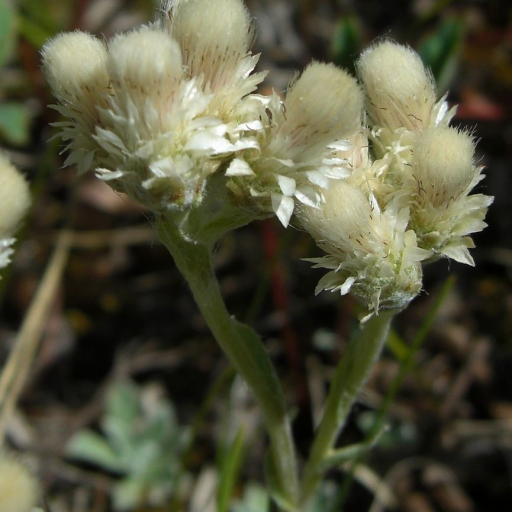
Known affectionately as "Small-leaf Pussytoes," this charming North American native looks like it belongs in a fairytale. Its tiny, velvety flower heads resemble the soft undersides of a kitten’s paw, earning it its whimsical name. Primarily found in the rocky meadows and dry plains of the West, it is a master of survival in environments where other plants might wither.
🔍 How to Identify
- 🐾 The "Paw" Blooms: Clusters of fuzzy, button-like flower heads atop short stems. They lack traditional petals, appearing instead like soft, woolly tufts in shades of white or pale pink.
- 🥈 Silver Foliage: The small, spoon-shaped leaves are covered in fine, silky hairs, giving the entire plant a shimmering silver or grayish-green cast.
- 🧶 Mat-Forming Habit: It grows low to the ground, spreading via horizontal runners (stolons) to create a dense, velvety carpet that hugs the earth.
🏡 In Your Garden
- 🏜️ Drought Specialist: This plant thrives on neglect. Its "hairy" leaves are actually an evolutionary trick to trap moisture and reflect intense sunlight, making it perfect for rock gardens or xeric landscaping.
- 🌱 Living Mulch: Because it forms such a tight mat, it acts as a natural weed suppressant. It is often used to fill the gaps between stepping stones or as a "steppable" groundcover in low-traffic areas.
⚠️ Safety & Toxicity
- ✅ Non-Toxic: Antennaria parvifolia is generally considered safe and non-toxic for humans, cats, and dogs.
- 🌿 Skin Gentleness: Unlike some "woolly" plants that can cause mechanical irritation, Pussytoes are famously soft to the touch, though it's always wise to wash your hands after gardening.
✨ Fun Fact
Small-leaf Pussytoes is a vital "nursery" plant! it serves as a primary host for the larvae of the American Painted Lady butterfly. If you see tiny silk nests among the leaves, don't reach for the pesticide—you’re watching future butterflies grow!

Detailed Care Instructions
To grow Antennaria Parvifolia, also known as Pussytoes, you can follow these steps:
- Planting: Choose a location that receives full or partial sun and has well-draining soil. Pussytoes can tolerate a variety of soil types but prefers a slightly acidic pH. Prepare the soil by removing any weeds or grass and loosening it with a garden fork or tiller.
- Sowing seeds: You can either sow the seeds indoors or directly outdoors in the spring or fall. If starting indoors, sow the seeds in a seed tray filled with seed-starting mix. Press the seeds lightly into the surface of the soil and cover them with a thin layer of seed-starting mix. Keep the tray in a warm location or use a heating mat to maintain a temperature of around 70°F (21°C). Keep the soil moist but not waterlogged.
- Transplanting seedlings: If you started the seeds indoors, when the seedlings have developed a few leaves and are large enough to handle, you can transplant them outdoors. Choose a cloudy or rainy day to minimize stress on the young plants. Dig a hole slightly larger than the plant's root ball, gently remove the seedling from the tray, and place it in the hole. Backfill the hole with soil, firming it gently around the plant. Water thoroughly after transplanting.
- Care: Water the plants regularly, especially during dry spells, to keep the soil moist but not soggy. Pussytoes is relatively drought-tolerant once established but performs best with consistent moisture. Mulching around the plants can help retain moisture and suppress weeds. Cut back any dead or faded flowers to encourage more blooms.
- Propagation: Pussytoes can also be propagated by dividing mature plants in early spring or fall. Using a garden fork or shovel, carefully dig up the plant, being careful not to damage the roots, and divide it into smaller clumps. Replant the divisions, making sure to space them apart. Water them well after planting.
- Pruning: Pussytoes plants are low-growing and form dense mats. To maintain their compact shape, you can trim them back after flowering or in early spring before new growth begins. Use sharp pruning shears to remove any dead or damaged leaves or stems. This will also help improve their appearance and overall health.
With proper care and suitable growing conditions, Antennaria Parvifolia should thrive and produce charming white or pink flowers, bringing beauty to your garden.

Place in a bright room that is sun drenched almost all day. Or directly in a south-facing window.

Antennaria Parvifolia, also known as Stoloniferous Pussytoes, is a small, herbaceous perennial plant that is native to North America. Watering this plant properly is essential to its survival and growth. Here are some tips on how to water Antennaria Parvifolia:
1. Watering frequency: Antennaria Parvifolia prefers well-draining soil, which means that it does not like to sit in water. Therefore, it is important to allow the soil to dry out slightly between watering. As a general rule, water the plant when the top inch of soil feels dry to the touch. This usually means watering once a week.
2. Watering method: When watering Antennaria Parvifolia, it is important to avoid getting water on the leaves. This can lead to fungal growth, which can damage the plant. Instead, water the soil around the base of the plant. This will allow the water to reach the roots without getting the leaves wet.
3. Water quantity: When watering Antennaria Parvifolia, it is important to avoid overwatering. Too much water can lead to root rot, which can kill the plant. To avoid overwatering, water the plant until the soil is moist but not waterlogged. This usually means watering for a few seconds and then stopping to allow the water to soak in before watering again.
4. Watering time: Watering Antennaria Parvifolia in the morning is the best time, as it gives the leaves and soil time to dry before nighttime. Wet leaves can attract pests and diseases, so it is important to avoid leaving the plant wet overnight.
Following these tips will help ensure that Antennaria Parvifolia receives the proper amount of water without being overwatered. With proper watering and care, this plant will thrive and provide beautiful, low-growing foliage in gardens or landscapes.
For fertilization of this plant, it is recommended to use a balanced fertilizer with equal amounts of nitrogen, phosphorus, and potassium. Apply the fertilizer in early spring, when new growth starts, and again in late summer, when the plant is preparing for winter. Use a low-dose fertilizer to avoid over-fertilization, which can harm the plant. Apply the fertilizer around the base of the plant and water thoroughly afterward. Avoid fertilizing during hot and dry periods to prevent root burn.
The ideal soil for growing this plant is a well-draining soil with a slightly acidic pH level. It should be a sandy loam that is rich in organic matter and humus, with good water retention capacity but also good aeration. It should be free from heavy clay or compacted soil as this can lead to root rot. A soil that is slightly moist but not water-logged is best for the Antennaria Parvifolia plant. Additionally, the plant prefers soil that is free from salt and heavy metal contamination. It is also important to ensure that the soil is well-mulched to protect the plant from temperature fluctuations and to maintain its moisture levels.
To propagate this plant, you will need to select healthy and strong stems from the parent plant. Then, trim off any damaged or dead leaves and make sure the stem is at least 4 inches long. Dip the cut end of the stem into rooting hormone powder.
Next, prepare a pot with well-draining soil and water it thoroughly. Make a small hole in the soil and plant the stem, ensuring the cut end is covered with soil.
Cover the pot with plastic or a clear plastic bag to create a greenhouse-like environment. Place the pot in a bright and warm spot, but not in direct sunlight.
Water the soil regularly to keep it moist but not waterlogged. After a few weeks, you should see new growth appearing from the stem, indicating that it has successfully rooted.
Once the new plant has grown a few inches, you can transplant it into a larger pot or into the garden, making sure to space it out properly and giving it enough room to grow.








