Plant Overview
Known affectionately as the "Golden Marguerite" or "Dyer’s Chamomile," this sunny perennial is a staple of the classic English cottage garden. Unlike the common white-petaled chamomile, this variety produces a sea of brilliant, solid-gold daisies that can brighten even the driest, poorest soil. Historically, it was a "working plant," grown less for its beauty and more for its ability to turn wool and silk into vibrant shades of yellow.
🔍 How to Identify
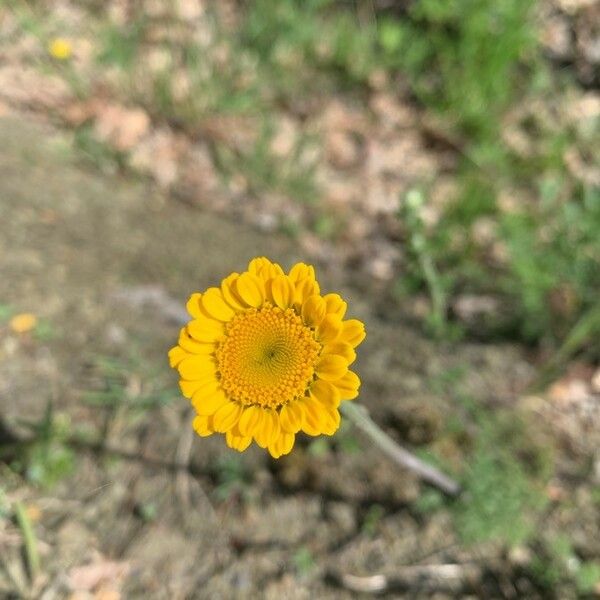
- 🌼 The Flower: Bright, daisy-like flower heads (about 1-2 inches wide) featuring golden-yellow "ray" petals surrounding a central dome of even tinier yellow florets.
- 🌿 The Foliage: Delicate, fern-like leaves that are deeply divided and aromatic. They often have a soft, silvery-green tint due to tiny hairs on the underside.
- 📏 The Habit: It grows in bushy, mounding clumps. If left unpruned, it can become somewhat "leggy" or floppy as the stems reach toward the sun.
🏡 In Your Garden
- ☀️ Thrives on Neglect: This plant actually prefers "lean" soil. If you plant it in soil that is too rich or use too much fertilizer, the plant will produce lots of leaves but very few of its signature golden flowers.
- ✂️ The Summer Haircut: To keep the plant looking tidy and to encourage a second flush of blooms, "deadhead" (remove) the spent flowers. In late summer, you can cut the entire plant back significantly to keep it from becoming woody.
- 🦋 Pollinator Magnet: It is an absolute favorite for hoverflies, bees, and small butterflies, making it an excellent choice for biodiversity-focused gardens.
⚠️ Safety & Toxicity
- 🌱 Skin Sensitivity: Like many members of the Aster family, Anthemis tinctoria can cause mild skin irritation or "contact dermatitis" in sensitive individuals. It is wise to wear gloves when pruning large amounts.
- 🐾 Pet Safety: While not specifically listed as highly toxic by the ASPCA, most chamomiles can cause vomiting or diarrhea in dogs and cats if ingested in large quantities.
- 🍵 Not for Tea: Unlike Matricaria chamomilla (German Chamomile), this species is primarily ornamental and industrial. It is not typically used for herbal teas and may have a bitter, unpleasant taste.
✨ Fun Fact
The specific epithet tinctoria comes from the Latin word for "dyeing." For centuries, the flower heads were boiled to create a potent, permanent yellow dye for textiles, long before synthetic colors were invented in labs.

Detailed Care Instructions








