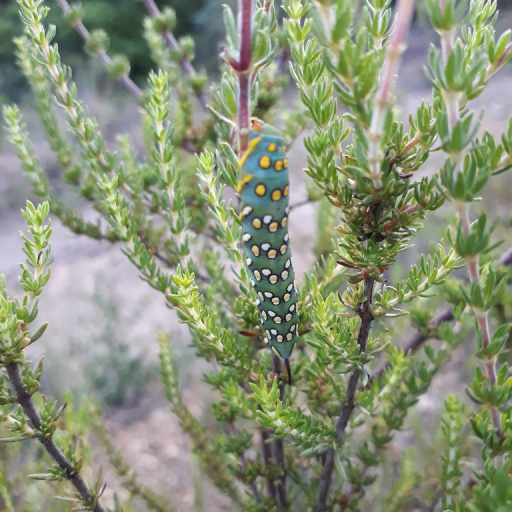
Plant Overview
Commonly known as the Amber-bush, this hardy South African native is a staple of the famous fynbos landscape. It gets its name from the subtle, golden-yellow hue the plant often takes on as its seeds mature, bathing the shrub in a warm glow. While it doesn't boast large, colorful petals, its architectural form and incredible resilience make it a favorite for water-wise gardeners looking for a touch of wild elegance.
🔍 How to Identify
- 🌿 Needle-like Foliage: The leaves are tiny, stiff, and needle-shaped, usually arranged in clusters or whorls along the stems, giving the plant a texture similar to heather.
- 🌬️ Petal-less Flowers: You won't find traditional blooms here; the flowers are tiny, greenish-yellow, and lack petals because they are designed to be pollinated by the wind rather than insects.
- 🏗️ Upright Structure: It grows as a dense, woody shrub that can reach up to 2 meters in height, often maintaining a neat, rounded or upright shape even in windy conditions.
🏡 In Your Garden
- 🌊 Coastal Warrior: This plant is exceptionally salt-tolerant and wind-resistant, making it an ideal choice for seaside gardens where salt spray often kills more delicate species.
- 🏜️ Tough Love Soil: It thrives in sandy, nutrient-poor soil. In fact, over-fertilizing or planting it in "rich" garden soil can actually cause the plant to become leggy and short-lived.
- 💧 Drought Specialist: Evolution in the Cape has taught it to survive on very little. Once established, it requires almost no supplemental watering, making it a "set-and-forget" hero for xeriscaping.
⚠️ Safety & Toxicity
- 🟢 Generally Safe: Anthospermum aethiopicum is not known to be toxic to humans or common household pets.
- 🧤 Skin Sensitivity: While not poisonous, the woody stems and stiff, needle-like leaves can be slightly scratchy. It is a good idea to wear gloves when pruning to avoid minor skin irritation or "gardeners' rash."
✨ Fun Fact
The genus name Anthospermum translates from Greek to "flower seed." Interestingly, it belongs to the Rubiaceae family, which means this rugged, wind-swept shrub is a very distant botanical cousin to the Coffee plant!

Detailed Care Instructions
To grow Anthospermum Aethiopicum plant, follow these steps:
- Obtain seeds or plant cuttings from a reputable nursery or seed supplier. Make sure the seeds or cuttings are fresh, as this will increase the chances of successful germination or rooting.
- Choose a suitable location for planting the Anthospermum Aethiopicum. It prefers partial shade or dappled sunlight, so select a spot that provides these conditions. The soil should be well-drained and enriched with organic matter.
- Prepare the planting area by loosening the soil and removing any weeds or rocks. Add compost or well-rotted manure to improve fertility and drainage.
- If using seeds, soak them in warm water for 24 hours before planting. This can help speed up germination. If using cuttings, dip the cut end in a rooting hormone to promote root development.
- Plant the seeds or cuttings in the prepared soil, ensuring they are spaced about 6-8 inches apart. If planting multiple plants, allow sufficient space for growth.
- Water the plants regularly, keeping the soil moist but not waterlogged. Anthospermum Aethiopicum prefers consistently moist soil.
- Mulch around the base of the plants to help retain moisture and suppress weed growth. Use organic materials such as straw or wood chips.
- Fertilize the plants every two to three months with a balanced, slow-release organic fertilizer. Follow the package instructions for dosage and application method.
- Prune the plants as needed to maintain their shape and promote bushier growth. Remove any dead or diseased branches to prevent the spread of diseases.
- Protect the plants from extreme temperatures, especially frost. If temperatures drop below freezing, cover the plants with a frost blanket or move them indoors temporarily.
- Anthospermum Aethiopicum plants can take several months to fully establish and produce flowers. Be patient and continue to care for the plants diligently.
Remember to research specific care requirements for Anthospermum Aethiopicum, as conditions may vary based on your location and climate.

Anthospermum Aethiopicum is a tropical plant that belongs to the Rubiaceae family. To effectively water this plant, follow the guidelines below:
1. Watering Frequency: Anthospermum Aethiopicum generally requires regular watering. Check the moisture level of the soil regularly, ensuring it remains consistently moist but not waterlogged. It is important to provide sufficient hydration to support healthy growth.
2. Soil Type: The ideal soil for Anthospermum Aethiopicum should be well-draining and rich in organic matter. This type of soil allows excess water to drain away while retaining enough moisture for the plant's roots.
3. Watering Method: When watering, avoid spraying water directly onto the foliage as this may promote the growth of fungal diseases. Instead, focus on watering the soil around the base of the plant, allowing the water to soak into the root zone.
4. Watering Conditions: While Anthospermum Aethiopicum prefers consistently moist soil, it is essential to prevent waterlogging. Ensure that the pot or container has drainage holes to allow excess water to escape. Standing water can lead to root rot and other problems.
5. Temperature and Humidity: Anthospermum Aethiopicum thrives in warm and humid conditions. Adjust your watering routine based on the ambient temperature and humidity levels. In hotter and drier environments, you may need to water more frequently to maintain adequate moisture.
6. Seasonal Changes: During the plant's active growing season, typically spring and summer, you may need to water more frequently. As colder months approach, reduce watering frequency as the plant enters a dormant period.
7. Observing the Plant: Regularly monitor the plant's overall health and appearance. Wilting or discolored leaves may indicate underwatering, while yellowing or drooping may indicate overwatering. Adjust your watering routine accordingly to maintain optimal moisture levels.
Remember, while the above guidelines provide general watering recommendations for Anthospermum Aethiopicum, it is essential to consider the specific conditions in which your plant is growing. Factors such as pot size, sunlight exposure, and local climate can influence the watering needs of the plant. It's always beneficial to observe your plant closely and make adjustments as needed.
Sure, here are the fertilizing instructions for Anthospermum Aethiopicum plant:
- Choose a well-balanced slow-release fertilizer with an N-P-K ratio of 10-10-10 or similar.
- Start fertilizing the Anthospermum Aethiopicum plant during the growing season, typically in spring or early summer.
- Dilute the fertilizer according to the package instructions. Usually, a tablespoon of fertilizer per gallon of water is recommended.
- Take care not to over-fertilize the plant, as it can lead to nutrient burn or damage. A general rule is to apply fertilizer every six to eight weeks during the growing season.
- Before applying the fertilizer, make sure the soil is moist but not saturated. Water the plant thoroughly a day or two before fertilizing.
- Gradually pour the diluted fertilizer onto the soil around the base of the plant, avoiding direct contact with the foliage.
- If using a liquid fertilizer, make sure to water the plant lightly after application to prevent fertilizer burn.
- Monitor the plant's response to fertilization. If you notice any signs of nutrient deficiency or excess (such as yellowing leaves or stunted growth), adjust the fertilization regimen accordingly.
- During periods of dormancy or reduced growth in winter, suspend fertilizer applications and resume in the next growing season.
- Regularly observe the plant and its growth patterns to determine if any adjustments to the fertilization routine are necessary.
Remember to follow these instructions as a general guideline and consider the specific needs and conditions of your Anthospermum Aethiopicum plant for optimal results.
Anthospermum aethiopicum, commonly known by various names such as Sowbread, Wild Coffee, and Ethiopian Coffee, is an evergreen plant that belongs to the Rubiaceae family. When it comes to choosing the right soil for this plant, there are a few key considerations to keep in mind:
- Well-Draining Soil: Anthospermum aethiopicum thrives in well-draining soil that allows excess water to pass through easily. It is important to avoid waterlogged soil, as it can lead to root rot and other moisture-related issues.
- Organic Matter: This plant prefers soil that is rich in organic matter. Incorporating compost, leaf mold, or well-rotted manure can provide the necessary nutrients and improve soil structure, allowing for better water retention and aeration.
- pH Levels: Anthospermum aethiopicum performs well in slightly acidic to neutral soil pH ranges between 6.0 and 7.0. Testing the soil's pH level can help determine if any amendments are needed to adjust the pH accordingly.
- Light and Loose Texture: The soil should have a light and loose texture, offering a good balance between water drainage and retention. This texture allows the roots to penetrate easily and helps with nutrient absorption.
- Vermiculite or Perlite: Mixing vermiculite or perlite into the soil can promote better drainage while also enhancing aeration. It helps to prevent compaction and facilitates the movement of air and water around the roots.
- Sandy Loam or Loamy Soil: Anthospermum aethiopicum generally grows well in sandy loam or loamy soil. These soil types provide a good balance between drainage and water retention, ensuring the plant's roots receive adequate moisture without being saturated.
- Mulching: Applying a layer of organic mulch around the base of the plant can help maintain soil moisture levels, suppress weed growth, and provide insulation during extreme temperatures.
Remember, it is always advisable to observe the specific needs of Anthospermum aethiopicum, including its natural habitat and requirements, to ensure optimal growth and health of the plant.
To propagate Anthospermum Aethiopicum plant, you can follow these steps:
- Select Healthy Plant: Choose a healthy and mature Anthospermum Aethiopicum plant as the parent plant for propagation. Look for a plant with vigorous growth, disease-free leaves, and strong stems.
- Prepare the Parent Plant: Before you begin propagation, ensure that the parent plant is well-watered and in good health. This will help increase the chances of successful propagation.
- Propagation by Stem Cuttings: Take stem cuttings from the parent plant. Ideally, select a non-flowering stem with several nodes. Nodes are the points where leaves emerge from the stem. Cut just below a node, ensuring the cutting is around 4-6 inches long.
- Remove Lower Leaves: Trim off the lower leaves of the stem cutting, leaving only a few leaves at the top intact. This reduces water loss and redirects the plant's energy towards root development.
- Hormone Application (Optional): You may choose to dip the cut end of the stem cutting in a rooting hormone powder or gel. This can enhance the rooting process and increase the success rate of propagation. However, it is not necessary and the plant can still root without the hormone.
- Potting Mix: Prepare a well-draining potting mix using a combination of potting soil, perlite, and organic matter such as compost or peat moss. Fill a small pot or tray with this mix.
- Planting the Cuttings: Make a hole in the potting mix and insert the stem cutting into it, ensuring that at least one or two nodes are buried below the surface. Gently press the soil around the cutting to provide stability.
- Provide Ideal Conditions: Place the pot/tray with the cuttings in a warm and humid environment, preferably under indirect sunlight. Avoid direct sunlight as it may scorch the young cuttings. Maintain the humidity by covering the pot or tray with a glass jar or a plastic bag to create a mini greenhouse effect.
- Watering: Keep the potting mix consistently moist, but not waterlogged. Avoid overwatering, as excessive moisture can cause stem rot. A misting spray can be used to keep the humidity levels high.
- Root Formation: After a few weeks, check for root formation by gently tugging on the stem cutting. If you feel resistance, it indicates that roots have developed.
- Transplanting: Once the roots have formed, carefully transplant the rooted cuttings into individual pots filled with well-draining potting mix. Provide regular watering and gradually expose the plants to more sunlight.
By following these steps, you can successfully propagate the Anthospermum Aethiopicum plant and propagate multiple new plants from a single parent plant.








