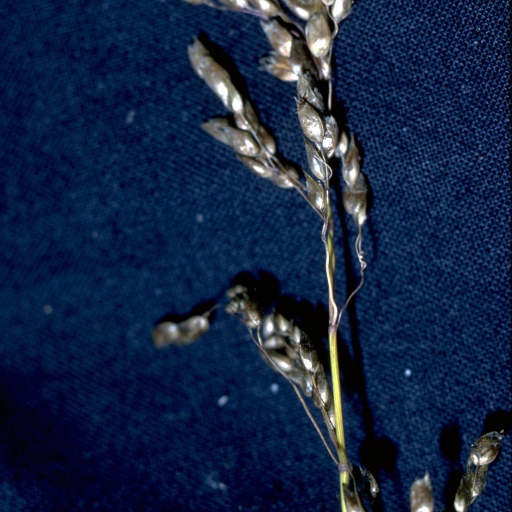
Plant Overview
Known as "Sweet Grass" or "Holy Grass," Anthoxanthum nitens is one of the most beloved wild grasses in the Northern Hemisphere. It is famous for its intoxicating scent of fresh vanilla and warm hay, which intensifies as the leaves dry. For centuries, it has been woven into sacred braids by Indigenous peoples in North America and strewn across church doorsteps in Europe during saints' days to perfume the air.
🔍 How to Identify
- 🌾 Glossy Leaves: The blades are flat and remarkably shiny on the underside, often showing a distinct purple or reddish tint at the very base of the stem.
- 🌾 Golden Seed Heads: In late spring, it produces delicate, pyramid-shaped clusters of bronze or golden-brown spikelets that shimmer in the sunlight.
- 👃 The Scent Test: If you crush a leaf, it should emit a strong, sweet aroma similar to vanilla or woodruff, thanks to a natural compound called coumarin.
🏡 In Your Garden
- 💧 Wet Feet Welcome: Unlike many ornamental grasses that prefer dry soil, Sweet Grass thrives in moist, boggy, or even marshy conditions. It is a perfect choice for the edge of a pond or a low-spot in your yard that stays damp.
- 🏃 A Fast Traveler: This plant spreads via underground runners (rhizomes). While it isn't "invasive" in the ecological sense, it can quickly take over a small flower bed, so many gardeners prefer to grow it in large containers or sunken tubs to keep it contained.
⚠️ Safety & Toxicity
- ✅ General Safety: This plant is non-toxic to touch and is widely used in incense and basketry.
- 🐾 Pet & Human Caution: While the scent is pleasant, the plant contains coumarin, which can act as a blood thinner if ingested in large quantities. It is generally safe for pets to sniff, but grazing should be discouraged, and it should not be consumed as a food source by humans without expert guidance.
✨ Fun Fact
The name "Holy Grass" comes from a Northern European tradition where the grass was scattered in front of church doors so that a sweet, heavenly fragrance would rise into the air whenever parishioners stepped on it.

Detailed Care Instructions
Anthoxanthum nitens, also known as vanilla grass, is a low-maintenance plant that thrives in well-draining soil and full to partial sunlight. To grow Anthoxanthum nitens successfully, follow these steps:
- Start by selecting a location with well-draining soil and adequate sunlight for your Anthoxanthum nitens plant.
- Plant the seeds or seedlings in the spring after the last frost has passed. Ensure that the soil is moist but not waterlogged.
- Water the plant regularly, keeping the soil consistently moist but not waterlogged. Anthoxanthum nitens prefers slightly acidic soil, so you may need to adjust the pH levels if necessary.
- Fertilize the plant every few weeks during the growing season with a balanced fertilizer to encourage healthy growth.
- Mulch around the base of the plant to help retain moisture and prevent weed growth.
- Prune the plant as needed to maintain its shape and remove any dead or damaged growth.
- Keep an eye out for pests and diseases, and treat as needed with insecticidal soap or organic pesticides.
With proper care and attention, your Anthoxanthum nitens plant should thrive and grow well in your garden.

Place in a window with dappled sun or a spot in the middle of a room. Or directly in a window facing west or east.

Anthoxanthum Nitens plants should be watered consistently, ensuring that the soil remains consistently moist but not waterlogged. Watering frequency will depend on factors such as air temperature, humidity levels, and the type of soil the plant is growing in. It is important to avoid letting the soil dry out completely between waterings, as this can cause stress to the plant. When watering, be sure to thoroughly saturate the soil to encourage deep root growth. Additionally, it is recommended to water the plant in the morning or evening to prevent evaporation and minimize water loss. Overwatering should be avoided, as this can lead to root rot and other issues. Regularly check the soil moisture levels by sticking your finger into the soil up to the first knuckle to determine if watering is needed.
To fertilize Anthoxanthum Nitens, use a balanced fertilizer with a ratio of 10-10-10. Apply the fertilizer in early spring before the plant begins actively growing. Spread the fertilizer evenly over the soil around the base of the plant, following the recommended dosage on the fertilizer package. Water the plant well after fertilizing to help the nutrients penetrate the soil and reach the plant's roots. Repeat this fertilization process once or twice more during the growing season, spacing out applications by 6-8 weeks. Avoid over-fertilizing, as this can harm the plant.
Anthoxanthum Nitens plant thrives in well-draining soil that is rich in organic matter. A sandy loam or loamy soil with a slightly acidic to neutral pH level is ideal for this plant. Avoid heavy clay soils, as they can lead to poor drainage and root rot. Additionally, a soil mix with a good balance of nutrients will help promote healthy growth and flowering in Anthoxanthum Nitens. Consider adding compost or aged manure to the soil to improve its fertility and overall health for the plant. Proper soil preparation is crucial for the growth and development of Anthoxanthum Nitens.
Anthraxanthum Nitens plants can be propagated through division. To do this, carefully dig up the plant and separate the clumps of roots into smaller sections, ensuring each section has a good amount of roots and foliage. Replant the sections in a well-draining soil mix and water them thoroughly. Keep the newly divided plants well-watered and in a shady spot until they establish themselves. With proper care, the divided Anthrathum Nitens plants should thrive and grow into full-sized plants.
Common pests of the holy grass include Thrips. Make a habit of checking your holy grass frequently for pests so that any infestations can be caught and managed early.








