Plant Overview
Known as the Jupiter’s Beard or Silver Bush, this shimmering Mediterranean shrub looks as though it was dipped in liquid moonlight. Traditionally found clinging to the rocky cliffs of the Mediterranean coast, it is a "pioneer" plant that thrives in the harshest seaside conditions. Its name comes from the silky, silver-white hairs that cover its leaves, resembling the legendary beard of the Roman king of gods.
🔍 How to Identify
- 🌿 Silvery Foliage: The leaves are divided into several small leaflets, all densely covered in fine, silky hairs that give the plant its signature metallic, silver-gray sheen.
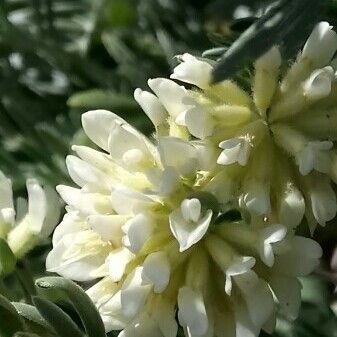
- 🌼 Creamy Pea-Flowers: In late spring, it produces dense, clover-like clusters of pale yellow or cream-colored flowers at the ends of its branches.
- 📏 Upright Habit: It grows as a neat, rounded evergreen shrub, typically reaching about 3 to 5 feet in height, with a woody base and soft, flexible upper stems.
🏡 In Your Garden
- 🌊 Seaside Specialist: Because it evolved on coastal cliffs, this plant is incredibly resistant to salt spray and high winds, making it the perfect choice for frontline coastal gardens where other plants might wither.
- ☀️ The Drainage Rule: It hates "wet feet" more than almost anything else. To keep it happy, use poor, sandy, or gravelly soil; if the soil is too rich or stays damp, the plant may lose its compact shape or suffer from root rot.
- ✂️ Light Pruning: It responds well to a light trim after flowering to maintain its bushy shape, but avoid cutting back into the very old, thick wood, as it may struggle to regrow from those points.
⚠️ Safety & Toxicity
- ✅ Generally Safe: Anthyllis barba-jovis is not considered toxic to humans or common household pets like dogs and cats.
- 🐾 Mild Caution: While safe, it belongs to the legume family; as with any ornamental plant, it is best to discourage curious pets or toddlers from grazing on the foliage to avoid minor stomach upset.
✨ Fun Fact
The specific epithet barba-jovis literally translates from Latin as "Beard of Jove" (Jupiter). In ancient times, it was believed that planting this silver shrub near a home would protect the household from lightning strikes, as Jupiter was the god of the sky and thunder!

Detailed Care Instructions
To grow Anthyllis barba-jovis, also known as the Jupiter's Beard plant or Caput Jovis, follow these steps:
- Climate and soil requirements: Anthyllis barba-jovis thrives in full sun to partial shade and prefers well-drained soil. Ensure the soil is fertile and contains organic matter.
- Propagation: This plant can be propagated through seeds or by taking cuttings from its stems. If using seeds, sow them directly into the soil after the last frost date. If using cuttings, take 4-6 inch stem cuttings from a healthy plant and plant them in a well-draining rooting medium.
- Planting: Dig a hole in the soil that is slightly larger than the root ball. Place the plant in the hole so that the top of the root ball is level with the soil surface. Backfill the hole with soil, gently firming it around the plant.
- Watering: Water the newly planted Anthyllis barba-jovis thoroughly after planting to settle the soil. Water regularly to keep the soil moist but not waterlogged. Reduce watering during the plant's dormant period in winter.
- Fertilization: Apply a balanced, slow-release fertilizer in spring and early summer to encourage healthy growth. Follow the package instructions for proper application rates.
- Pruning: Prune Anthyllis barba-jovis after flowering to maintain its shape. Cut back any dead or damaged branches to promote new growth. It's important to note that this plant has a relatively short lifespan (around 3-5 years) and can become woody and unattractive over time. Consider replacing the plant after its lifespan is over.
- Pests and diseases: Anthyllis barba-jovis is generally resistant to pests and diseases. However, keep an eye out for aphids, mealybugs, or powdery mildew. If you notice any issues, treat them accordingly using organic or chemical methods.
Remember to research specific care requirements for your specific location and to consult with local gardening experts if needed.
To water this particular type of plant, you should slightly dampen the soil around it. Be sure not to overwater or underwater, as both can be detrimental to its health. You can also mist the leaves occasionally to provide some additional moisture. It's important to monitor the plant's moisture levels regularly and adjust your watering schedule as needed based on its specific environment and conditions.
To ensure proper fertilization for the Anthyllis Barba-jovis plant, follow these instructions:
- Start fertilizing the plant when it reaches the growing season, typically in spring or early summer.
- Choose a balanced, slow-release granular fertilizer specifically formulated for flowering plants.
- Sprinkle the fertilizer evenly around the base of the plant, taking care not to let it touch the stems or leaves.
- Gently work the fertilizer into the topsoil using a small garden fork or hand trowel.
- Water the plant thoroughly after fertilizing, allowing the nutrients to reach the roots.
- Repeat the fertilization process every four to six weeks throughout the growing season, but avoid over-fertilizing as it can harm the plant.
- During winter months or when the plant is dormant, refrain from fertilizing, as it doesn't require additional nutrients during this time.
Remember to always refer to the instructions provided on the fertilizer packaging for specific application rates and guidelines.
Anthyllis Barba-jovis plant thrives in well-draining soil that is slightly alkaline and has a pH level between 6.5-8.5. It is recommended to use a soil mix that is made up of loam, sand, and gravel in a 2:1:1 ratio. The loam provides nutrients while the sand and gravel provide drainage. Adding organic matter such as compost or peat moss can also improve the soil's quality and help retain moisture. It is important to avoid heavy or compacted soil as it can lead to root rot and stunted growth.
To propagate Anthyllis Barba-jovis plants, you can follow these steps:
- First, choose a healthy parent plant from which you want to propagate. Ensure that the parent plant is disease-free and shows vigorous growth.
- Take a cutting from the parent plant during the growing season, which is usually in spring or early summer. Use clean and sharp gardening shears or a knife to make a clean cut just below a leaf node.
- Remove any leaves from the lower half of the cutting, as these can rot when placed in a propagation medium.
- Prepare a well-draining propagation medium. You can use a mix of equal parts perlite and peat moss or a commercial seed-starting mix. Moisten the medium slightly before inserting the cutting.
- Dip the cut end of the cutting in a rooting hormone powder or gel to enhance the chances of successful rooting. This step is optional but can increase success rates.
- Make a hole in the prepared propagation medium using a pencil or your finger, and gently insert the cutting into the hole until it stands upright. Firmly press the medium around the cutting to ensure good contact.
- Place the cutting in an area that receives bright and indirect sunlight. Avoid exposing it to direct sunlight, as this can cause excessive drying or scorching.
- Maintain a consistent level of moisture in the propagation medium. Check regularly and mist lightly with water if needed. Avoid overwatering, as this can lead to rotting.
- After a few weeks, you should start to see new growth emerging from the cutting, indicating successful root development. This can take anywhere from 2-8 weeks depending on environmental conditions.
- Once the roots are well-established, you can transplant the rooted cutting into a larger pot or directly into the garden. Ensure the new soil is well-draining and provide regular watering until the plant becomes established.
By following these steps, you can successfully propagate Anthyllis Barba-jovis plants and continue to enjoy their unique beauty in your garden.








