Plant Overview
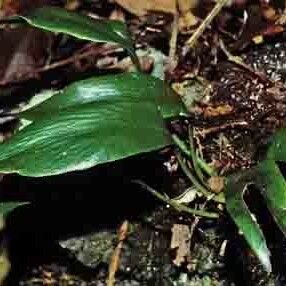
Often called the Ox-tongue or Ribbon Fern, this Southeast Asian native defies the traditional "frilly" fern look. Instead of lacy, delicate foliage, it produces sleek, leathery straps that hang gracefully from mossy tree trunks or limestone cliffs. It is a prized choice for advanced terrarium hobbyists seeking a touch of prehistoric, tropical elegance.
🔍 How to Identify
- 🌿 The Fronds: Long, tapering, strap-shaped leaves that can reach up to 12 inches. They are notably thick and leathery, feeling more like a succulent than a typical fern.
- 🕸️ Net-Like Veins: Unlike most ferns, it lacks a prominent central midrib. Instead, it features a complex, net-like (reticulate) vein pattern visible when held up to the light.
- 🖋️ Sunken Sori: On the underside of the leaf, the spores are tucked away in long, wavy, sunken grooves that follow the vein lines, looking almost like scribbled calligraphy.
🏡 In Your Garden
- 🪵 The Epiphytic Lifestyle: In nature, this fern is an "air plant" that lives on trees or rocks. It hates being buried in heavy potting soil; instead, it thrives when mounted on cork bark or tucked into a very chunky, airy orchid mix.
- ☁️ Humidity Enthusiast: Because it doesn't have a deep root system to store water, it relies on high ambient humidity. It is best suited for a "glass box" environment like a wardian case or a humid bathroom where it won't dry out.
⚠️ Safety & Toxicity
- 🐾 Pet Friendly: The Ribbon Fern is generally considered non-toxic to cats and dogs, making it a "green light" plant for households with curious pets.
- 👶 Gentle Nature: It lacks thorns, irritants, or toxic saps. While not edible, it poses no significant risk to children or sensitive skin.
✨ Fun Fact
The genus name Antrophyum is derived from the Greek word antron, meaning "cave." This refers to the "cavernous" or sunken grooves on the back of the leaves where the plant protects its developing spores.

Detailed Care Instructions

Place in a dark room with little light, like a dark bedroom or a spot far away from a window or directly in a north-facing window.

Water-loving plants flourish in wet or sloppy soil and near ponds. The extensive root system enables these plants to absorb plenty of water. The surface of the soil should be kept moist at all times. Place your pot in a container filled with water to guarantee that plants get enough water. If the ground becomes dry, it is recommended that you water it well. Plants in smaller pots will need to be watered more frequently. Water the soil in which the plant is standing thoroughly using a watering can.








