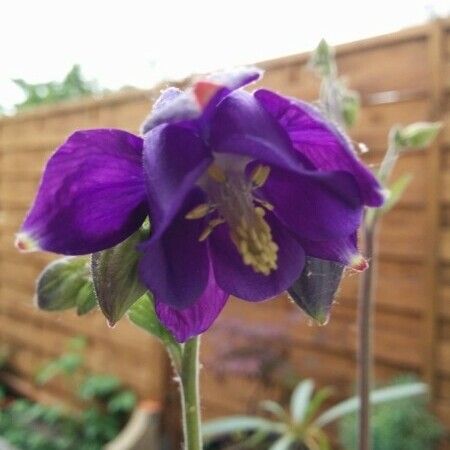
Plant Overview
Known as Reuter's Columbine, this rare alpine treasure hails from the rocky slopes of the Southwestern Alps. With its nodding, bonnet-like blooms and ethereal violet-blue hues, it looks like a piece of the mountain sky has descended into the garden. It is a prized find for enthusiasts who appreciate the delicate, airy architecture of high-altitude flora.
🔍 How to Identify
- 🌸 The Blooms: Features striking, bell-shaped flowers in shades of deep blue to violet. The most identifying feature is the long "spurs" projecting from the back of the flower, which curve slightly inward.
- 🌿 The Foliage: Soft, blue-green leaves that are deeply lobed and divided, resembling the texture of a maidenhair fern. They form a tidy mound at the base of the plant.
- 📏 The Stature: Typically grows to about 30–50 cm in height, with slender, wiry stems that give the flowers a "floating" appearance above the leaves.
🏡 In Your Garden
- 🏔️ Alpine Aspirations: Because it is a mountain native, this plant craves excellent drainage. It thrives in gritty or rocky soil and is a perfect candidate for a rock garden where water won't settle around its crown.
- 🌤️ Keep it Cool: It prefers partial shade, especially in the afternoon. It struggles in intense humidity or sweltering heat, preferring the "cool feet" provided by mulch or surrounding stones.
- 🚫 The Taproot Trap: Like most Columbines, it develops a deep taproot. This makes it very drought-tolerant once established, but it also means it hates being moved. Choose its "forever home" carefully!
⚠️ Safety & Toxicity
- 🐾 Pet Warning: All parts of the Aquilegia family are considered toxic to dogs, cats, and horses. They contain compounds that can cause gastrointestinal distress or heart palpitations if ingested.
- 👶 Human Safety: The seeds and roots are the most concentrated sources of toxins. Keep this plant away from curious children who might be tempted by the "nectar" in the spurs.
- 🧤 Skin Irritation: The sap can cause mild dermatitis in sensitive individuals. It is best to wear gloves when pruning or deadheading the spent blooms.
✨ Fun Fact
The genus name Aquilegia is derived from the Latin word aquila, meaning "eagle." If you look closely at the flower's spurs, they are said to resemble the five talons of an eagle’s claw!

Detailed Care Instructions








