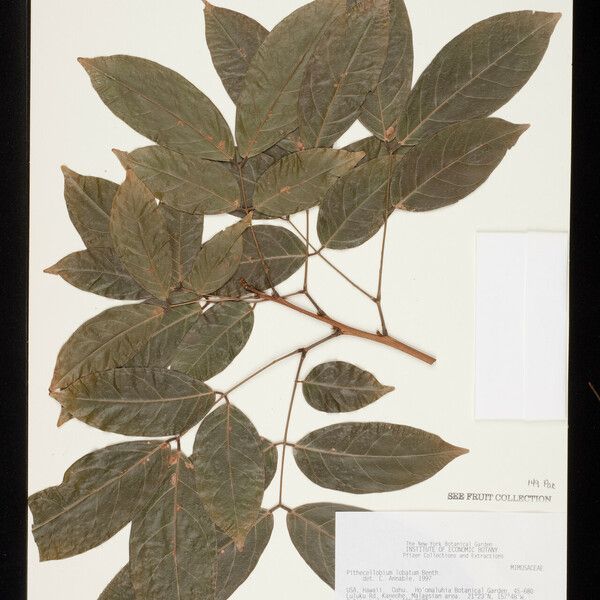
Plant Overview
Known famously as the Jengkol or Dogfruit, this Southeast Asian native is a tree of contradictions. While it produces a bean that is a beloved culinary delicacy in Indonesia and Malaysia, it is equally notorious for its pungent, "garlicky" aroma that lingers long after a meal. In its natural habitat, it stands as a majestic canopy tree, providing shade and enriching the soil with nitrogen.
🔍 How to Identify
- 🫛 The Pods: Look for thick, woody, deep purple to dark brown pods. They are uniquely shaped, often twisting or spiraling into a circular form as they ripen.
- 🌰 The Seeds: Inside the pods are large, flattened, disc-like seeds. They have a tough, reddish-brown skin and a pale, firm interior that softens when cooked.
- 🍃 The Foliage: The tree features large, glossy green leaves that are bipinnate (divided twice), giving the branches a lush, feathery appearance.
- 🌸 The Flowers: It produces small, creamy-white or yellowish clusters of flowers with long, thread-like stamens that look like tiny bursts of silk.
🏡 In Your Garden
- 🌳 Space Requirements: This is a true giant, capable of reaching heights of 20 meters. It is not suitable for small backyards or pots; it needs a wide, open space in a tropical or subtropical climate.
- 💧 Hydration & Soil: It thrives in humid, lowland areas and loves "wet feet," often found naturally near riverbanks. It prefers acidic, well-draining soil but is hardy enough to handle seasonal flooding.
- 🌱 Root Sensitivity: Like many members of the legume family, it develops a deep taproot. It hates being moved, so "transplant shock" is a high risk if you try to relocate an established sapling.
⚠️ Safety & Toxicity
- ⚠️ Chemical Warning: The seeds contain djenkolic acid, an amino acid that can be toxic if consumed improperly.
- 🩸 Jengkolism: If eaten raw or in excessive amounts, the acid can form sharp crystals in the kidneys or urinary tract, causing a painful condition known as "Jengkolism." Always boil or ferment the seeds thoroughly to reduce risk.
- 🐾 Pets & Kids: The seeds and pods should be kept away from pets. The high sulfur and acid content can cause digestive distress or more serious kidney issues in small animals.
✨ Fun Fact
The smell of Jengkol is so powerful because of its high sulfur content—the same compound found in garlic and onions. In Southeast Asian folklore, it is often joked that if you eat Jengkol for dinner, your neighbors three houses away will know exactly what you had by the next morning!

Detailed Care Instructions
To grow Archidendron jiringa (also known as Jengkol) plant, you can follow these steps:
- Obtain seeds or a young seedling from a nursery or reputable online seller. Make sure the plant is healthy and disease-free.
- Choose a suitable location: Archidendron jiringa prefers a warm and humid climate, so ensure you live in an area with such conditions or consider growing it indoors in a greenhouse or a sunny windowsill.
- Prepare the soil: The plant thrives in well-drained soil that is rich in organic matter. Amend the soil by adding compost or organic matter to improve its fertility and drainage.
- Planting: Dig a hole that is large enough to accommodate the plant's root system. Place the seedling or seeds in the hole and cover with soil, ensuring that the crown is level with the soil surface.
- Watering: Water the plant immediately after planting and keep the soil consistently moist, but not waterlogged. The plant requires regular watering, especially during dry periods.
- Provide shade: Protect young plants from direct sunlight by providing shade or placing them in a partially shaded area.
- Fertilization: Feed the plant with a balanced slow-release fertilizer once every two to three months during the growing season. Follow the package instructions for the appropriate amount.
- Pruning: Prune the plant to maintain its shape and remove any dead or diseased branches. This will also help promote new growth and keep the plant healthy.
- Protect from pests: Check for pests such as aphids, caterpillars, or mealybugs regularly and take appropriate measures to control them, such as spraying insecticidal soap or neem oil.
- Harvesting: The Archidendron jiringa tree takes several years to start producing edible fruit. The fruits are ready for harvest when the pods turn brown and split open naturally. Harvest the pods carefully, as they contain sticky sap. Rinse them thoroughly before cooking or consuming.
Remember that growing plants can vary depending on your specific climate and growing conditions. It's always best to research and adapt these general guidelines to suit your specific circumstances.
To correctly water the Archidendron Jiringa plant, it is essential to follow these guidelines:
- Determine the soil moisture: Before watering, determine if the plant requires watering by checking the moisture level of the soil. It is recommended to use a moisture meter or insert your finger about an inch into the soil to assess its dryness.
- Optimal watering frequency: The watering frequency can vary depending on factors such as climate, pot size, and soil type. However, a general guideline is to water the plant whenever the top inch of soil feels dry to the touch. Avoid overwatering, as it can lead to root rot and other problems.
- Watering technique: When watering the plant, use a gentle and steady stream of water to moisten the soil evenly. Avoid using a high-pressure nozzle, as it may disturb the plant's root system. Direct the water towards the base of the plant, allowing it to penetrate the soil.
- Deep watering: Ensure that the water reaches the plant's root zone by practicing deep watering. This involves providing enough water to saturate the entire root system. To achieve this, water until you see excess water coming out of the drainage holes at the bottom of the pot.
- Avoid waterlogging: Make sure that the pot has proper drainage holes to allow excess water to escape. Discard any standing water accumulated in saucers or trays as it can lead to waterlogging, which can cause root rot and damage the plant.
- Consider the environment: Take into account the plant's surroundings and adjust the watering routine accordingly. Factors such as temperature, humidity levels, and exposure to sunlight can affect the water requirements of the Archidendron Jiringa plant. Increase watering during hotter and drier conditions and reduce it during colder or more humid periods.
- Monitor the plant's response: Observe the plant's overall health and growth. If the leaves appear droopy, limp, or discolored, it might indicate over or under-watering. Adjust the watering frequency accordingly based on the plant's needs.
Remember that these are general guidelines. It is important to understand the specific requirements of your Archidendron Jiringa plant, observe its behavior, and fine-tune your watering routine accordingly.
To fertilize Archidendron Jiringa plant, follow these instructions:
- Choose a balanced, slow-release fertilizer with an NPK ratio of around 10-10-10. This means the fertilizer contains equal parts of nitrogen (N), phosphorus (P), and potassium (K).
- Dilute the fertilizer according to the package instructions. Typically, this involves mixing a specified amount of fertilizer with water in a watering can or sprayer.
- Water the plant thoroughly before applying fertilizer. This ensures that the soil is moist and ready to receive the nutrients.
- Carefully pour the diluted fertilizer around the base of the plant, ensuring that it reaches the root zone. Avoid getting fertilizer on the leaves as it may cause burns or damage.
- Use the recommended frequency for fertilization, which is usually once every 4-6 weeks during the growing season (spring and summer). However, always refer to the specific instructions on the fertilizer package for guidance.
- Monitor the plant's response to the fertilizer. If the leaves appear burnt or the plant shows signs of nutrient deficiency (e.g., yellowing leaves), reduce the amount or frequency of fertilizer application. Conversely, if the plant looks healthy and vibrant, continue with the recommended fertilization schedule.
- Water the plant after fertilizing to ensure the nutrients are absorbed properly into the soil.
Remember that different plants may have specific nutrient requirements, so it is always best to consult the specific needs of the Archidendron Jiringa plant for optimal results.
The ideal soil for Archidendron jiringa plant is a well-draining and nutrient-rich soil mix. It should be slightly acidic to neutral in pH, ranging between 6.0 to 7.0. The soil should have good water retention capacity, allowing for proper moisture levels without becoming waterlogged.
A suitable soil mix can consist of a combination of organic matter such as compost or well-rotted manure, along with a well-balanced potting mix or loamy soil. Adding perlite or coarse sand to the soil mixture can enhance drainage and prevent waterlogging.
The soil should be loose and friable to promote root development and allow for proper aeration. It should have good water-holding capacity to prevent excessive drying out between watering.
Additionally, adding a slow-release fertilizer or organic matter to the soil mix during planting can provide essential nutrients for the plant's growth and development. Regular fertilization during the growing season can also be beneficial for the Archidendron jiringa plant.
It is important to ensure that the soil is free from any contaminants, pests, or diseases that may harm the plant's health. Regularly inspecting and maintaining the soil, removing any weeds or debris, can help maintain a healthy environment for the Archidendron jiringa plant to thrive.
To propagate Archidendron Jiringa plants, you can follow these steps:
- Collect Seeds: Obtain fresh seeds from a mature Archidendron Jiringa tree. These seeds are typically contained within a pod or fruit.
- Seed Preparation: Soak the seeds in water for 24-48 hours to facilitate germination. While soaking, change the water every 12 hours to prevent the growth of harmful microorganisms.
- Seed Germination: Fill a small seed tray or container with a well-draining potting mix. Plant the soaked seeds about 1 cm deep in the soil and lightly cover them.
- Ideal Conditions: Place the seed tray in a warm and humid environment, as Archidendron Jiringa plants prefer a tropical climate. Maintain a temperature of around 25-30 degrees Celsius (77-86 degrees Fahrenheit) and provide indirect sunlight.
- Watering: Keep the soil moist but not waterlogged. To avoid overwatering, allow the top layer of soil to dry out slightly before watering again.
- Germination Time: Germination may take anywhere from 2 to 8 weeks. Be patient and monitor the progress regularly.
- Transplanting: Once the seedlings have developed a few pairs of true leaves and are approximately 10-15 cm (4-6 inches) tall, they can be transplanted into individual pots filled with a well-draining potting mix.
- Pot Selection: Select pots with drainage holes to prevent waterlogged soil. Use pots that are slightly larger than the seedlings' root system to allow for growth.
- Soil Condition: Use a well-draining potting mix composed of a combination of organic materials and perlite or sand. This helps ensure proper drainage and prevents root rot.
- Placement: Place the potted seedlings in a spot that receives bright, indirect sunlight. Adjust the temperature to a range of 20-25 degrees Celsius (68-77 degrees Fahrenheit).
- Watering and Fertilizing: Provide regular watering, ensuring the soil remains consistently moist. Fertilize the plants every 2-4 weeks during the growing season with a balanced and diluted liquid fertilizer.
- Growth and Maintenance: Monitor the growth of your Archidendron Jiringa plants, ensuring they receive adequate sunlight and water. Prune any dead or damaged branches to promote healthy growth.
By following these steps, you can successfully propagate Archidendron Jiringa plants from seeds and create new individuals of this species.








