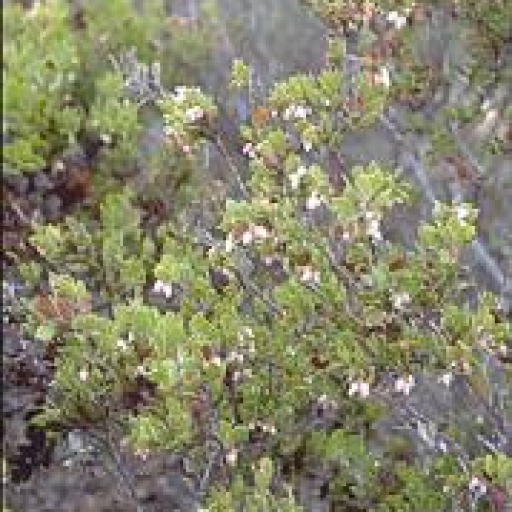
Plant Overview
Known affectionately as the Ione Manzanita, this rare California native is a true "specialist" of the plant world. It is found naturally in only one tiny corner of the globe—the Ione formation in the Sierra Nevada foothills—where it thrives in acidic, nutrient-poor soils that would wither most other species. With its twisted, mahogany-colored stems and petite, vibrant leaves, it looks like a naturally occurring bonsai tree.
🔍 How to Identify
- 🍃 The Foliage: Unlike many of its cousins with large, leathery leaves, this species has tiny, bright green, lance-shaped leaves that resemble those of a Myrtle tree (hence the name myrtifolia).
- 🍷 The Bark: It features the iconic Manzanita "skin"—smooth, polished bark that ranges from a deep cherry red to a rich chocolate brown.
- 🔔 The Blooms: In late winter or early spring, it produces clusters of delicate, white-to-pink, urn-shaped flowers that hang like tiny porcelain bells.
🏡 In Your Garden
- 🧪 Soil Specialist: This plant is an "acid-lover" to the extreme. In a garden setting, it requires exceptionally well-draining, acidic soil; it will struggle or die in typical potting mix or alkaline clay.
- 💧 Water Sensitivity: It is highly susceptible to root rot (Phytophthora). Once established, it prefers to be left alone with almost no summer water, mimicking the harsh, dry California summers it evolved to survive.
- 🛑 Conservation Note: Because it is a rare and protected species in the wild, always ensure you are purchasing from a certified native plant nursery rather than collecting from the wild.
⚠️ Safety & Toxicity
- ✅ Status: Non-toxic and safe.
- 🐾 Details: Like most Manzanitas, Arctostaphylos myrtifolia is not known to be toxic to dogs, cats, or humans. While the berries of some Manzanita species were historically used to make "cider" by Indigenous groups, this specific plant is so rare that it is best left untouched for the local pollinators.
✨ Fun Fact
🌱 The Ione Manzanita is an "obligate seeder," meaning it cannot resprout from its base after a fire. Instead, it relies entirely on a massive "seed bank" hidden in the soil, which waits for the heat of a wildfire to trigger a mass germination of new babies!

Detailed Care Instructions
To grow Arctostaphylos Myrtifolia, also known as the Iwaniwala Manzanita or Island Manzanita, you can follow these steps:
- Choose the right location: Arctostaphylos Myrtifolia prefers full sun to partial shade and well-draining soil. Make sure the spot you choose has good air circulation to prevent the plant from getting too humid.
- Prepare the soil: This plant tolerates various soil types but prefers sandy or loamy soil that is slightly acidic. Amend the soil with organic matter and ensure good drainage.
- Planting: Dig a hole that is slightly larger than the root ball of the plant. Place the plant in the hole, making sure it is upright, and backfill with soil. Gently firm the soil around the plant and water it thoroughly.
- Watering: Water the Arctostaphylos Myrtifolia regularly, especially during the first year of growth. Keep the soil moist but not waterlogged. Once established, the plant is drought-tolerant and requires less frequent watering.
- Mulching: Apply a layer of organic mulch around the plant to help conserve soil moisture, suppress weeds, and insulate the roots.
- Pruning: Prune your Arctostaphylos Myrtifolia minimally to maintain its shape and remove any dead or diseased branches. Avoid excessive pruning, as this plant has a naturally attractive and open form.
- Fertilizing: Arctostaphylos Myrtifolia doesn't require heavy fertilization. However, you can apply a balanced organic fertilizer in early spring to promote healthy growth.
- Propagation: You can propagate this plant by collecting seeds or taking semi-hardwood cuttings in late summer or early fall. Treat the cuttings with rooting hormone and plant them in a well-draining propagation mix.
- Pests and diseases: Arctostaphylos Myrtifolia is generally resistant to pests and diseases. However, keep an eye out for aphids, spider mites, or powdery mildew. Treat any infestations promptly using organic pest control methods.
- Native habitat considerations: Arctostaphylos Myrtifolia is endemic to the Channel Islands of California. If you live in a region outside of its native range, ensure that the climate is suitable for its growth and that it won't become invasive. Check with local authorities or native plant societies for guidance.
Remember, it's crucial to do your research and adapt these instructions based on your specific location, climate, and soil conditions.

Place in a bright room that is sun drenched almost all day. Or directly in a south-facing window.

To water this plant, it is important to take into consideration its soil requirements. It prefers well-draining soil and does not tolerate standing water. The best way to water this plant is to give it a deep soak once a week during the growing season, and reduce watering during the dormant season.
Before watering, it is important to check the soil moisture level by sticking a finger into the soil up to the second knuckle. If it feels dry, water the plant. If it feels moist, hold off on watering for a few days.
When watering, it is best to use a drip or soaker hose, and water around the roots rather than the foliage. Avoid getting water on the foliage, especially during the evening, as this can increase the risk of fungal diseases.
It is also important to note that this plant is drought-tolerant once established, so it is better to underwater than overwater. Overwatering can lead to root rot and other plant health issues.
To fertilize this plant, you should use a balanced fertilizer with a 10-10-10 ratio. Apply the fertilizer in the spring and fall, using a slow-release formula. Be sure to water the plant thoroughly after fertilizing. Avoid fertilizing during the hot summer months or during times of drought.
The ideal soil for this plant is a well-draining, slightly acidic soil with a pH level between 5.0 and 6.5. It should be low in nutrients and organic matter, as this plant prefers lean soils. Sandy loam or sandy soils are best, as they provide good drainage and are less likely to hold excess moisture around the roots. The soil should be kept moist, but not waterlogged, especially during the hot summer months and during the first year of growth. It is best to avoid heavy clay soils, as these can cause waterlogging and root rot.
To propagate this plant, first, identify healthy adult specimens from which to take cuttings. Select branches that are relatively new, without any signs of disease or damage. Using sterilized pruning shears, make clean cuts at about a 45-degree angle. The cuttings should be about four to six inches long, with at least two to three leaf nodes on each stem.
Strip away any leaves from the bottom third of each cutting to expose the stem, which will help with rooting. Dip the cut end of each stem in rooting hormone powder, following the instructions on the package carefully. Once rooted, plant the cuttings in well-draining soil in a pot or outdoors in an area with partial shade. Keep the soil consistently moist, but never waterlogged.
In about four to six weeks, new growth should be visible, indicating successful rooting. Gradually expose the plants to more sunlight, as they mature and begin to establish themselves. Once the plants reach a mature size, they can be transplanted into their permanent location. Remember to always use gloves and be careful when handling this plant, as its leaves and stems can be sharp and prickly.








