Plant Overview
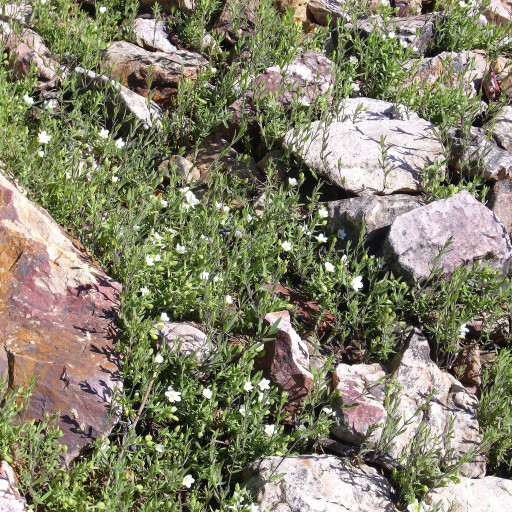
Often nicknamed the "Mountain Sandwort," this charming evergreen groundcover transforms rocky patches into a "snowy" wonderland during late spring. Native to the high-altitude terrains of Southwestern Europe, it acts like a living carpet that softens the jagged edges of stone walls and alpine gardens with its delicate, star-like blooms.
🔍 How to Identify
- 🌼 The Flowers: Large, brilliant white petals that seem oversized compared to the tiny foliage. Each flower features a subtle lime-green or yellowish center that glows in the sun.
- 🍃 Foliage Texture: Small, lance-shaped leaves that are slightly fuzzy and a soft grayish-green, forming a dense, moss-like mat that stays green year-round.
- 🌱 Growth Habit: A low-growing, trailing perennial that rarely exceeds 6 inches in height but spreads wide to "hug" rocks and fill crevices.
🏡 In Your Garden
- 🪨 The "Sand" in Sandwort: Its Latin name Arenaria translates to "sandy," highlighting its absolute need for gritty, well-draining soil. This plant is a specialist; it will quickly rot if forced to sit in heavy clay or "wet feet."
- ☀️ Cool-Weather Sun Lover: While it craves bright light to produce its massive floral display, it dislikes extreme humidity. In hotter climates, it thrives best when tucked into a north-facing rock crevice where its roots can stay cool while its head stays in the sun.
⚠️ Safety & Toxicity
- ✅ Safe Status: The Mountain Sandwort is generally considered non-toxic to humans.
- 🐾 Pet Friendly: It is not listed as a poisonous plant for cats or dogs, making it a worry-free choice for low-level garden borders where pets might brush against it.
✨ Fun Fact
🏔️ High-Altitude Hero: In its native habitat, Arenaria montana can be found growing at elevations of up to 3,000 meters. It survives these harsh conditions by growing in tight, prostrate cushions that trap heat against the soil and resist the drying effects of mountain winds.

Detailed Care Instructions
| Humidity | Normal |
| Lighting | Full Sun |
| Difficulty | Medium |
| Hibernation | Cold Period |
| Temperature | 10°C - 20°C |
| Hardiness Zones | 14 - 17 |
To grow Arenaria Montana plants, follow these steps:
- Purchase seeds or young plants from a reputable nursery or online supplier.
- Choose a location with well-draining soil and full sun to partial shade. Arenaria Montana plants prefer sandy or rocky soil with a pH level between 5.5 and 7.0.
- Prepare the soil by removing any weeds or grass and loosening it with a garden fork or tiller. Incorporate organic matter like compost or well-rotted manure to improve soil fertility and drainage.
- Dig small holes or furrows in the soil, about 12 to 18 inches apart, and place the seeds or young plants in these holes. If planting from seeds, follow the recommended sowing depth mentioned on the seed packet.
- Water the plants thoroughly after planting to settle the soil and ensure good root-to-soil contact.
- Maintain consistent moisture in the soil by watering regularly, especially during dry periods. However, avoid overwatering as it can cause root rot.
- Mulch around the base of the plants with a layer of organic mulch, such as wood chips or straw. This helps retain soil moisture, suppresses weeds, and protects the roots of the plants from extreme temperatures.
- Prune the plants as needed to maintain their shape and promote healthy growth. Deadhead the flowers to encourage more blooms and prevent the plant from self-seeding excessively.
- Fertilize the plants with a balanced, slow-release fertilizer in early spring and mid-summer, following the label instructions. Alternatively, you can use a liquid, water-soluble fertilizer every two weeks during the growing season.
- Monitor the plants for any signs of pests or diseases, such as aphids or powdery mildew. Treat any issues promptly with organic or chemical pest and disease control methods.
- In colder regions, provide winter protection by mulching around the base of the plants with a thick layer of straw or leaves. This helps insulate the roots from frost and freezing temperatures.
With proper care and maintenance, Arenaria Montana plants should grow well and provide beautiful groundcover with their delicate white flowers.

Place in a window with dappled sun or a spot in the middle of a room. Or directly in a window facing west or east.

To water this plant, it is important to take into consideration its specific needs. The soil should be kept consistently moist but not waterlogged. Overwatering can lead to root rot, so it's important to allow the soil to dry out slightly between waterings. This plant is also sensitive to the quality of the water it receives, so it's best to use distilled or rainwater instead of tap water. During periods of high heat or drought, it may be necessary to increase watering frequency. However, it's important not to water from above, as this can cause damage to the leaves and flowers. Instead, water at the soil level using a gentle stream of water.
Apply a balanced fertilizer in early spring before new growth emerges. Repeat the application every 4-6 weeks during the growing season. Avoid fertilizing during the fall and winter months. Use a slow-release fertilizer to prevent over-fertilization and follow the manufacturer's instructions for application rates. Water the plant well before and after fertilizing to help the nutrients reach the roots.
The ideal soil for the plant in question should be well-draining and not too dense in texture. It should have a balanced pH level and be rich in macronutrients such as nitrogen, phosphorus, and potassium. A mix of loamy soil, sand, and peat moss is recommended for optimal growth. It is also important to ensure that the soil is not too compacted, as this can hinder root growth and drainage.
To propagate this plant, cut 4-6 inch sections of stem from healthy, established plants in the spring or summer. Strip the lowest leaves from the stem and dip the cut end in rooting hormone. Plant the stem in moist potting soil and keep it in a warm, humid location with bright, indirect light. Keep the soil consistently moist and mist the cutting daily to maintain humidity. After 4-6 weeks, the cutting should have developed roots and can be transplanted into its permanent location.
Common pests of the mountain sandwort include Spider mites, aphids. Make a habit of checking your mountain sandwort frequently for pests so that any infestations can be caught and managed early.








