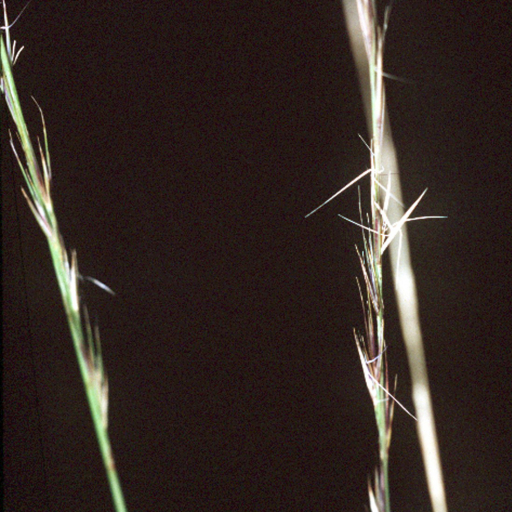
Plant Overview
Known as the "Wiregrass," Aristida stricta is the legendary backbone of the Southeastern United States' longleaf pine savannas. This hardy bunchgrass is famous for its unique relationship with fire—it actually depends on summer blazes to bloom and reproduce, acting as a natural fuel that helps maintain its own ecosystem.
🔍 How to Identify
- 🌿 Wiry Foliage: True to its name, the leaves are extremely thin, stiff, and tightly rolled, looking more like green wires than typical flat grass blades.
- 🌾 Densely Tufted Habit: It grows in tight, upright clumps (bunchgrass) rather than spreading out like a carpet, often reaching about 1 to 2 feet in height.
- 🍂 Curled Tips: As the older leaves dry out, they tend to twist and curl at the ends, giving the base of the plant a slightly "shaggy" appearance.
🏡 In Your Garden
- 🏜️ The Sand Specialist: This is the ultimate "tough love" plant. It thrives in nutrient-poor, sandy soils where other plants might wither, making it a perfect choice for coastal gardens or xeriscaping.
- 🐢 Wildlife Sanctuary: If you are gardening for restoration, Wiregrass is essential. It provides critical nesting cover for quail and is the favorite hiding spot for the endangered gopher tortoise.
⚠️ Safety & Toxicity
- ✅ Non-Toxic: Aristida stricta is generally considered safe and non-toxic for humans, dogs, and cats.
- 🔪 Physical Irritant: Because the leaves are so stiff and "wiry," the tips can be quite sharp. Handle with care during maintenance to avoid minor skin pricks or "grass cuts."
✨ Fun Fact
Wiregrass is a "pyrophile" (fire lover). While most plants fear fire, Wiregrass creates its own. It contains flammable oils that help carry ground fires through the forest floor, clearing out its competitors. It then uses the shock of the heat to trigger its own flowering cycle!

Detailed Care Instructions
To grow an Aristida stricta plant, also known as wiregrass, follow these steps:
- Choose the right location: Aristida stricta prefers full sun but can also tolerate partial shade. Make sure the soil is well-drained and not too compacted.
- Prepare the soil: Loosen the soil in the planting area by turning it with a garden fork or shovel. Remove any weeds or debris.
- Plant the seeds: Scatter the Aristida stricta seeds evenly over the planting area. Make sure not to bury them too deep. Gently tamp down the soil to ensure good seed-to-soil contact.
- Water regularly: Keep the soil moist but not waterlogged. Water the seeds lightly and frequently until they germinate. Once established, water the plants regularly, especially during dry periods.
- Provide occasional fertilizer: Aristida stricta generally does not require much fertilizer. However, feeding the plants with a balanced slow-release fertilizer in early spring can promote healthy growth.
- Prune as needed: Aristida stricta does not typically require pruning. However, you can trim any dead or damaged leaves or stems as necessary.
- Control weeds: Keep the planting area free from weeds, especially in the early stages of growth when the Aristida stricta plants are still establishing.
- Protect from pests: While Aristida stricta is generally pest-resistant, it can occasionally face issues such as grasshoppers or aphids. Monitor the plants regularly and address any pest issues promptly.
- Harvest seeds for propagation: Wiregrass produces seeds that can be collected when mature. Harvest the seeds by cutting the ripe seed heads and hanging them upside down in a paper bag to collect the seeds.
- Propagate through seedlings: If you want to propagate more Aristida stricta plants, you can sow the collected seeds in containers or directly in the ground in the same manner as the initial planting.
Remember that Aristida stricta is a native plant and helps maintain biodiversity. It is an important food and habitat source for wildlife, so consider leaving some areas untouched for its natural growth and benefit to the ecosystem.

Place in a bright room that is sun drenched almost all day. Or directly in a south-facing window.

A plant of the genus Aristida that belongs to the family Poaceae requires proper watering to grow and thrive. To water this plant, one should first check the soil moisture level. If the soil is dry an inch below the surface, it is time to water the plant. It is recommended to water the plant slowly and deeply, allowing the water to seep into the roots. One should avoid overwatering the plant as it can cause root rot. It is also advisable to water the plant in the morning or early evening to prevent evaporation and to ensure that the water reaches the roots. During the hot summer months, the plant may require more frequent watering. Overall, ensuring adequate and appropriate watering is important to promote healthy growth and development of Aristida Stricta.
To fertilize this plant, apply a balanced fertilizer with equal parts nitrogen, phosphorus, and potassium in the spring. Apply the fertilizer evenly around the base of the plant, being careful not to get any on the leaves. Water the plant thoroughly after fertilization to help the nutrients reach the roots. Repeat fertilization once or twice during the growing season, if necessary, to maintain healthy growth.
It is recommended to use a well-draining soil with low to moderate fertility for this plant. The soil should ideally have a pH level of 6.0-7.5. The plant can tolerate some drought and does not require frequent watering. It is advised to avoid over-fertilizing as it can lead to excessive growth and reduce the plant's hardiness. The plant prefers full sunlight exposure and is tolerant of a wide range of soil types, including sandy, loamy, and clay soils. Heavy clay soils should be amended with sand or organic matter to improve drainage.
To propagate this plant, you will need to collect seeds from the matured plant. To do this, wait until the seed heads have turned brown and are dry. Then, gently shake the seed heads to release the seeds. Collect the seeds in a dry container and store them in a cool, dry place until you are ready to plant them.
Prepare the soil by digging up any weeds and removing any rocks or debris. Spread a thin layer of compost or well-rotted manure over the soil and work it in with a garden fork or shovel.
Sow the seeds directly into the soil, spacing them about 1 inch apart. Gently press the seeds into the soil and cover with a thin layer of soil. Water the soil thoroughly, but be careful not to wash away the seeds.
Continue to water the soil regularly, keeping it consistently moist but not waterlogged. The seeds should germinate within 1-2 weeks and the plants will grow quickly. Thin the plants as necessary to ensure they have enough space to grow.
Once the plants have matured and produced seed heads of their own, you can collect and store the seeds to propagate more plants in the future.








