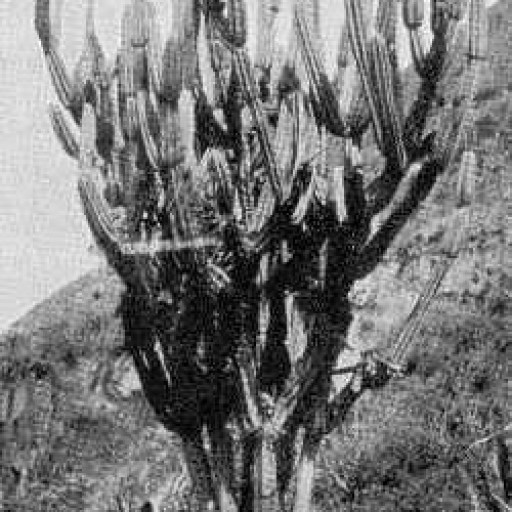
Plant Overview
Standing as a silent, spiked sentinel in the dry valleys of Ecuador, Armatocereus godingianus is a majestic, tree-like cactus that looks like a relic from a prehistoric world. Often called "Goding’s Cereus," it is famous for its segmented, candelabra-style growth that can reach impressive heights. It is a vital part of the Andean scrubland, providing a vertical landscape for birds and specialized pollinators in its native habitat.
🔍 How to Identify
- 🌵 Segmented Stems: Unlike many tall cacti that grow in one continuous column, this species grows in distinct "joints" or segments, marking each year’s new growth like a stack of green pipes.
- 📐 Deeply Ribbed Profile: The branches feature 7 to 11 sharp, prominent ribs that allow the plant to expand and contract as it stores water during rare rainfalls.
- ⚔️ Golden-Brown Armor: Each areole is armed with a cluster of stiff, yellowish-brown spines that turn gray with age, giving the plant a rugged, "armed" appearance.
🏡 In Your Garden
- ⛰️ Rocky Roots: In a garden or container, this cactus demands "perfect" drainage. It evolved on rocky canyon walls, so it prefers a mineral-heavy soil mix with plenty of pumice or grit rather than rich, organic potting soil.
- ☀️ Light Hungry: To maintain its iconic tree-like silhouette, it needs intense, direct sunlight. If kept in the shade, the new segments will grow thin, weak, and "stretched," a condition known as etiolation.
⚠️ Safety & Toxicity
- 🌵 Physical Hazard: This plant is not chemically toxic to humans or pets, but its spines are exceptionally sharp and rigid.
- 🐾 Placement Matters: Because the spines can cause deep puncture wounds, it should be planted away from walkways or areas where children and pets play. Always use heavy-duty leather gloves or "cactus tongs" when moving or pruning.
✨ Fun Fact
The name Armatocereus literally translates to "Armed Cereus," referring to the heavy "armor" of spines that protect its water-rich stems from the scorching sun and thirsty desert animals!

Detailed Care Instructions

Place in a bright room that is sun drenched almost all day. Or directly in a south-facing window.

Armatocereus godingianus is a cactus species that requires careful watering to thrive. When watering this plant, it is important to provide the right amount of water at the right time, to prevent over or under-watering.
To water Armatocereus godingianus, first, you should wait until the soil is completely dry. Then, you should water the plant until the excess water runs out of the drainage holes at the bottom of the pot. This ensures that the soil is thoroughly saturated with water.
It is important to let the plant drain for a few minutes, and then remove the excess water from the saucer, to prevent the soil from becoming waterlogged. You should also be careful not to water the body of the plant, as this can lead to rot or fungal growth.
In general, Armatocereus godingianus requires moderate watering during the growing season, and less frequent watering during the dormant period. You should also adjust your watering schedule based on the temperature and humidity, as well as the size of the pot and the amount of sunlight the plant receives.
These plants can thrive without taking help from any fertilizer. However, if the medium of growth is something other than soil for instance sand then you may need to add little fertilizer. The best way to know if your plants need fertilizer or not is to check for yellowing of leaves. If the leaves start to turn yellow it’s fertilizing time.
You may use Cactus Fertilizer for your Armatocereus Godingianus
Armatocereus godingianus is a type of plant that requires well-draining soil to ensure its healthy growth. You need to use a soil blend that provides excellent drainage while retaining enough moisture around the roots. It is recommended to use sandy or loamy soil mixed with perlite or coarse sand to improve drainage. You can add organic materials, such as compost or peat moss, to enrich the soil with nutrients and improve its water retention ability. Avoid using heavy soils that can easily compact and suffocate the roots. Acidic soil is also not appropriate for this plant; hence, you need to use soil with a neutral pH of around 6.0-7.0. When planting Armatocereus godingianus, ensure the soil is moist but not waterlogged and allow excess water to drain off. It is essential to provide the plant with adequate sunlight, appropriate watering frequency and suitable soil if you want it to thrive.
Common pests of the armatocereus godingianus include Scale insect, mealybugs, spider mites. Make a habit of checking your armatocereus godingianus frequently for pests so that any infestations can be caught and managed early.







