Plant Overview
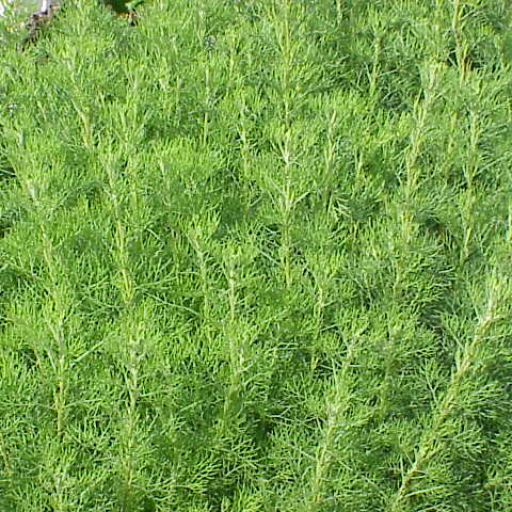
Known affectionately as Southernwood, "Old Man," or "Lad’s Love," Artemisia abrotanum is a fragrant powerhouse that has been a staple in European cottage gardens for centuries. Traditionally tucked into nosegays and wardrobes to mask odors and ward off moths, this woody perennial is beloved for its intense, lemon-camphor scent and its delicate, misty appearance. It’s the perfect plant for those who want a garden that smells as good as it looks.
🔍 How to Identify
- 🌿 Feathery Foliage: The leaves are finely divided into thread-like segments, giving the plant a soft, lace-like texture that ripples in the wind.
- 🎨 Muted Color: Unlike the deep greens of most herbs, Southernwood has a distinctive grayish-green hue that provides a beautiful "cooling" effect in borders.
- 🌼 Inconspicuous Flowers: In late summer, it produces small, nodding clusters of yellowish-white flowers, though they are quite tiny and often less impressive than the aromatic leaves.
🏡 In Your Garden
- ✂️ The Pruning Puzzle: Because it is a "sub-shrub," it tends to get woody and leggy at the base. To prevent it from looking messy, give it a hard prune in early spring to encourage fresh, bushy growth.
- 🐜 Natural Pest Guard: Its high concentration of essential oils makes it an excellent companion plant. Growing it near your patio or vegetable patch can help naturally deter mosquitoes, moths, and even some types of garden beetles.
⚠️ Safety & Toxicity
- 🟢 General Status: Non-toxic and safe for most home gardens. It was historically used in teas and medicines, though its extremely bitter taste usually discourages ingestion.
- 🐾 Pets & Kids: It is generally considered safe, but like many aromatic herbs, the concentrated oils can cause a mild upset stomach if eaten in large quantities.
- 🧴 Skin Note: Some people with very sensitive skin may experience mild irritation after handling the foliage for long periods in direct sunlight.
✨ Fun Fact
The nickname "Lad’s Love" comes from a charming folk tradition: young men would include a sprig of Southernwood in bouquets for their sweethearts, believing the pungent, stimulating scent would help "awaken" the girl’s romantic feelings!

Detailed Care Instructions
To grow Artemisia abrotanum, also known as Southernwood, follow these steps:
- Choose a suitable location: Southernwood prefers full sun to partial shade, so select a spot in your garden that receives at least 6 hours of direct sunlight per day. Ensure that the soil is well-drained.
- Prepare the soil: Southernwood can tolerate various soil conditions, but it thrives in moderately fertile, loose, and well-draining soil. Before planting, it is recommended to loosen the soil with a garden fork or tiller and remove any weeds or rocks.
- Planting: Southernwood can be grown from seeds or cuttings. If using seeds, sow them in early spring, either directly in the garden or in seed trays indoors. Cover the seeds lightly with soil and keep the soil moist until germination, which usually takes around 10-14 days. Alternatively, you can take cuttings from an existing plant by snipping a 4-6 inch (10-15 cm) piece with clean and sharp pruners. Remove the lower leaves, leaving only a few at the top, and plant the cutting in a rooting medium such as water or a soilless mix. Keep the cutting in a warm and bright location until it develops roots.
- Watering: Artemisia abrotanum is relatively drought-tolerant and requires watering only when the soil becomes dry. Ensure that the plant receives deep watering to encourage the development of a strong root system.
- Maintenance: Southernwood is a low-maintenance plant, but regular pruning promotes bushier growth and helps maintain a compact shape. Prune the plant in early spring or after flowering by cutting back the woody stems by about one-third of their length.
- Pests and diseases: Southernwood is known for its strong scent that repels many pests, making it relatively resistant to common garden pests. However, keep an eye out for aphids or caterpillars, which can occasionally appear. If necessary, control these pests with organic insecticides or by manually removing them.
By following these steps, you can successfully grow Artemisia abrotanum in your garden and enjoy its aromatic foliage and attractive yellow flowers.

Place in a bright room that is sun drenched almost all day. Or directly in a south-facing window.

To water this particular plant, you will need to first assess the soil moisture to determine if watering is necessary. Insert your finger about an inch into the soil and check for dryness. If the soil is dry, you can water the plant thoroughly until the water begins to drain out of the drainage holes in the bottom of the pot. Be sure to avoid getting the foliage wet when watering, as this can lead to fungal diseases. Watering should generally be done once a week, but this may vary depending on the temperature and humidity levels in your specific environment. It is important not to overwater the plant, as this can lead to root rot and other issues.
To fertilize this plant, use a balanced fertilizer with equal amounts of nitrogen, phosphorus, and potassium. Apply the fertilizer in early spring before new growth emerges. Avoid over-fertilizing, as this can cause the plant to become leggy and weak. Instead, use a slow-release fertilizer or apply a liquid fertilizer at half strength every two to three weeks throughout the growing season. Water the plant deeply after fertilizing to prevent fertilizer burn and to help the nutrients penetrate the soil.
For the Artemisia Abrotanum plant, it is recommended to use well-draining soil that is rich in organic matter. The soil should also be slightly alkaline with a pH of around 7-8. The plant prefers a soil that is not too wet and can tolerate dry conditions once established. It is important to ensure that the soil is not waterlogged, as this can lead to root rot and other fungal diseases. Additionally, the plant can benefit from a layer of mulch to help retain moisture and regulate soil temperature.
To propagate this plant, first identify a healthy and mature stem with several leaves. Then, cut the stem at a 45-degree angle using a sharp and clean pair of scissors or pruning shears. Remove the lower leaves on the stem, leaving only a few leaves at the top. Dip the cut end of the stem into root hormone powder to promote root growth. Next, prepare a potting mix suitable for the plant, such as a mix of perlite and peat moss. Make a hole in the soil with a pencil or stick, insert the stem into the hole, and gently press the soil around the stem to secure it in place. Water the plant thoroughly and cover it with a clear plastic bag or container to retain moisture and humidity. Place the pot in a bright but indirect light spot, and keep the soil moist but not waterlogged. Within a few weeks, the plant should start growing roots, and after a few months, it should be established enough to transfer to a larger container or to the garden.








