Plant Overview
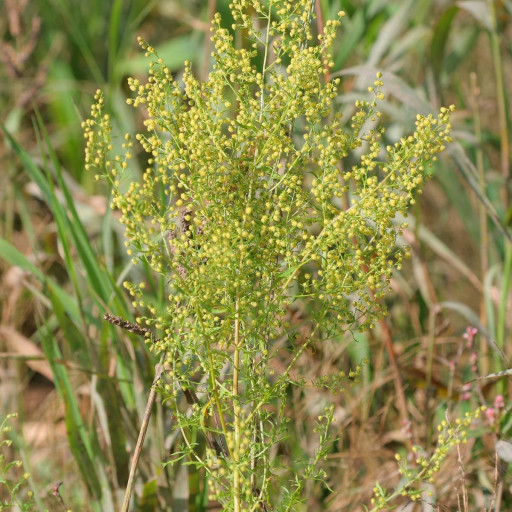
Known globally as "Sweet Annie" or "Sweet Wormwood," Artemisia annua is a vigorous annual herb that smells like a sophisticated blend of camphor and sweet citrus. While it looks like a delicate, airy fern, it is a powerhouse of history, having transitioned from an ancient Chinese remedy to a modern-day Nobel Prize-winning medical marvel. Gardeners love it for its feathery texture and the refreshing fragrance it releases whenever you brush past it.
🔍 How to Identify
- 🍃 Leaf Texture: The foliage consists of deeply divided, bright green leaves that look remarkably like fern fronds or carrot tops, giving the plant a soft, lacy appearance.
- 👃 Aromatic Scent: Unlike many of its "bitter" wormwood cousins, Sweet Annie has a distinctly pleasant, sweet, and pungent herbal aroma that lingers on the fingers.
- 🌼 Flowers: In late summer, it produces tiny, inconspicuous nodding yellow flower heads. These are held in loose, branching clusters (panicles) at the tips of the stems.
🏡 In Your Garden
- 🌱 Growth Habit: This is an incredibly fast-growing herb that can easily reach heights of 6 to 8 feet in a single season. It prefers a sunny spot and is famously unfussy about soil, though it absolutely demands good drainage to prevent root rot.
- ✂️ The "Weed" Factor: Because it is a prolific self-seeder, one plant can produce thousands of seeds. If you don't want a forest of Sweet Annie next year, be sure to harvest the stalks for floral arrangements or wreaths before the tiny yellow buds fully open and drop their seeds.
⚠️ Safety & Toxicity
- 🐾 Pet Safety: While not typically high on the list of "deadly" plants, the high concentration of essential oils can cause digestive upset, vomiting, or lethargy in cats and dogs if ingested in large quantities.
- 👩⚕️ Medicinal Caution: Although it is the primary source of the anti-malarial drug Artemisinin, you should never attempt to "self-medicate" with garden-grown teas. The concentration of active compounds varies wildly between plants and can be toxic to the liver if prepared incorrectly.
✨ Fun Fact
In 2015, scientist Tu Youyou was awarded the Nobel Prize in Medicine for her work with this plant. She successfully isolated the compound Artemisinin after searching through a 1,600-year-old Chinese manuscript titled "Emergency Prescriptions Kept Up One's Sleeve," which described using the plant to treat "intermittent fevers."

Detailed Care Instructions
| Color | Yellow |
| Soil Ph | 6.5-8.0 |
| Humidity | Dry |
| Invasive | Weed |
| Lighting | Full Sun |
| Toxicity | Non-Toxic |
| Soil Type | Sandy, Well-Drained |
| Bloom Time | Summer |
| Difficulty | Easy |
| Plant Type | Perennial, Annual |
| Hibernation | Cold Period |
| Mature Size | 6 Ft. Tall, 2Ft. Wide |
| Native Area | Asia, Europe |
| Sun Exposure | Full Sun |
| Hardiness Zones | 5-9 |
To grow Artemisia Annua, also known as sweet wormwood or qinghao, you can follow these steps:
- Purchase seeds or cuttings: You can buy Artemisia Annua seeds or cuttings from a local nursery, garden center, or online. Make sure you get a reliable source for guaranteed quality.
- Choose a location: Artemisia Annua thrives in full sun but can tolerate partial shade. Select a well-draining area in your garden with fertile soil.
- Prepare the soil: Loosen the soil with a garden fork or tiller, removing any weeds or debris. You can enrich the soil by adding organic matter like compost or well-rotted manure.
- Sow seeds or plant cuttings: If using seeds, sprinkle them over the prepared soil and cover them lightly with a thin layer of soil or vermiculite. If using cuttings, create holes or furrows in the soil and place the cuttings, then gently cover them with soil.
- Watering: Water the freshly planted seeds or cuttings gently, keeping the soil moist but not waterlogged. Seedlings usually appear within two weeks.
- Mulch: Mulching around the plants helps conserve moisture and suppress weed growth. Apply a layer of organic mulch like straw or wood chips.
- Care and maintenance: As the plants grow, thin them if overcrowded to allow proper air circulation and prevent diseases. Water regularly to keep the soil moist but avoid overwatering. Artemisia Annua is relatively low maintenance and generally doesn't require fertilizers.
- Harvesting: Depending on your purpose, you can harvest the leaves and stems when the plants are about four to five feet tall, just before they start to flower. Dry the harvested foliage in a cool, well-ventilated area, away from direct sunlight.
- Pests and diseases: While Artemisia Annua is relatively resistant to pests and diseases, it may occasionally be affected by aphids, spider mites, or powdery mildew. Keep an eye out for any issues and take appropriate measures if needed, such as using organic insecticides or removing affected parts.
Remember to check local regulations and restrictions regarding growing Artemisia Annua, as it may be classified as an invasive species in some regions.

Place in a bright room that is sun drenched almost all day. Or directly in a south-facing window.

The best way to water this plant is to ensure that the soil is moist but not waterlogged. It is important to avoid overwatering because the plant thrives in well-drained soil. You can check if the soil needs water by touching the surface or inserting a finger into the soil to a depth of 1-2 inches. If the soil is dry, it's time to water the plant. However, if the soil is still moist, hold off on watering for a few more days. When watering, it's best to pour the water at the base of the plant and avoid splashing water on the foliage. This can help prevent fungal diseases. Water the plant regularly, but make sure to allow the soil to dry out slightly between watering intervals. In general, the frequency of watering should depend on the temperature, humidity, and overall environmental conditions.
To fertilize the plant, you will need to apply a nitrogen-rich fertilizer during the growing season. Apply the fertilizer at the base of the plant and ensure it is watered in well. It is important not to over-fertilize as this can lead to excessive growth and reduced potency of the plant's compounds. A balanced fertilizer with equal amounts of nitrogen, phosphorus, and potassium can also be used. Avoid fertilizing the plant during the dormant season.
Artemisia Annua prefers well-drained soil that is rich in nutrients and organic matter. The soil should be slightly alkaline with a pH level between 6.0 and 7.5. This plant can tolerate different soil types, including sandy, loamy, and clayey soils, but it requires good drainage. To ensure proper growth and development, it is recommended to amend the soil with compost or aged manure before planting. Additionally, adding a slow-release fertilizer can provide the necessary nutrients for the plant's growth. It is also important to avoid planting this plant in soil that has been previously treated with herbicides or chemicals, as it may negatively impact the plant's growth and health.
To propagate this plant, first select a healthy parent plant with a strong root system. Take a cutting of around 5-10 cm long from the stem of the parent plant using a sharp, sterilized pair of scissors or pruning shears. Remove the leaves from the lower two-thirds of the cutting, leaving only a few leaves at the top. Dip the cut end of the stem into rooting hormone powder and insert it into a pot filled with well-draining soil. Water the cutting lightly and cover the pot with plastic wrap to create a humid environment. Place the pot in a warm, bright spot, but out of direct sunlight. Keep the soil moist, but not waterlogged. After a few weeks, roots should begin to form on the cutting. Once the plant has established roots, remove the plastic wrap and gradually expose it to more sunlight. Transplant the young plant into a larger pot or directly into the garden once it has outgrown its container.
Common pests of the sweet sagewort include Aphids. Make a habit of checking your sweet sagewort frequently for pests so that any infestations can be caught and managed early.








