Plant Overview
Known affectionately as "Cowboy Cologne," California Sagebrush is the quintessential scent of the Golden State’s rugged coastline. Despite its common name, it isn't a true sage (Salvia) but is actually a member of the sunflower family. This hardy perennial is famous for its powerful, refreshing aroma that lingers on the clothes of anyone who brushes past it on a hiking trail.
🔍 How to Identify
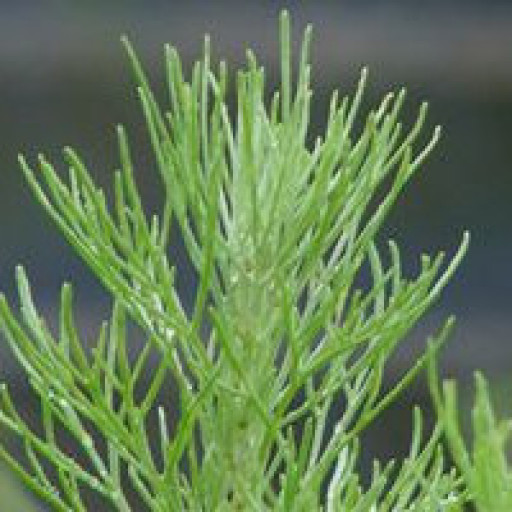
- 🌿 The Foliage: Look for soft, thread-like leaves that are deeply divided into narrow, needle-thin segments. They feel almost feathery to the touch.
- 🩶 Color Palette: The plant has a distinct silvery-grey or light green hue, thanks to tiny hairs that help the plant retain moisture in the heat.
- 🌼 The Flowers: During late summer, it produces inconspicuous, drooping clusters of tiny yellowish-green flower heads that blend into the foliage.
🏡 In Your Garden
- ☀️ Drought Strategy: This plant is a "drought-deciduous" survivor. In the peak of a dry summer, it may drop its leaves and look a bit shaggy or dead; don't panic—it’s just resting to save water.
- 🦋 Wildlife Magnet: It is a vital habitat plant, specifically serving as a primary nesting home for the rare California Gnatcatcher bird and providing a feast for various native predatory wasps and butterflies.
- 🪴 Drainage is King: If you plant this at home, ensure the soil is gritty and fast-draining. It hates "wet feet" and will quickly succumb to root rot if sitting in heavy, damp clay.
⚠️ Safety & Toxicity
- 🐾 Pet Safety: While generally not considered highly toxic, it contains thujone (the same compound in Absinthe), which can be harmful to pets or humans if ingested in significant quantities.
- 🧴 Skin Sensitivity: Most people love the scent, but the oils can cause mild dermatitis or skin irritation in sensitive individuals. Wash your hands after heavy pruning.
✨ Fun Fact
California Sagebrush earned the name "Cowboy Cologne" because early 19th-century travelers and vaqueros would rub the fragrant branches on their clothes to mask the smell of sweat and horses before heading into town!

Detailed Care Instructions
To grow Artemisia californica (California sagebrush) successfully, follow these steps:
- Choose the right location: Artemisia californica is native to California and requires a Mediterranean climate. The plant prefers full sun to partial shade and well-drained soil.
- Prepare the soil: The soil should be well-draining and sandy. If your soil is heavy clay, add some organic matter like compost to improve drainage.
- Planting: Dig a hole that is slightly larger than the root ball of the plant. Place the plant in the hole, ensuring that the crown is level with the soil surface. Backfill the hole with soil, gently firming it around the plant.
- Watering: Initially, water the newly planted Artemisia californica regularly to help establish the roots. Once established, the plant is drought-tolerant and requires minimal watering. Water only when the soil is dry, but be careful not to overwater as that can cause root rot.
- Mulching: Apply a layer of mulch around the base of the plant to help retain moisture, suppress weeds, and regulate soil temperature. Use organic mulch such as wood chips or straw.
- Pruning: Prune Artemisia californica in late winter or early spring to remove dead or damaged branches. Pruning will also help maintain a more compact and tidy shape.
- Fertilization: Artemisia californica generally does not require much fertilization. However, if your soil is lacking in nutrients, you can apply a general-purpose organic fertilizer once or twice a year in the spring and fall.
- Pests and diseases: California sagebrush is generally resistant to pests and diseases. However, keep an eye out for aphids or spider mites, which can occasionally infest the plant. Treat any infestations with insecticidal soap or a natural remedy.
- Propagation: Artemisia californica can be propagated from seeds or stem cuttings. Collect seeds from mature plants in the fall and sow them in well-draining soil in the spring. Stem cuttings can be taken in late spring or early summer and rooted in moist soil.
Remember to check for any local regulations or restrictions regarding the cultivation of native plants in your area before growing Artemisia californica.

Place in a bright room that is sun drenched almost all day. Or directly in a south-facing window.

To water this plant, it is important to first understand its water requirements. This plant prefers a well-draining soil and only needs to be watered when the top inch of soil feels dry to the touch. Overwatering can lead to root rot and other issues.
When watering, it is important to water at the base of the plant, rather than on the leaves. This will help prevent moisture from sitting on the leaves and potentially causing damage or disease.
One method of watering is to use a watering can or hose to apply water slowly and evenly around the base of the plant. Another method is to use a drip irrigation system, which can be set up to deliver water directly to the plant's roots on a regular schedule.
It is also important to water early in the morning or in the evening, when temperatures are cooler and evaporation rates are lower. This will help ensure that the plant has time to absorb the water before it evaporates or is taken up by other plants and organisms in the area.
By following these watering guidelines, the plant should thrive and remain healthy for years to come.
- Choose a nitrogen-rich fertilizer for this plant, such as a 10-5-5 blend.
- Apply fertilizer in early spring before new growth appears and again in late summer or early fall.
- Follow package instructions for amount and frequency of application.
- Avoid fertilizing during the hot summer months or during drought conditions.
- Water the plant thoroughly after fertilizing to help nutrients penetrate the soil.
Artemisia Californica plants prefer well-draining soil that is slightly alkaline with a pH between 7.0 and 8.0. The ideal soil for these plants is sandy or loamy, and it should be mixed with organic matter such as compost or aged manure to improve its fertility and drainage. It is important to avoid using heavy clay soils that retain water, as this can lead to root rot and other water-related problems. Additionally, these plants require full sun exposure to thrive, so planting them in an area with minimal shade is essential. Overall, the most important aspect of soil selection for Artemisia Californica plants is ensuring that the soil is well-draining and nutrient-rich, with a slightly alkaline pH.
Artemisia Californica plant can be propagated using seeds or cuttings. For seed propagation, collect the seeds from the matured plant and sow them in a seed-starting mix. Keep the soil moist and place the container in a warm and bright location. The seeds will germinate in 2-4 weeks. Once the seedlings are big enough, they can be transplanted to a well-draining soil mix.
Alternatively, the Artemisia Californica plant can also be propagated using cuttings. Take 4-6 inch long cuttings from the tips of the plant and remove the leaves from the bottom half of the stem. Dip the cut end in rooting hormone and plant it in a pot filled with well-draining soil mix. Place the pot in a warm and bright location and keep the soil moist. The cuttings will root in 2-3 weeks and can be transplanted to a bigger pot or to the garden.
Propagation of Artemisia Californica plant is best done during the spring or summer season.








