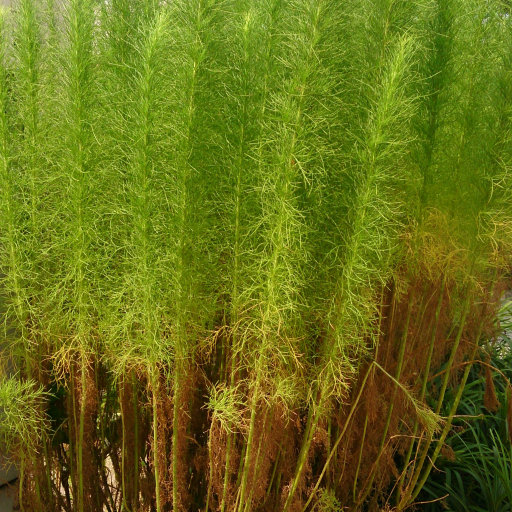
Plant Overview
Known as the "Redstem Wormwood" or "Yin Chen" in traditional medicine, Artemisia scoparia is a graceful, ethereal herb that looks like a cloud of green mist floating over the landscape. Often found dancing in the wind across Eurasia and parts of North America, this plant is celebrated for its deep roots in ancient healing and its incredible ability to thrive in harsh, dry conditions where other plants might wither.
🔍 How to Identify
- 🌿 The Stems: Its most distinctive feature is its slender, wiry stems that often turn a deep reddish or purplish-brown as the plant matures, creating a beautiful contrast with the green foliage.
- 🍃 Feathery Foliage: The leaves are incredibly fine and hair-like, giving the plant a soft, "filiform" texture. It looks almost like a delicate spray of seafoam or a miniature pine tree.
- 🌼 Tiny Blooms: In late summer, it produces massive clusters of minuscule, yellowish-green flowers. These are so small they look like tiny beads or seeds scattered along the branches.
🏡 In Your Garden
- 🏜️ Tough Love: This plant is a xeriscaping champion; it actually prefers "poor" sandy or gravelly soil. Because it has a deep taproot, it hates being moved once established, so choose its forever home carefully.
- ☀️ Sun Seeker: To maintain its upright, airy shape, it needs full sun. In the shade, the stems tend to go "floppy" and lose that signature reddish hue as they search for light.
⚠️ Safety & Toxicity
- 🐾 Pet Sensitivity: While not considered deadly, it contains essential oils (like thujone) that can cause digestive upset or lethargy in cats and dogs if chewed in significant amounts.
- 🧴 Skin Awareness: Some gardeners may experience mild skin irritation or "contact dermatitis" when handling the foliage, so it is best to wear gloves if you have sensitive skin.
- 🤰 Human Caution: While used in traditional herbalism, it should never be consumed by pregnant women as certain compounds in the Artemisia family can interfere with pregnancy.
✨ Fun Fact
In Traditional Chinese Medicine, this plant is called Yin Chen and has been recorded in medical texts for over 2,000 years! It was famously used to treat jaundice, earning it a reputation as a "liver-cleansing" herb in ancient folklore.

Detailed Care Instructions
To grow Artemisia scoparia plant, you can follow these steps:
- Plant selection: Choose healthy young plants or seeds from a reputable nursery or garden center.
- Location: Find a suitable location for the plant. Artemisia scoparia prefers full sun but can tolerate partial shade. It also prefers well-draining soil.
- Soil preparation: Prepare the soil by removing any weeds and loosening the soil. You can improve drainage by adding organic matter such as compost.
- Planting: Dig a hole slightly larger than the root ball of the plant or sow the seeds directly in the soil. Place the plant in the hole and backfill with soil.
- Watering: Water the plant thoroughly after planting and keep the soil moist, but not waterlogged. Once established, Artemisia scoparia is drought-tolerant and only requires watering during prolonged dry periods.
- Mulching: Apply a layer of mulch around the plant to help retain moisture, suppress weeds, and regulate soil temperature.
- Pruning: Artemisia scoparia can grow leggy over time. Pruning can help maintain a compact shape and promote bushier growth. Trim back the plant in early spring or after flowering to encourage new growth.
- Fertilizing: Artemisia scoparia generally doesn't require much fertilizer. If desired, you can apply a balanced slow-release fertilizer in early spring.
- Pests and diseases: Artemisia scoparia is relatively resistant to pests and diseases. However, it can be susceptible to powdery mildew in humid conditions. Monitor the plant regularly and take appropriate measures if any issues arise.
- Propagation: Artemisia scoparia can be propagated by dividing established plants, taking softwood cuttings, or collecting and sowing seeds.
Remember to research and understand the specific growing requirements for Artemisia scoparia in your region, as they may vary slightly. Additionally, always consult local gardening resources or nurseries for specific advice tailored to your location.

Place in a bright room that is sun drenched almost all day. Or directly in a south-facing window.

Artemisia Scoparia plant prefers to be watered deeply and less frequently rather than shallowly and frequently. The soil should be allowed to dry out a bit before watering it again, as overwatering can be detrimental to the plant's health. When watering, focus on the base of the plant and avoid getting water on the leaves. If the plant is in a container, ensure that there is drainage to prevent water from sitting in the soil. In general, avoid using hard water or water that has been treated with chemicals, such as chlorine, as this can also harm the plant.
To fertilize the plant, use a balanced fertilizer with equal parts nitrogen, phosphorus, and potassium. Apply the fertilizer in early spring or late fall before the plant starts to actively grow. Use a slow-release granular fertilizer to avoid overfeeding the plant. Spread the fertilizer evenly on the soil around the plant and water thoroughly. Avoid fertilizing during the summer months when the plant goes dormant.
Artemisia Scoparia plant prefers a well-draining soil that is rich in organic matter. The ideal soil pH for this plant is between 6.0 and 7.5. In terms of texture, the soil should be sandy to loamy, and should not be excessively clayey or compacted. This will allow for proper air circulation and water drainage. It is important to ensure that the soil is not too wet or too dry, as this can affect the health and growth of the plant. Adding a layer of mulch around the base of the plant can help retain moisture and regulate soil temperature.
To propagate this plant, first, select a healthy parent plant with no signs of disease or pest infestation. Choose a stem that is firm and has at least two pairs of leaves. Using sharp, clean scissors, cut the stem at a 45-degree angle to the parent plant.
Next, remove the lower pair of leaves from the stem, leaving only the top two pairs of leaves. Dip the cut end of the stem in rooting hormone powder, then plant it in a pot filled with a well-draining potting mix. Make sure the pot has drainage holes.
Water the soil thoroughly and cover the pot with a plastic bag to create a greenhouse effect. Place the pot in a bright but indirect light and maintain a consistent temperature of around 70°F (21°C).
Check the soil moisture level regularly and water as needed. After a few weeks, new growth should start to appear. Once the newly propagated plant has grown to a sufficient size, it can be transplanted into a larger pot or planted in the garden.








