Plant Overview
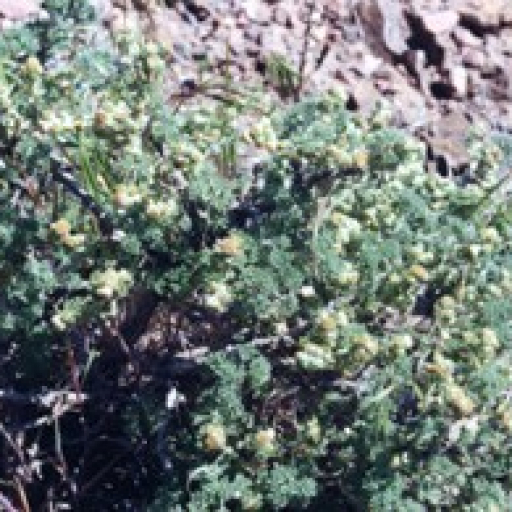
Known affectionately as Budsage, Artemisia spinescens is a resilient, low-growing shrub native to the arid high deserts of Western North America. Unlike its taller sagebrush cousins, this plant stays close to the ground, forming a protective, silvery mound that braves the harshest winds. It is often the first sign of life in the spring, waking up and blooming long before other desert plants have even stirred from their winter slumber.
🔍 How to Identify
- 🍃 The Leaves: Small, grayish-green leaves that are deeply divided into three to five narrow lobes. They are covered in fine, silvery hairs that give the plant a dusty, soft appearance.
- 🌵 The Skeleton: The branches are rigid and woody, often ending in sharp, spine-like tips. This "spiny" nature is where it gets its Latin name, spinescens.
- 🌼 The Flowers: It produces tiny, inconspicuous yellowish flower heads that grow in the leaf axils. They don't look like traditional petals; they look more like small, fuzzy "buds," which is why it’s called Budsage.
🏡 In Your Garden
- 🏜️ Extreme Tolerance: This plant is a specialist in "bad" soil. It thrives in alkaline or salty ground where other plants would wither, making it an excellent choice for xeriscaping in high-desert climates.
- 🦌 Wildlife Role: Because it greens up so early in the year, it is a vital "bridge" food source for wildlife like sage-grouse and pronghorn during the lean transition from winter to spring.
- 💧 Low Maintenance: Once established, it requires almost no supplemental water. It is a slow grower that prioritizes deep root development over rapid height, making it very sturdy but difficult to move once planted.
⚠️ Safety & Toxicity
- 🐾 Pet Safety: Budsage is generally considered non-toxic to dogs and cats, though like most members of the Artemisia family, it contains bitter volatile oils that usually discourage pets from nibbling.
- 🌿 Skin Sensitivity: Some gardeners may experience mild skin irritation or "contact dermatitis" if they handle the crushed foliage frequently, due to the concentrated essential oils.
- 👅 Bitter Taste: While not deadly, it is incredibly bitter. Historically, indigenous tribes used this bitterness for medicinal purposes, but it is not considered an edible plant for modern hobbyists.
✨ Fun Fact
Budsage is a "deciduous" desert shrub—but with a twist! It often drops its leaves and goes dormant during the hottest, driest parts of the summer to conserve water, essentially taking a "siesta" until the autumn rains or the following spring arrive.

Detailed Care Instructions

Place in a bright room that is sun drenched almost all day. Or directly in a south-facing window.

Some plants require more regular watering than others, which should be done every few days. It's critical to maintain the soil moist all of the time. The water requirements of the same plant placed in pots with varying sizes will differ. Because the water in the smaller pot evaporates faster than the water in the larger pot, it will require more watering. Regardless of pot size, the surface should constantly be maintained moist.








