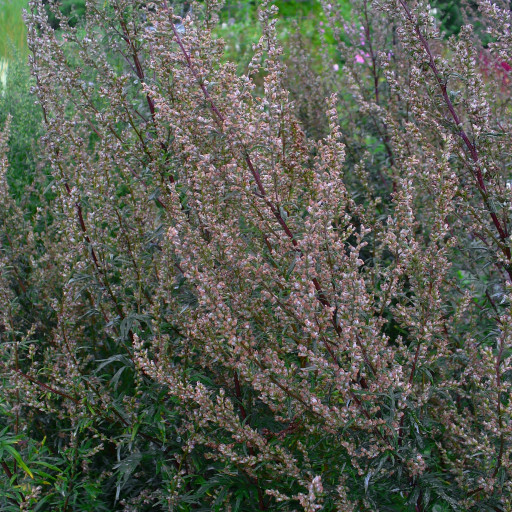
Plant Overview
Often called the "Mother of Herbs," Mugwort has been a staple in folklore and traditional medicine for centuries. Tucked under pillows to spark vivid dreams or used as a bitter flavoring in ancient ales before the rise of hops, this hardy perennial is far more than a simple roadside weed. Its silver-lined foliage and spicy, sage-like aroma make it a resilient survivor in almost any landscape.
🔍 How to Identify
- 🍃 Lobed Leaves: The leaves are deeply divided and pointed, resembling a more jagged and delicate version of a chrysanthemum leaf.
- 🌬️ Two-Toned Foliage: The most striking feature is the contrast; the top of the leaf is dark green, while the underside is covered in fine, silvery-white hairs that shimmer when caught in the wind.
- 👃 Aromatic Scent: When the leaves are crushed, they release a sharp, pleasant herbal fragrance that is distinctly earthy and spicy.
🏡 In Your Garden
- 🌱 Tough as Nails: Mugwort thrives in "neglected" spots. It prefers well-drained, sandy soil and full sun, but it is notoriously adaptable and can survive in poor, dry soil where other plants wither.
- 🚧 Space Invader: Be cautious about where you plant it. Mugwort spreads via aggressive underground rhizomes and can quickly take over a garden bed. Many gardeners prefer keeping it in large containers to prevent it from becoming a "beautiful weed."
- ✂️ Growth Habit: This plant can grow quite tall, sometimes reaching 5 feet. To keep it looking tidy and prevent it from becoming "leggy," give it a hard prune in mid-summer.
⚠️ Safety & Toxicity
- 🤰 Strict Warning: Mugwort contains thujone, a compound that can be toxic in high doses. It must be strictly avoided by pregnant individuals, as it is historically known to stimulate the uterus.
- 🤧 Allergen Alert: This plant is a prolific producer of pollen in late summer and autumn. It is one of the primary triggers for hay fever and seasonal allergies in many regions.
- 🐾 Pets & Livestock: While generally ignored by grazing animals due to its bitter taste, ingestion in large quantities can cause digestive distress in cats and dogs.
✨ Fun Fact
Roman soldiers were known to place sprigs of Mugwort inside their sandals during long marches. They believed the herb’s medicinal properties prevented their feet from becoming sore and exhausted, leading to its nickname "Waywort."

Detailed Care Instructions
| Lighting | Full Sun |
| Toxicity | Poisonous |
| Hardiness Zones | Min 5B |
To grow Artemisia Vulgaris (also known as mugwort), you can follow these steps:
- Select a location: Mugwort prefers full sun to partial shade. Find a spot in your garden that receives at least 6 hours of sunlight a day. Ensure the soil is well-draining.
- Prepare the soil: Loosen the soil in the chosen area using a garden fork or tiller. Remove any weeds or debris. You can also add compost or well-rotted manure to improve soil fertility.
- Sow seeds or transplant: If starting from seeds, sow them directly in the prepared soil, following the recommended planting depth mentioned on the seed packet. Alternately, you can purchase young Artemisia Vulgaris plants from a local nursery and transplant them into the prepared soil.
- Watering: After planting, water the soil thoroughly to ensure proper moisture. Keep the soil moist but not waterlogged throughout the growing season. Mugwort is somewhat drought-tolerant once established.
- Mulching: Apply a layer of organic mulch, such as straw or wood chips, around the plants to help conserve moisture, suppress weed growth, and regulate soil temperature.
- Maintenance: Mugwort is a low-maintenance plant, but it can become invasive if not controlled. Trim back any overgrowth to maintain shape and prevent spreading. Regularly check for pests or diseases and take appropriate measures if necessary.
- Harvesting: You can harvest mugwort leaves and stems for culinary or medicinal purposes. Wait until the plants have reached a suitable size before harvesting, usually when they are 8-12 inches tall. Cut the stems just above the base, leaving some foliage to allow regrowth.
Remember, mugwort can grow aggressively, so keep an eye on it and take measures to prevent it from spreading beyond desired areas. Additionally, consult local gardening guides or experts for specific recommendations based on your region's climate and growing conditions.

Place in a window with dappled sun or a spot in the middle of a room. Or directly in a window facing west or east.

To properly water this plant, it is important to consider its specific watering needs based on its native habitat. This particular plant prefers well-drained soil, so it is important to avoid overwatering it as this can lead to root rot. It is best to allow the top inch of soil to dry out before watering again, and to water deeply and thoroughly until water drains out of the bottom of the pot. Additionally, it is important to avoid getting water on the leaves as this can lead to fungal issues.
To fertilize this plant, use an all-purpose fertilizer with a balanced NPK (ratio of nitrogen, phosphorus, and potassium) once a month during the growing season. Make sure to follow the manufacturer's instructions for application rate and frequency. Avoid over-fertilizing, as this can lead to excessive growth and decrease the plant's overall health. Additionally, consider using organic fertilizers, such as compost or aged manure, to provide a slow-release source of nutrients for the plant over time.
The optimal soil for Artemisia Vulgaris should be well-draining, with a pH level between 6.0 and 7.5. The soil should be rich in nutrients with good water retention capacity. Adding organic matter, such as compost or aged manure, to the soil can improve its nutritional content and water retention. It is also recommended to mix sand and perlite with the soil for faster drainage. The plant prefers full sun to partial shade, and regular watering is required to maintain soil moisture.
Artemisia Vulgaris plant can be easily propagated through a variety of methods. The most common way is to take cuttings from the mother plant and root them in soil or water. Another option is to divide the plant by separating its roots and replanting them in separate containers or areas. Seeds can also be harvested from the plant and planted in soil for germination. It is important to ensure that the new plants are watered regularly and receive adequate sunlight to promote healthy growth.








