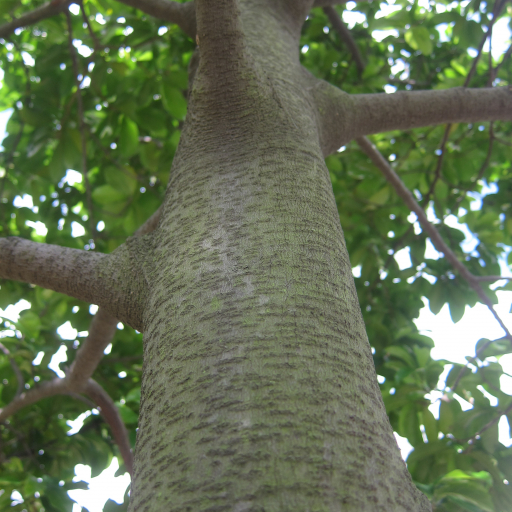
Plant Overview
Known as the "Shiny-leaf Breadfruit" or Butong in Southeast Asia, Artocarpus nitidus is the sleek, understated cousin of the massive Jackfruit. While it doesn't produce the giant, heavy fruits its famous relatives are known for, it is highly prized for its beautiful, polished canopy and its role as a "forest pharmacy" in traditional medicine. In its native rainforests, it serves as an essential pit-stop for tropical birds and monkeys seeking a sweet snack.
🔍 How to Identify
- 🍃 Glossy Foliage: The most striking feature is the foliage; the leaves are deep green, leathery, and have a polished, "shiny" (nitidus) appearance on the upper surface that reflects sunlight.
- 🥭 Miniature Fruits: Unlike the giant Jackfruit, these fruits are small, often the size of a tennis ball. They are round or irregular, with a velvety skin that shifts from green to a dull yellow or orange when ripe.
- 🌳 Dense Canopy: It typically grows into a medium-sized tree with a thick, spreading crown that creates deep, cool shade, making it a favorite for natural cooling in tropical landscapes.
🏡 In Your Garden
- 🌱 Root Sensitivity: This tree develops a strong taproot early on, which means it hates being moved. If you are planting one, choose its "forever home" carefully, as transplanting a semi-mature tree often leads to failure.
- 💧 Drainage is Key: While it loves tropical humidity, it cannot tolerate "wet feet." It requires loamy, acidic soil that allows water to pass through quickly to prevent root rot.
⚠️ Safety & Toxicity
- 🥛 Sticky Latex: Like most members of the Moraceae family, the tree contains a thick, milky white sap. This latex is very sticky and can cause mild skin irritation or allergic reactions in some people.
- 🐾 Pet Caution: While the fruit flesh is technically edible, the high fiber content and the sticky sap can cause digestive distress or choking hazards for small dogs or cats if they chew on the fallen fruit.
✨ Fun Fact
In many Southeast Asian cultures, the bark of the Artocarpus nitidus was historically used to create a natural dye. When processed correctly, it yields a rich, earthy yellowish-brown pigment that was traditionally used to color the robes of forest monks.

Detailed Care Instructions
To grow Artocarpus nitidus, also known as keledang or marang, you can follow these steps:
- Obtain seeds or seedlings: You can purchase seeds or seedlings from local plant nurseries or online suppliers specializing in tropical plants.
- Choose a suitable location: Artocarpus nitidus thrives in warm tropical climates. Select a sunny spot in your garden that receives at least 6-8 hours of direct sunlight daily. It prefers well-draining soil.
- Prepare the soil: Before planting, prepare the soil by loosening it and removing any weeds or debris. Incorporate organic matter like compost or aged manure to improve soil fertility and drainage.
- Planting seeds or seedlings: If you have seeds, soak them in water for 24 hours prior to planting. Plant the seeds or seedlings in the prepared soil, ensuring they are spaced about 3-5 feet apart. Plant the seeds or seedlings at a depth of about 1-2 inches.
- Watering: Water the plant regularly, keeping the soil consistently moist but not waterlogged. Ensure proper drainage to avoid water accumulation that may cause root rot.
- Mulching: Apply a layer of mulch around the base of the plant to help retain moisture, suppress weed growth, and regulate soil temperature.
- Pruning: As the plant grows, pruning may be required to shape the tree and remove dead or diseased branches. Pruning should be done during the dormant season, preferably in late winter or early spring.
- Fertilization: Apply a balanced, slow-release fertilizer once or twice a year, following the manufacturer's instructions. Organic fertilizers, like compost or well-rotted manure, can also be used.
- Pests and diseases: Monitor the plant for any signs of pests or diseases, such as mealybugs or leaf spot. Treat affected plants with appropriate insecticides or fungicides, following the recommended guidelines.
- Harvesting: Artocarpus nitidus typically takes about 3-5 years to bear fruit. The fruit is harvested when it is fully ripe and has a pleasant aroma. Use a sharp knife to cut the fruit from the tree, being careful not to damage the branches.
Remember, growing Artocarpus nitidus requires patience as it is a slow-growing tree. It's important to provide consistent care and create suitable growing conditions to ensure successful growth.
There are a few important things to consider when watering this particular plant. First, it is important to ensure that the soil is consistently moist but not waterlogged. This can be achieved by watering deeply and then allowing the top layer of soil to dry out slightly before watering again.
It is also important to avoid watering the leaves of the plant, as this can lead to fungal growth and other issues. Instead, it is best to water directly at the base of the plant, ideally using a drip irrigation system or a watering can with a spout that allows for precise targeting of the soil.
Finally, it is important to pay attention to the natural environment in which this plant is typically found. Depending on the specific species and location, this plant may be adapted to relatively dry or moist conditions, and adjusting watering accordingly can help it thrive.
For optimal growth and fruit production, it is recommended to fertilize the Artocarpus Nitidus plant with a balanced fertilizer every 2-3 months during the growing season. Use a slow-release fertilizer or a combination of organic and inorganic fertilizers to provide essential nutrients, particularly nitrogen, phosphorus, and potassium. Be careful not to over-fertilize, as excessive amounts of nutrients may harm the plant and affect fruit quality. Always follow product instructions and dilute liquid fertilizers before applying to the soil around the base of the plant. Additionally, it is important to maintain adequate soil moisture and provide sufficient sunlight for healthy growth.
The ideal soil for the Artocarpus Nitidus plant is one that is loamy and well-draining. It should be rich in nutrients and have a neutral pH level of around 6.5 to 7.5. The soil should also be able to retain moisture while also allowing excess water to drain away easily. Adding organic matter, such as compost or well-rotted manure, to the soil can help improve its fertility and drainage capabilities. Avoid using heavy clay soils or soils that are prone to water logging, as these can lead to root rot and other issues with the plant's overall health and growth. Additionally, it is important to ensure the soil is free from any contaminants or pollutants that could harm the plant or affect its fruit production.
Artocarpus nitidus can be propagated through several methods, including seed germination, stem cuttings, air layering, and grafting.
Seed germination involves collecting ripe fruits from the plant, extracting the seeds, and planting them in well-draining soil. The seeds should be covered lightly with soil and kept in a warm and humid environment until they germinate.
Stem cuttings can be taken from a healthy stem of the plant, with a sharp, sterilized knife. The cutting should be around 15-20 centimeters in length, and the lower leaves should be removed. The cutting can then be dipped in rooting hormone and planted in well-draining soil, kept moist and in a warm area until it develops roots.
Air layering involves making a small cut on a healthy stem, covering it with moist sphagnum moss and wrapping it with plastic wrap or aluminum foil. This will encourage roots to develop from the cut. Once roots have formed, the stem cutting can be removed and planted in a pot with well-draining soil.
Grafting involves taking a stem cutting from the Artocarpus nitidus plant and attaching it onto the rootstock of a related plant. This method is often used in commercial nurseries to preserve the desirable traits of the plant.








