Plant Overview
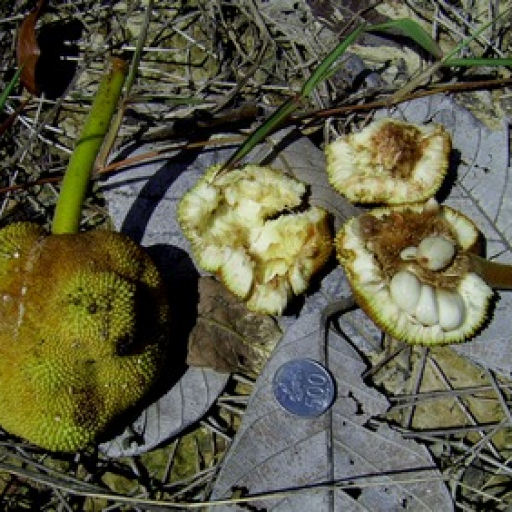
Known famously as the Marang or Terap, this tropical treasure is the fragrant, softer cousin of the Jackfruit and Breadfruit. Hailing from the lush rainforests of Borneo and the Philippines, it is often considered the most delicious of all Artocarpus species due to its creamy, custard-like flesh. While its scent is incredibly potent—giving it the Latin name odoratissimus (the most fragrant)—the flavor is a heavenly blend of banana, pineapple, and pear.
🔍 How to Identify
- 🍐 The Fruit: Unlike the hard, sharp bumps of a jackfruit, the Marang is covered in soft, flexible, hair-like spines that turn from green to yellow-brown as it ripens.
- 🍃 The Leaves: The leaves are massive, often reaching up to 20 inches long. They are thick, rough to the touch (like sandpaper), and have a broadly elliptical shape with distinct veins.
- 🌳 The Stature: This is a majestic evergreen tree that can grow quite tall, featuring a straight trunk and a dense, spreading canopy that provides deep shade.
🏡 In Your Garden
- 💧 Thirsty & Tropical: The Marang is a true child of the tropics; it thrives in high humidity and requires consistent moisture. It has a very shallow root system, meaning it can suffer quickly during dry spells and prefers a thick layer of mulch to keep its "feet" cool.
- 🌬️ Wind Protection: Because the wood is somewhat brittle and the leaves are so large, the tree can be easily damaged by strong winds. It is best planted in a sheltered spot where it can soak up the sun without being battered by storms.
⚠️ Safety & Toxicity
- ✅ Safe & Edible: The fruit pulp is perfectly safe and highly nutritious for humans. Even the seeds are edible if roasted or boiled, tasting similar to chestnuts.
- 🧪 Sticky Latex: Like many members of the Moraceae family, the tree produces a milky white sap (latex) when cut. While not typically toxic, it is incredibly sticky and can cause mild skin irritation or allergic reactions in sensitive individuals or pets.
- 🐶 Pet Note: While the fruit is non-toxic, the high sugar content and large seeds mean you should keep your furry friends away from the fallen fruit to avoid digestive upset or choking hazards.
✨ Fun Fact
The Marang is a "live fast, die young" fruit. Once it reaches peak ripeness, it stays perfect for only a few days. In local markets, vendors often "crack" the fruit open with their bare hands to show off the snowy white bulbs inside, which must be eaten almost immediately before they oxidize and lose their delicate flavor!

Detailed Care Instructions
To grow Artocarpus odoratissimus, commonly known as marang or johey oak, follow these steps:
- Germination: Start by obtaining the seeds of the plant. Soak the seeds overnight in water to help soften their hard outer shells and promote germination.
- Potting: Fill a pot with well-draining soil mix (equal parts potting soil, sand, and perlite) and make a small hole in the center. Sow the seeds about 1 inch deep in the soil and cover them gently. Water the pot and ensure the soil remains moist but not waterlogged.
- Placement: Place the pot in a warm and bright area where it receives indirect sunlight. Provide a temperature between 77-86°F (25-30°C) for successful germination.
- Watering: Water the plant regularly, keeping the soil consistently moist. Avoid overwatering as it can cause root rot. Use a spray bottle to mist the leaves occasionally to maintain humidity.
- Fertilization: After the plant has developed a few sets of true leaves, apply a balanced liquid fertilizer once every two weeks during the growing season (spring and summer). Follow the package instructions for proper dilution.
- Transplanting: Once the plant outgrows its initial pot, it can be transplanted into a larger container or into the ground. Choose a sunny spot in your garden with well-draining soil. Dig a hole twice the size of the root ball and gently place the plant in the hole. Backfill with soil, firm it down, and water thoroughly.
- Pruning: As the plant grows, you can remove any dead or damaged leaves to keep it looking neat. Prune any low-hanging branches to encourage an upright growth habit.
- Maintenance: Regularly check for pests like aphids, mealybugs, or scales, and treat them promptly with natural insecticidal soap or neem oil if necessary. Ensure the plant receives adequate water and sunlight.
- Fruit maturity: Artocarpus odoratissimus usually takes 2-3 years to produce fruits. The immature fruit is green, and as it matures, it turns yellowish-brown with a strong, pleasant aroma. Harvest the fruit when the skin is slightly soft to the touch and the fruit yields slightly when pressed.
Remember that Artocarpus odoratissimus is a tropical plant, so if you live in a cooler or temperate region, it may need to be grown in a greenhouse or as a container plant indoors.
To water this plant, first consider the environment it is in. The frequency and amount of water needed will depend on factors such as the temperature, humidity, and amount of natural light it receives.
Before watering, ensure that the soil is dry to the touch and not waterlogged.
When watering, aim to give the plant a deep and thorough soak, allowing the water to fully saturate the soil. It is important to avoid getting water on the leaves or stems, as this can cause fungal growth and other issues.
If you are unsure about the watering needs of this particular plant, consult a gardening guide or expert for more information.
To properly fertilize this plant, you should use a balanced fertilizer with equal amounts of nitrogen, phosphorus, and potassium. Apply the fertilizer once a month during the growing season, which is typically from spring through summer. Be sure to follow the instructions on the fertilizer packaging for the correct application rate. Over-fertilizing can cause damage to the plant, so avoid applying too much. Additionally, water the plant thoroughly after fertilizing to ensure that the nutrients are absorbed properly.
The Artocarpus Odoratissimus plant requires a well-draining and nutrient-rich soil. It should be composed of a mixture of organic matter, such as compost or leaf mold, and coarse sand or perlite to ensure adequate drainage. The pH of the soil should be slightly acidic, between 5.5 and 6.5. Additionally, it is important to ensure that the soil is not compacted as this can restrict root growth and cause poor drainage. Overall, the ideal soil for this plant will provide adequate moisture retention while also allowing excess water to drain away easily.
To propagate this plant, you will need to follow a few simple steps. Firstly, select a healthy and mature plant from which to take a cutting. Use a sharp, sterilized tool to take a stem cutting that is approximately 6-8 inches long with a few leaves attached.
Next, remove any leaves from the lower part of the stem and dip the cut end in rooting hormone powder. Place the cutting in a pot filled with a well-draining potting mix and water thoroughly.
Cover the pot with a plastic bag to create a humid environment and keep the cutting out of direct sunlight. Water the cutting as needed to keep the soil moist. After several weeks, the cutting should start to show signs of rooting by producing new growth.
Once the cutting has established roots and new growth, gradually acclimate it to brighter light and lower humidity by slowly removing the plastic covering and moving it to a brighter location.
Keep the new plant in a warm and humid environment until it has fully adapted to its new surroundings. With proper care and attention, the newly propagated plant should continue to grow and thrive for years to come.








