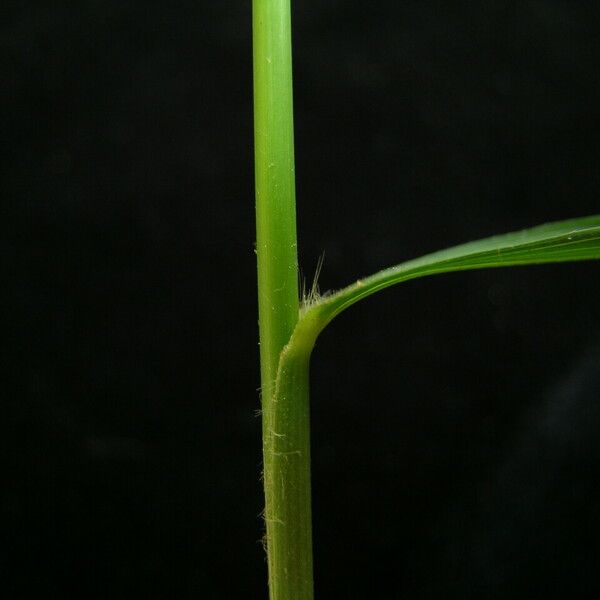
Plant Overview
Often called the Himalayan Reedgrass, this resilient beauty hails from the high altitudes of Nepal and across Asia. It is the silent sentinel of the mountains, often seen swaying gracefully along riverbanks and rocky outcrops, holding the earth together with its stubborn roots. Whether found in the wild or used in a landscape, it brings a sense of airy movement and rugged elegance to its surroundings.
🔍 How to Identify
- 🌾 Growth Habit: It forms dense, elegant tufts (clumps) that can reach heights of nearly six feet in ideal conditions, though it often stays more compact in garden settings.
- 🍂 Seed Heads: The plant produces airy, feathery panicles (flower clusters) that often shimmer with a delicate purplish or brownish hue when they catch the morning light.
- 🌿 Leaf Texture: The leaves are slender, long, and pointed, with a slightly rough or "scabrid" feel if you run your fingers carefully along the edges.
🏡 In Your Garden
- 🏔️ The Ultimate Survivor: This grass is a specialist in poor, rocky soils where other plants might struggle. It is an excellent choice for "problem areas" like steep slopes where you need to prevent soil erosion.
- 🌬️ Movement & Structure: Unlike stiff, upright grasses, Himalayan Reedgrass has a flexible, swaying motion. It adds a "wild" aesthetic to a landscape and provides excellent winter interest if the dried stalks are left standing.
⚠️ Safety & Toxicity
- ✅ Non-Toxic: Himalayan Reedgrass is generally considered safe and non-toxic for cats, dogs, and horses.
- 🩹 Mechanical Irritation: While not poisonous, the leaf edges can be quite sharp. It is wise to wear gardening gloves when pruning or dividing the plant to avoid minor skin nicks or "grass cuts."
✨ Fun Fact
In various parts of its native range in the Himalayas, the sturdy, dried stems of Arundinella nepalensis are harvested and bundled together to create traditional sweeping brooms used in mountain villages!

Detailed Care Instructions
To grow Arundinella Nepalensis, follow these steps:
- Choose the right growing conditions: Arundinella Nepalensis thrives in well-draining soil with a slightly acidic to neutral pH. It prefers partial shade to full sun.
- Obtain seeds or young plants: You can either collect seeds from mature plants or purchase them from a reliable nursery or seed supplier. Alternatively, you can also obtain young plants.
- Prepare the soil: Clear the area of weeds, rocks, and debris. Loosen the soil and mix in organic matter like compost to improve drainage and provide nutrients.
- Sow seeds or plant young plants: If using seeds, sow them directly into the prepared soil. Lightly cover the seeds with soil and water gently. If using young plants, dig a hole slightly larger than the plant's root ball and place it in the hole. Fill the hole with soil and tamp it down gently.
- Water regularly: Keep the soil consistently moist but not waterlogged. Water deeply and thoroughly, allowing the soil to dry slightly between waterings. Avoid overwatering to prevent root rot.
- Mulch the area: Apply a layer of organic mulch around the plants to retain moisture, suppress weed growth, and maintain consistent soil temperatures.
- Provide occasional fertilization: Arundinella Nepalensis doesn't require heavy fertilization but can benefit from a general-purpose fertilizer once or twice during the growing season. Follow the instructions on the fertilizer package for application rates.
- Prune if necessary: As Arundinella Nepalensis grows, you can trim back any dead or damaged foliage to promote healthy growth. Pruning is not always required but can help maintain a neat appearance.
- Monitor for pests and diseases: Keep an eye out for any signs of pests or diseases such as aphids, leaf spot, or fungal infections. Treat as necessary with organic or chemical remedies.
- Allow for natural propagation: Arundinella Nepalensis can self-seed and spread through its prolific seed production. Over time, it may form dense clumps or patches.
Remember to consult local gardening resources or experts for specific recommendations tailored to your region's climate and growing conditions.

Place in a bright room that is sun drenched almost all day. Or directly in a south-facing window.
Arundinella nepalensis is a plant that requires proper watering to thrive. Here are some details on how to water this particular plant:
- Understand the water requirements: Arundinella nepalensis prefers consistently moist soil, but not soggy conditions. It is important to strike a balance between adequate hydration and avoiding waterlogging.
- Determine the watering frequency: The watering frequency largely depends on factors such as soil type, weather conditions, and the plant's growth stage. As a general guideline, water Arundinella nepalensis when the top inch of the soil feels dry to the touch.
- Water deeply: It is crucial to provide a deep watering session to ensure that water reaches the root zone. Shallow watering may encourage shallow root growth, which can make the plant less resilient to drought.
- Use the right watering technique: Pouring water directly onto the soil around the base of the plant is the best way to water Arundinella nepalensis. Avoid wetting the leaves excessively, as it can lead to fungal diseases.
- Consider the growing season: Arundinella nepalensis may have different water requirements during different growth stages. It generally needs more water during active growth periods, such as spring and summer, and less during dormant or cool seasons.
- Monitor drainage: Ensure that the container or the planting site allows excess water to drain away. Waterlogged soil can cause root rot and lead to the decline of the plant.
- Mulch the soil: Applying a layer of organic mulch around the base of the plant can help retain moisture in the soil, preventing rapid evaporation and maintaining a more consistent moisture level.
- Adjust watering during extreme weather: During periods of heavy rainfall, you may need to reduce watering to prevent over-saturation of the soil. Likewise, during hot and dry spells, you may need to water more frequently to avoid dehydration.
Remember, these guidelines are for general watering practices. It is essential to observe the specific needs of your Arundinella nepalensis and adjust the watering regimen accordingly.
To fertilize Arundinella nepalensis, follow these instructions:
- Choose a balanced, water-soluble fertilizer with equal amounts of nitrogen (N), phosphorus (P), and potassium (K). These three essential nutrients are usually represented by numbers such as 10-10-10 or 20-20-20.
- Dilute the fertilizer according to the manufacturer's instructions. It is important not to exceed the recommended dosage, as this may harm the plant.
- Apply the diluted fertilizer solution around the base of the Arundinella nepalensis plant, avoiding direct contact with the foliage.
- Water the plant thoroughly after fertilizing to help the nutrients reach the roots.
- Repeat the fertilization process every 4-6 weeks during the growing season, which typically coincides with spring and summer.
- Monitor the plant's response to the fertilizer. If you notice any signs of fertilizer burn (e.g., yellowing or browning of leaves), reduce the amount of fertilizer or frequency of application.
- It is generally advisable to avoid fertilizing Arundinella nepalensis during the dormant period, which usually occurs in late fall or winter. Resume fertilization in the next growing season.
Remember to always read and follow the specific instructions provided by the fertilizer manufacturer, as different products may have different application rates or guidelines for specific plants.
Arundinella nepalensis is a type of grass native to the Himalayan region. When selecting soil for this plant, it is important to consider its natural habitat and requirements. This helps ensure optimal growth and development. Arundinella nepalensis thrives in loamy or sandy loam soil that is well-draining and rich in organic matter. It prefers a slightly acidic to neutral pH range of 6.0-7.5. The soil should ideally retain moisture but not become waterlogged, as excessive moisture can lead to root rot and other issues. Providing a fertile soil with good drainage will help support the plant's vigorous growth, as well as encourage root development and nutrient uptake.
Arundinella nepalensis is a perennial grass species native to Nepal and parts of Asia. Propagating this plant can be done through various methods, including seed propagation and division. Here's a detailed explanation of each method:
- Seed Propagation:
- Collect mature seeds from the Arundinella nepalensis plant. Look for seeds that are dry, firm, and have a dark brown color.
- Prepare a pot or seed tray with a well-draining potting mix. Make sure the soil is moist but not waterlogged.
- Sow the seeds on the soil surface, spacing them evenly and covering them lightly with a thin layer of the potting mix.
- Place the pot or seed tray in a warm and well-lit area with indirect sunlight.
- Keep the soil consistently moist by lightly misting it or using a spray bottle. However, avoid overwatering as excessive moisture can lead to fungal diseases.
- Germination typically takes around 2-4 weeks. Once the seedlings develop their second set of leaves, you can transplant them into individual pots or a prepared garden bed.
- Division:
- Choose a healthy, mature Arundinella nepalensis plant that has produced multiple clumps or has grown considerably in size.
- Carefully dig up the plant, ensuring that you have a substantial portion of the root system attached.
- Gently separate the clumps or divisions by teasing apart the roots with your hands or using clean gardening tools like a sharp knife or garden fork.
- Trim any damaged or rotting roots and remove any dead or unhealthy portions of the plant.
- Prepare a pot or a prepared garden bed with well-draining soil.
- Plant each division separately, making sure the roots are adequately covered with soil and the plant is firmly positioned.
- Water the newly planted divisions thoroughly, ensuring the soil is moist but not waterlogged.
- Place the pots or the garden bed in a location with partial shade, protecting the plants from direct sunlight until they establish themselves in their new environment.
- Continue to provide regular moisture and care to the divisions, adjusting watering frequency based on the surrounding environmental conditions.
Both seed propagation and division methods can be successful in propagating Arundinella nepalensis. It is important to provide the plant with suitable growing conditions, including well-draining soil, adequate moisture, and appropriate light levels, to ensure successful establishment and growth.








