Plant Overview
Often called "Canada Wild Ginger" or "Snakeroot," this woodland beauty is a master of disguise. While it shares the spicy scent of the culinary ginger used in your kitchen, it belongs to an entirely different family and should never be used as a substitute in recipes. It serves as a lush, velvety carpet for the darkest corners of the garden, hiding its most mysterious features right against the soil.
🔍 How to Identify
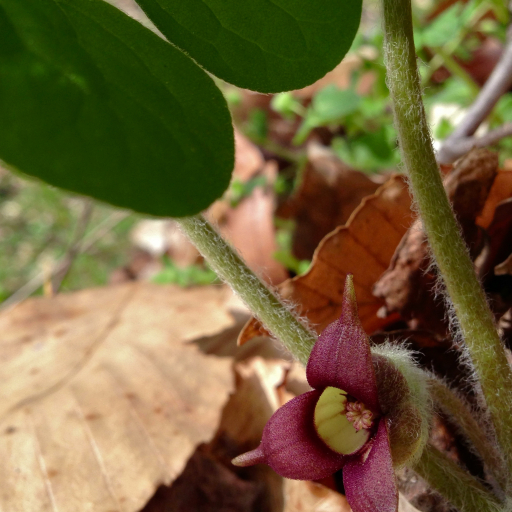
- 🍃 The Leaves: Large, kidney or heart-shaped leaves that usually grow in pairs. They have a distinct matte finish and are covered in soft, fine hairs that give them a velvety feel.
- 🌸 The "Hidden" Flower: A singular, cup-shaped, brownish-purple flower that lacks traditional petals. It grows at the very base of the plant, often completely tucked away beneath leaf litter.
- 🌱 Growth Habit: A low-growing perennial groundcover that spreads slowly via underground rhizomes, creating a dense green mat roughly 6 to 12 inches high.
🏡 In Your Garden
- 🌑 Shade Specialist: This plant is a hero for "deep shade" or woodland gardens where most flowers struggle. It thrives under the canopy of deciduous trees where the soil stays cool.
- 🐜 Ant Ambassadors: Wild Ginger relies on a process called myrmecochory. Its seeds have a fatty attachment called an elaiosome that attracts ants; the ants carry the seeds back to their nests, effectively "planting" the next generation.
- 🍂 Leaf Litter Lover: It hates "clean" soil. To keep it happy, leave the fallen leaves around it in the autumn—this mimics its natural forest floor habitat and provides the organic matter it craves.
⚠️ Safety & Toxicity
- 🚫 Not Edible: Despite the name and the ginger-like aroma of its crushed roots, this plant contains aristolochic acid. This compound is a known nephrotoxin (damaging to kidneys) and a carcinogen.
- 🐾 Pets & Kids: While it is generally safe to touch, it should never be ingested by humans or pets. Some sensitive individuals may experience mild skin irritation after handling the roots extensively.
✨ Fun Fact
Because its flowers are dark, fleshy, and located on the ground, they are designed to look and smell like rotting organic matter to attract small flies and gnats—a clever strategy for a plant living in the shadows!

Detailed Care Instructions
To grow Asarum canadense, also commonly known as wild ginger, you can follow these steps:
- Choose the right location: Asarum canadense thrives in moist, shaded areas with well-draining soil. Select a spot in your garden that receives partial to full shade throughout the day.
- Prepare the soil: Before planting, amend the soil with organic matter, such as compost, to improve drainage and enrich fertility.
- Planting method: Asarum can be propagated by either seeds or divisions. If using seeds, sow them in a seed tray or pots filled with moist, well-draining potting soil. Press them lightly into the soil and keep it consistently moist. If using divisions, separate the mature rhizomes and plant them directly in the ground.
- Watering: Water newly planted Asarum canadense regularly, keeping the soil consistently moist but not overly saturated. Once established, it can tolerate dry spells, but it still prefers moist conditions, so regular watering is recommended.
- Mulching: Apply a layer of organic mulch around the plants to help conserve moisture, suppress weed growth, and maintain an even soil temperature.
- Fertilization: Generally, Asarum canadense doesn't require frequent fertilization. However, you can apply a balanced organic fertilizer in early spring to provide a nutrient boost.
- Maintenance: Wild ginger is a relatively low-maintenance plant. Remove any weeds or competing plants near it regularly. Trim back any dead or damaged leaves in late winter or early spring.
- Propagation: Over time, the plant will spread through rhizomes. If desired, you can divide the clumps every few years to control its spread or to propagate more plants.
- Pests and Diseases: Asarum canadense is generally resistant to most pests and diseases. However, keep an eye out for slugs, snails, or leaf-spot diseases. Handpick any pests you find and apply organic pest control methods if necessary.
With proper care and ideal conditions, Asarum canadense should thrive and spread in your garden, offering its attractive foliage and unique flowers.

Place in a window with dappled sun or a spot in the middle of a room. Or directly in a window facing west or east.

Asarum Canadense is a plant that requires consistent moisture in order to thrive, but it is important to ensure that it is not overwatered. To water this plant, one should wait until the top inch or so of soil is dry before giving it a thorough watering. It is important to water deeply, ensuring that the water reaches the roots of the plant. It is recommended to water this plant from the bottom by placing it in a saucer of water and allowing the water to be absorbed through the drainage holes in the bottom of the pot. However, if watering from the top, one should be careful to avoid getting water on the leaves which can lead to disease issues. It is also important to avoid letting the plant sit in standing water, as this can cause root rot. The frequency of watering will depend on factors such as the temperature and humidity of the environment, as well as the size of the pot and the amount of sunlight the plant receives.
To fertilize this plant, use a slow-release, balanced fertilizer with a ratio of 10-10-10 or 12-12-12. Apply the fertilizer in early spring, just as new growth begins to emerge. Use a trowel to work the fertilizer into the top layer of soil around the base of the plant, being careful not to disturb the roots. Water thoroughly after fertilizing. Avoid over-fertilizing, as this can damage the plant and harm nearby water sources.
Asarum canadense plant requires a well-draining soil that is rich in organic matter. The ideal soil for this plant should have a pH range between 5.5 and 6.5. It is recommended to use a soil that is well-aerated and has good water holding capacity. The soil should be moist but not waterlogged, and it should never be allowed to dry out completely. The plant prefers shaded and humid conditions, so it is advisable to keep the soil consistently moist. Organic matter such as compost can be added to the soil to improve its quality, which will help the plant to grow healthy and strong. It is important to avoid using soils that are contaminated with chemicals or heavy metals, as the Asarum canadense plant is sensitive to these substances and may not grow well in such soils.
Asarum canadense is a plant species that can be propagated through division or seeds.
Propagation by division involves the separation of the plant's rhizomes. The rhizomes should be dug up and separated into smaller sections, each with at least one bud or shoot. These sections can then be replanted in a new location or in separate containers. Planting should occur in the early fall or early spring when the plant is not in active growth.
Propagation by seed involves collecting the small, black seeds from the plant in late summer or early fall. The seeds should be cleaned and then soaked in water for 24 hours. They can then be planted in a mixture of potting soil and sand and kept moist until germination occurs. Germination can take up to several months.
Once the seedlings have reached a significant size, they should be transplanted into a larger pot or directly into the ground. Care should be taken to keep the soil moist and in a shaded area until the new plants have established themselves.
Common pests of the canadian wild ginger include Thrips, snails. Make a habit of checking your canadian wild ginger frequently for pests so that any infestations can be caught and managed early.








