Plant Overview
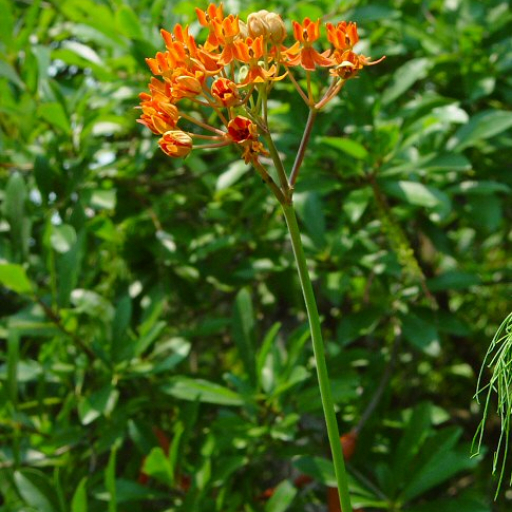
Known as the Fewflower Milkweed or Cedar Hill Milkweed, this elegant perennial is the slender aristocrat of the southern wetlands. Native to the coastal plains of the Southeastern United States, it is prized for its brilliant, flame-colored blooms that seem to float precariously atop tall, reed-like stems. Unlike its more boisterous cousins that crowd their flowers together, this species favors a "less is more" aesthetic, making it a sophisticated addition to any bog garden or rain-heavy landscape.
🔍 How to Identify
- 🔥 The Flowers: Small, star-shaped blossoms in striking shades of vivid orange or reddish-vermilion. They appear in loose clusters (umbels) at the very top of the plant.
- 🗡️ The Foliage: True to its name (lanceolata), the leaves are long, very narrow, and lance-shaped. They are spaced widely apart along the stem, giving the plant a delicate, airy appearance.
- 📏 The Stature: Surprisingly tall but very thin; it can reach heights of 3 to 5 feet, often swaying gracefully in the wind above shorter marsh grasses.
🏡 In Your Garden
- 💧 Wet Feet Required: This isn't your average garden milkweed. In the wild, it lives in swamps, wet pinelands, and marshes. In a home setting, it thrives in low-lying areas that stay consistently moist or near the edges of decorative ponds.
- ☀️ Sun Seeker: To produce those fiery orange pigments, it needs plenty of direct sunlight. It is perfectly adapted to the intense heat and humidity of the South.
- 🌱 The Taproot Rule: Like most members of the Asclepias genus, it develops a deep taproot. It hates being moved once established, so choose its "forever home" carefully to avoid transplant shock.
⚠️ Safety & Toxicity
- 🚫 Toxic if Ingested: Like all milkweeds, the milky white sap contains cardiac glycosides. This is what makes Monarch butterflies toxic to predators, but it is dangerous for mammals.
- 🐾 Pet & Child Safety: Keep this plant away from curious pets or toddlers. Ingestion can cause nausea, vomiting, or more serious heart-related issues in large quantities.
- 🧤 Skin Irritant: The sap can be irritating to the skin and is particularly painful if it gets into your eyes. It is best to wear gloves when pruning or handling a broken stem.
✨ Fun Fact
While it’s called "Fewflower" milkweed, what it lacks in quantity, it makes up for in quality! It is considered one of the highest-value nectar sources for the Monarch butterfly, providing a "high-octane" fuel stop for them during their long migration journeys.

Detailed Care Instructions
To grow Asclepias lanceolata, commonly known as the common milkweed or western milkweed, you can follow these steps:
- Obtain seeds: Purchase Asclepias lanceolata seeds from a reputable seed supplier or collect seeds from mature milkweed plants when the seed pods have turned brown and started to split open.
- Choose the right location: Common milkweed requires a sunny location with well-draining soil. Select an area with at least six hours of direct sunlight per day.
- Prepare the soil: Remove any weeds or grass from the selected planting area. Loosen the soil by tilling or digging and amend it with organic matter, such as compost, to improve drainage and nutrient content.
- Sow the seeds: Scatter the Asclepias lanceolata seeds over the prepared soil. Ideally, do this in late autumn or early spring to mimic the plant's natural germination patterns. Alternatively, you can stratify the seeds by placing them in a plastic bag with a damp paper towel and chilling them in the refrigerator for four to six weeks before sowing.
- Cover and water: After sowing the seeds, lightly cover them with a thin layer of soil or compost. Water the area gently to moisten the soil without soaking it. Keep the soil consistently moist until germination occurs, usually within one to two weeks.
- Thin out seedlings: Once the seedlings have reached a few inches in height, thin them out to provide ample space between the plants. Leave only the strongest and healthiest seedlings, removing the weaker ones.
- Mulch and maintain: Apply a layer of mulch (such as straw or wood chips) around the plants to help retain moisture and suppress weed growth. Water the plants regularly, especially during dry periods. Avoid overwatering, as milkweed prefers moderately moist soil.
- Provide support if needed: Some Asclepias lanceolata plants may require support as they grow taller. Consider using stakes or cages to prevent them from falling over.
- Monitor for pests and diseases: Check the plants regularly for signs of pests, such as aphids or milkweed bugs, and promptly address any issues. Be aware that monarch butterfly caterpillars are attracted to milkweed plants and may feed on the foliage.
- Enjoy and propagate: Asclepias lanceolata will produce clusters of small, fragrant, yellow flowers that attract butterflies and bees. After flowering, seed pods will develop. You can either allow the seeds to disperse naturally or collect them for future propagation.
Remember that milkweed is an essential host plant for monarch butterflies, so by growing Asclepias lanceolata, you are providing valuable habitat for these beautiful insects.

Place in a bright room that is sun drenched almost all day. Or directly in a south-facing window.

To water this plant, thoroughly soak the soil until water begins to flow out of the drainage holes at the bottom of the container or ground. Allow the soil to slightly dry out before watering again to prevent overwatering and root rot. Additionally, it may be beneficial to mulch around the base of the plant to retain moisture in the soil. Avoid getting water on the leaves or flowers to prevent fungal diseases.
In early spring, sprinkle a slow-release, high-phosphorus fertilizer around the base of the plant. Water deeply to ensure the nutrients penetrate the soil. Throughout the growing season, apply a balanced fertilizer every 4-6 weeks to promote healthy foliage and flower production. Avoid using too much nitrogen, as this can promote foliage growth at the expense of flowers. Always follow the package instructions for proper application rates and timing.
The soil that is suitable for Asclepias Lanceolata plant is a well-draining, sandy loam soil that does not retain too much moisture. It should have a pH level between 6.5 and 7.5. The plant prefers soil that is slightly acidic to neutral. It is best to amend the soil with organic matter such as compost or well-rotted manure to help improve its fertility and nutrient content. The soil should also be free of any weeds or pathogens that could harm the plant. Additionally, the plant prefers full sun exposure, so it is best to plant it in an area where it will receive at least six hours of direct sunlight daily.
To propagate this plant without using its common names, you can follow these steps:
- Obtain a mature plant from a nursery or garden center, or locate a wild plant in its native habitat.
- When the plant has finished flowering for the season, collect seeds from the pods that form after the flowers fade. Store the seeds in a cool, dry place until you are ready to plant them.
- In the spring, prepare a well-draining soil mix in a seed tray or small pots. Sow the seeds on the surface of the soil and lightly cover them with a layer of soil.
- Keep the soil moist but not soggy, and place the tray or pots in a warm, bright spot that receives filtered sunlight. Germination can take several weeks to several months, so be patient.
- When the seedlings have developed a few sets of true leaves, transplant them to larger pots or directly into the garden. Be sure to space them at least a foot apart to allow each plant room to grow.
- Water the transplants regularly and provide them with full sunlight to encourage healthy growth.
- As the plants mature, they will produce their own seeds, and the cycle of propagation can continue.








