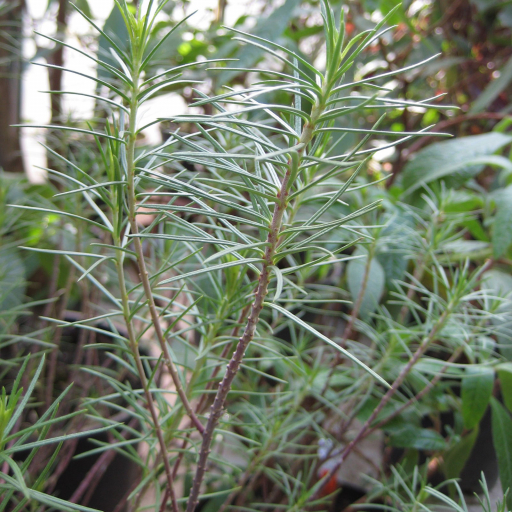
Plant Overview
Known affectionately as the Pineleaf Milkweed, this desert native is a master of disguise. Unlike its broad-leafed cousins, it looks remarkably like a miniature pine seedling or a tuft of rosemary until its delicate white flowers appear. Found naturally on the rocky slopes of the Southwestern United States and Mexico, it offers a year-round architectural presence that provides vital sanctuary for traveling butterflies.
🔍 How to Identify
- 🌿 Needle-like Foliage: The leaves are incredibly thin, dark green, and crowded along the stems, mimicking the appearance of pine needles.
- 🌸 Creamy Flower Clusters: Small, intricate umbels of white to greenish-white flowers bloom near the tips of the branches, featuring the classic "hood and horn" structure of milkweeds.
- 📏 Subshrub Form: It grows into a rounded, woody-based mound that typically reaches 2 to 3 feet in height, maintaining its green color even when other milkweeds go dormant.
🏡 In Your Garden
- 🏜️ Xeriscape Champion: This is one of the most drought-tolerant milkweeds available. It thrives in well-draining, rocky, or sandy soil and absolutely demands full sun to stay "bushy" rather than leggy.
- 🦋 The Monarch’s Pantry: It serves as a critical host plant for Monarch and Queen butterfly larvae. Because it is evergreen in many climates, it provides a reliable food source for late-season caterpillars when other plants have withered.
- 📍 Taproot Sensitivity: Like many desert plants, it develops a long, sensitive taproot to find deep water. It resents being moved once established, so choose its permanent spot in your garden with care.
⚠️ Safety & Toxicity
- 🚱 Toxic Latex: The plant contains a sticky, milky white sap (latex) that is rich in cardiac glycosides.
- 🐾 Risk to Pets & Humans: If ingested, the plant can be toxic to dogs, cats, and livestock, affecting the heart and gastrointestinal tract. Always wear gloves when pruning, as the sap can cause significant skin and eye irritation.
✨ Fun Fact
Monarch caterpillars are "chemical thieves." By munching on the Pineleaf Milkweed, they store the plant’s toxins in their own bodies. This makes the caterpillars (and the resulting butterflies) taste bitter and poisonous to birds, effectively turning the plant's defense system into their own personal bodyguard.

Detailed Care Instructions
To grow Asclepias Linaria, also known as Sandhill Milkweed, follow these steps:
- Choose the right location: Asclepias Linaria thrives in full sunlight, so select a location that receives at least 6-8 hours of direct sunlight per day. Additionally, ensure the soil is well-draining.
- Prepare the soil: Asclepias Linaria prefers sandy or loamy soil. If your soil is heavy or clayey, improve its drainage and aeration by adding sand, compost, or other organic matter.
- Sow the seeds: Asclepias Linaria can be grown from seeds. Sow the seeds directly in the ground in spring after the danger of frost has passed. Lightly rake the soil to create a seedbed and broadcast the seeds evenly. Do not bury them deeply; instead, cover them with a thin layer of soil or pressed down to ensure good seed-to-soil contact.
- Watering and maintenance: Keep the soil slightly moist until the seeds germinate, typically within 2-3 weeks. After germination, water sparingly, as Asclepias Linaria is drought-tolerant once established. Provide additional water during prolonged dry spells.
- Thin and space the seedlings: Once the seedlings grow a few inches tall, thin them to about 12-18 inches apart, allowing enough space for them to mature and prevent overcrowding.
- Weed control: Remove any weeds around the Asclepias Linaria seedlings to prevent competition for nutrients and space. Mulching can help suppress weed growth.
- Fertilization: Asclepias Linaria generally does not require regular fertilization. If the soil is poor, you can apply a balanced slow-release fertilizer during the growing season to provide nutrients.
- Monitor for pests and diseases: Fortunately, Asclepias Linaria is relatively resistant to pests and diseases. However, monitor for aphids, milkweed bugs, or milkweed beetles and promptly address any infestations.
- Encourage pollination: Asclepias Linaria attracts pollinators, especially butterflies, so avoid using pesticides or insecticides that harm beneficial insects. Allow the plants to flower, producing nectar-rich blooms to attract pollinators.
- Collect seeds: After the flowers fade and dry, seed pods will form. Allow some pods to mature and dry. Collect the seeds by gently removing the pods from the plant. Store the seeds in a cool, dry place for future planting or sharing with others.
By following these steps, you can successfully grow Asclepias Linaria and contribute to supporting pollinator populations and the conservation of native plants.

Place in a bright room that is sun drenched almost all day. Or directly in a south-facing window.

Asclepias Linaria plant should be watered thoroughly and deeply, allowing the soil to become slightly dry before watering it again. It is important to avoid over-watering the plant as it can lead to root rot. It is also important to water it at the base of the plant and avoid getting water on the leaves, as this can lead to disease and fungal growth. The plant prefers well-draining soil, so it is recommended to allow excess water to drain away from the pot or garden bed. Additionally, watering in the morning or evening when the temperatures are cooler will help the plant absorb the water more effectively.
To fertilize this plant, apply a balanced fertilizer in the early spring before new growth appears. Use a slow-release fertilizer or apply liquid fertilizer every 2-3 weeks during the growing season. Avoid over-fertilizing as this can lead to excessive foliage growth rather than flower production. Water the plant thoroughly after fertilizing to ensure the nutrients are absorbed by the roots.
Asclepias Linaria plants prefer well-draining soil that is rich in nutrients. The soil should preferably have a slightly acidic to neutral pH level. It is best to use a soil mixture that contains a combination of loam, sand, and organic materials such as peat moss or compost. The soil should not be compacted and should allow for adequate aeration around the roots. It is important to ensure that the soil is moist but never waterlogged, as overwatering can damage the roots of Asclepias Linaria plants. Additionally, Asclepias Linaria plants benefit from regular fertilization during the growing season to encourage healthy growth and vibrant blooms.
Asclepias Linaria can be propagated through both seeds and cuttings.
To propagate through seeds, collect the mature pods after they have turned brown and dry. Carefully remove the seeds from the pods and sow them in a well-draining soil mix. Water the soil gently and keep it consistently moist until the seeds have germinated. Once the seedlings have developed a strong root system, they can be transplanted to their permanent location.
To propagate through cuttings, select a healthy stem that has not yet bloomed. Cut a 4-inch stem from the base of the plant, making sure to include at least two nodes. Remove the leaves from the bottom 2 inches of the stem and dip the cut end into rooting hormone. Plant the stem in a well-draining soil mix and keep it consistently moist. After a few weeks, the stem should begin to root and can be transplanted to its permanent location.
Common pests of the pineneedle milkweed include Spider mites, aphids. Make a habit of checking your pineneedle milkweed frequently for pests so that any infestations can be caught and managed early.








