Plant Overview
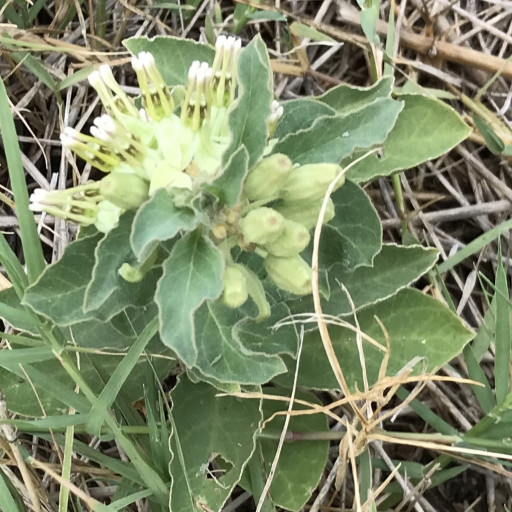
Known affectionately as Zizotes Milkweed, this hardy perennial is a "hidden gem" of the American Southwest and Mexico. Unlike its taller, showier cousins, Zizotes stays low to the ground, often blending into the tall grass until its striking, pale-green flower clusters emerge. It serves as a vital lifeline for the Monarch butterfly, proving that a plant doesn’t need bright neon colors to be a garden MVP.
🔍 How to Identify
- 🌼 The Blooms: Look for unique clusters of greenish-white or pale yellow flowers. Unlike other milkweeds that bloom at the very top, these "umbels" often sprout from the sides of the stem (axils).
- 🍃 The Foliage: The leaves are broad, roughly oval, and feature distinctive wavy margins. They are often covered in a fine, velvety fuzz that helps the plant retain moisture.
- 🥛 The "Milk": True to its name, if a leaf or stem is broken, the plant secretes a thick, sticky white latex sap that is a hallmark of the Asclepias genus.
🏡 In Your Garden
- ☀️ Drought Warrior: This plant is built for the heat. It thrives in well-drained, sandy, or rocky soils and is incredibly drought-tolerant once established, making it perfect for low-maintenance native landscapes.
- ⚓ Deep Roots: Zizotes develops a very deep, fleshy taproot. Because of this, it is notoriously difficult to transplant; it is best to sow seeds in the fall exactly where you want them to grow permanently.
- 🦋 The Caterpillar Nursery: It is a high-priority host plant for Monarch and Queen butterflies. If you see the leaves being eaten by striped caterpillars, don't reach for the pesticide—that’s a sign of a successful habitat!
⚠️ Safety & Toxicity
- 🚫 Cardiac Glycosides: Like all milkweeds, Zizotes is toxic if ingested. It contains compounds that affect the heart, making it dangerous for dogs, cats, and livestock.
- 🧴 Sap Sensitivity: The milky white sap can cause skin irritation or "milkweed dermatitis" for some people. It is particularly painful if it gets into your eyes, so wearing gloves while pruning is highly recommended.
✨ Fun Fact
✨ The name "Zizotes" is thought to be a Hispanicized version of the Nahuatl word tzitzotic. In traditional folklore, the plant was sometimes used in topical applications, though modern gardeners value it almost exclusively for its incredible ability to support dwindling pollinator populations.

Detailed Care Instructions

Place in a bright room that is sun drenched almost all day. Or directly in a south-facing window.

Asclepias Oenotheroides is a type of plant that requires regular watering to thrive. Here are some tips on how to water this plant:
1. Check the soil: Before watering the plant, check the soil moisture level. Stick your finger into the soil to a depth of about an inch. The soil should feel slightly moist, but not too wet or dry.
2. Water deeply: When you do water the plant, make sure to water deeply. Water slowly at the base of the plant until it begins to flow out of the drainage holes. This will ensure that the roots are well-watered.
3. Avoid getting the leaves wet: Try to water the plant at the base, without getting the leaves wet. This will help prevent the development of fungal diseases.
4. Water regularly: Asclepias Oenotheroides enjoys regular watering, particularly during periods of dry weather. Water the plant at least once a week, or more often if conditions are particularly dry.
5. Mulch: Adding a layer of mulch around the base of the plant can help retain moisture in the soil, reducing the need for frequent watering.
By following these tips, you can help your Asclepias Oenotheroides plant to grow strong and healthy.
Asclepias oenotheroides is a type of plant that requires a well-draining soil with a slightly acidic to neutral pH level. It grows best in soil that is rich in organic matter and is able to retain moisture without becoming waterlogged. A good option for soil type is a sandy loam, but any soil type that meets the above criteria will be suitable. It is important to avoid using soil that is too heavy or compacted. This plant also prefers full sunlight, so planting location should be chosen accordingly.







