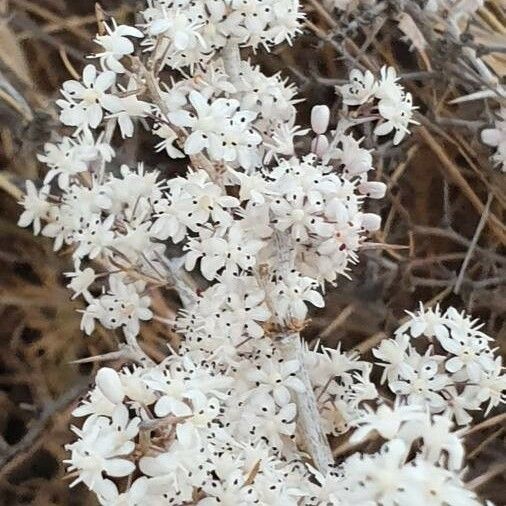
Plant Overview
Known as the White Asparagus or Esparraguera blanca, this Mediterranean native is the rugged, armored relative of the common garden asparagus. While it looks delicate with its cloud-like, feathery foliage, don’t be fooled—it is a tough-as-nails shrub built to survive the harsh sun and hungry grazers of rocky hillsides. Its stark, silvery-white stems make it a striking architectural choice for dry gardens.
🔍 How to Identify
- ⚪ The Stems: Its most defining feature is the smooth, woody, and distinctly white or light grey stems that zigzag as they grow upward.
- ⚔️ The Armor: Unlike its soft culinary cousin, this species is heavily armed with sharp, rigid spines located at the base of every branchlet.
- 🌿 The "Leaves": What look like needles are actually cladodes (modified stems). They grow in dense, bright green tufts, giving the plant a soft, misty appearance from a distance.
- 🌸 Flowers & Fruit: It produces tiny, bell-shaped white flowers that are surprisingly fragrant, followed by small berries that turn from green to a deep, ink-black when ripe.
🏡 In Your Garden
- ☀️ Sun & Soil: This is a true "sun-worshiper." It thrives in poor, well-draining, or even limestone-heavy soils where other plants might wither. It is exceptionally drought-tolerant once established.
- ⚓ Root Persistence: Because it develops a deep, tenacious woody root system, it is often used for erosion control on slopes. However, think twice before planting; its deep "anchor" makes it very difficult to transplant or remove once it reaches maturity.
⚠️ Safety & Toxicity
- 🌵 Physical Hazard: The primary danger is the thorns. They are sharp enough to puncture skin and gardening gloves, so it should be kept away from high-traffic walkways or play areas.
- 🚫 Toxic Berries: While the young spring shoots are sometimes foraged by experts, the mature black berries are toxic to humans and pets. Ingestion can cause stomach upset, vomiting, or diarrhea.
- 🐾 Pet Safety: The dense, thorny interior can sometimes trap debris or cause skin irritation in curious dogs or cats.
✨ Fun Fact
In many Mediterranean cultures, foraging for Asparagus albus is a rite of spring. Locals brave the thorns to harvest the tender "turions" (young shoots) before they harden into spikes, claiming they have a much more intense, nutty, and slightly bitter flavor than the cultivated asparagus found in grocery stores!

Detailed Care Instructions
To grow Asparagus albus, also known as White Asparagus, follow these steps:
- Choose the right location: Asparagus albus prefers a sunny spot in your garden with well-draining soil.
- Prepare the soil: Before planting, remove any weeds or grass from the planting area. Dig the soil to a depth of 12-18 inches and amend it with organic matter such as compost or well-rotted manure to improve its fertility and drainage.
- Planting: Plant Asparagus albus crowns in late winter or early spring. Dig trenches that are around 8-12 inches deep and wide enough to accommodate the crowns. Space the crowns about 18 inches apart in the trench, with 4-6 feet spacing between the rows. Place the crowns in the trench, spreading out the roots, and cover them with soil, leaving the top bud of the crown exposed.
- Mulching and watering: Once planted, apply a layer of mulch around the Asparagus albus plants to suppress weeds and retain moisture. Water the plants regularly, keeping the soil consistently moist but not waterlogged. Asparagus requires about 1-1.5 inches of water per week.
- Fertilization: Asparagus plants are heavy feeders. Apply a balanced fertilizer or compost in early spring before the spears emerge. Additionally, side-dress with compost or a nitrogen-rich fertilizer during the growing season to support robust growth.
- Care and maintenance: Keep the area around the plants weed-free and remove any weeds by hand. Avoid disturbing the soil deeply around the plants to prevent damage to the shallow roots. Consider providing support, such as a trellis or stakes, if the plants need it.
- Harvesting: Asparagus albus can take a few years to establish before you can start harvesting. Generally, it is recommended to wait for at least two full growing seasons before harvesting. Harvest the spears when they reach a height of around 6-8 inches. Cut or snap the spears at ground level, being careful not to damage the emerging spears. Stop harvesting when the spear diameter decreases significantly.
By following these steps, you can successfully grow Asparagus albus in your garden and enjoy its delicious, tender spears.

Place in a bright room that is sun drenched almost all day. Or directly in a south-facing window.

To properly water this plant, it's important to first assess the soil moisture level. Stick your finger about an inch deep into the soil to check if it feels dry or moist. If it's dry, water the plant thoroughly until water begins to drain out of the bottom. However, be careful not to over-water the plant as this can lead to root rot. It's important to give the plant enough water to penetrate the soil to ensure deep root growth. Watering frequency will depend on factors such as temperature, humidity, and sunlight, but on average, it's recommended to water once a week. Additionally, it's important to avoid getting water on the foliage of the plant as this can lead to disease.
To fertilize this plant, apply a balanced fertilizer with equal amounts of nitrogen, phosphorus, and potassium in early spring just as new growth begins. Use a rate of 1/4 to 1/2 pound of the fertilizer per 10 square feet of the planting bed. Then, side-dress with the same fertilizer once every 4 to 6 weeks throughout the growing season. Apply the fertilizer 2 to 3 inches away from the plant's base and water well after application. Avoid fertilizing this plant after midsummer as it can encourage tender growth that may not harden before winter. Also, make sure to keep the soil consistently moist throughout the growing season.
Asparagus albus is a perennial plant that belongs to the family Asparagaceae. When it comes to soil, it prefers a well-draining, rich, and loamy soil. The soil pH should range from 6.5 to 7.5, which is slightly acidic to neutral. The plant prefers soil that is moderately moist but not waterlogged. It also needs soil that is rich in organic matter, such as compost or well-rotted manure. The soil should be free of rocks and debris that can interfere with root growth. It is important to avoid using soil that is compacted or heavy, as this can hinder the growth and development of the plant. In addition to soil, Asparagus albus also requires regular watering, fertilization, and periodic pruning to maintain its health and vigor.
To propagate this plant, start by selecting a healthy plant and identify young shoots with roots attached. Gently remove the shoot from the parent plant, taking care not to damage the roots. Next, plant the shoot in a well-draining soil mixture and water it thoroughly. Keep the soil moist but not waterlogged and provide the plant with bright, indirect light. Within a few weeks, the shoot should start to grow and establish itself in its new pot. It is also possible to propagate this plant by dividing the parent plant's root system. To do so, carefully dig up the parent plant and identify several healthy root clumps. Gently separate these clumps using a clean, sharp knife and plant them in their own individual pots. Water them thoroughly and provide them with bright, indirect light. With proper care, each root clump will grow into a separate plant.








