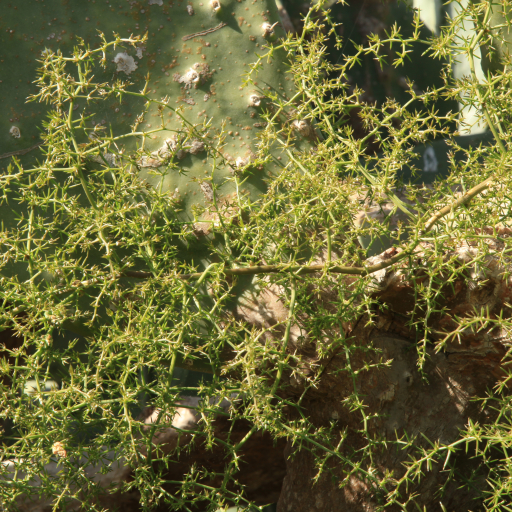
Plant Overview
Often called the Leafless Asparagus, this resilient Mediterranean native is a master of environmental adaptation. While its name suggests it lacks foliage, it has cleverly swapped traditional leaves for needle-like stems to survive in harsh, arid climates. It is the wild, rugged cousin of the common garden asparagus, frequently found clinging to rocky hillsides and coastal scrublands.
🔍 How to Identify
- 🌵 The "Fake" Leaves: The plant doesn't have true leaves; instead, it features clusters of short, stiff, needle-like branches called cladodes that perform photosynthesis while minimizing water loss.
- 🪵 Woody Structure: Unlike the soft spears of grocery store asparagus, this species grows into a dense, tangled, and woody shrub that can reach nearly a meter in height.
- 🫘 Dark Berries: In late autumn, the plant produces small, spherical berries that transition from green to a deep, waxy black when ripe.
🏡 In Your Garden
- ☀️ Sun and Stone: This plant is a "xeriscaping" champion. It thrives in poor, rocky, or sandy soils where other plants might struggle, provided it gets plenty of direct sunlight.
- 🛡️ Natural Barrier: Due to its dense, prickly growth habit, it is often used as a "living fence" or security hedge. It is virtually deer-resistant because the sharp stems are unappealing to grazers.
- 💧 Drought Strategy: It hates "wet feet." If planting in a pot or garden bed, ensure the drainage is impeccable, as its thick roots are prone to rot in standing water.
⚠️ Safety & Toxicity
- 🩹 Physical Hazard: The primary danger of Asparagus aphyllus is its sharp, spine-like tips. These can easily puncture skin or snag clothing, so always wear heavy-duty gardening gloves when pruning.
- 🐾 Pet Warning: While the young, tender shoots are technically edible for humans (similar to wild asparagus), the mature berries are toxic to dogs and cats and can cause vomiting or skin irritation upon contact.
✨ Fun Fact
The species name aphyllus literally translates from Greek as "without leaves." By ditching its leaves, the plant can withstand the scorching Mediterranean heat without losing its precious internal water supply to evaporation!

Detailed Care Instructions
To grow Asparagus Aphyllus, also known as bare-root asparagus, you can follow these steps:
- Choose a suitable location: Asparagus Aphyllus prefers well-draining soil with a pH range of 6.0 to 7.5. Make sure the location receives full sun for at least 6-8 hours daily.
- Prepare the soil: Clear the area from weeds and rocks. Dig a trench about 6-8 inches deep and add organic matter like compost or aged manure to enrich the soil.
- Soak the roots: Before planting, soak the bare-root crowns or roots in water for a few hours to rehydrate them. This will promote better growth.
- Planting: Place the bare-root crowns in the trench, spreading the roots out gently. Space the crowns about 12-18 inches apart and cover them with soil. Ensure that the buds or growing points are facing upward and are covered by at least 2 inches of soil.
- Provide support: Asparagus Aphyllus plants can grow tall, so it's recommended to provide support like a trellis or stakes to prevent bending or breaking as the plants mature.
- Watering: Water the newly planted crowns thoroughly after planting, and then follow a regular watering schedule to keep the soil consistently moist but not saturated. Avoid waterlogging, as it can cause root rot.
- Mulching: Apply a layer of organic mulch, such as straw or wood chips, around the plants to help retain moisture, suppress weeds, and maintain a cool root environment.
- Fertilization: Asparagus plants benefit from regular fertilization. Apply a balanced organic fertilizer in early spring and mid-summer, following the recommended dosage on the fertilizer package.
- Weed control: Regularly remove weeds that compete for nutrients and water. Be careful not to damage the shallow asparagus roots while weeding.
- Harvesting: After planting, do not harvest the spears in the first year, allowing them to grow and strengthen the plant. In subsequent years, you can harvest the spears when they reach 6-8 inches in length by cutting them at ground level.
- Winter care: In colder regions, apply a thick layer of mulch or straw over the crowns in late fall to protect them from freezing temperatures. Remove the mulch in spring when new shoots emerge.
By following these steps, you should be able to successfully grow Asparagus Aphyllus plants and enjoy a bountiful harvest in subsequent years.

Place in a bright room that is sun drenched almost all day. Or directly in a south-facing window.

To water this plant, you should provide it with frequent and consistent moisture. Make sure the soil is always moist, but not waterlogged. You can water it deeply once or twice a week and allow the soil to dry slightly in between waterings. When watering, avoid getting the foliage wet, as this can lead to fungal diseases. Instead, water at the base of the plant. During periods of drought, you may need to water more often. Overall, make sure to monitor the soil and adjust your watering schedule accordingly.
Asparagus Aphyllus is a perennial plant that requires regular fertilization to promote healthy growth. Here are some fertilizing instructions:
- Fertilize Asparagus Aphyllus with a balanced, slow-release fertilizer in early spring before the growing season begins.
- Apply the fertilizer according to the manufacturer's instructions, typically mixing it into the soil around the plant's base.
- Repeat the fertilization process once every two to three months throughout the growing season.
- Do not over-fertilize, as this can lead to excessive leafy growth at the expense of the plant's root system.
- Ensure the plant receives adequate water to help distribute the fertilizer throughout the soil.
Asparagus Aphyllus requires well-drained soil with a slightly acidic pH level. The soil should be rich in nutrients and have good water retention capabilities while avoiding waterlogging. Adding organic matter such as compost or aged manure to the soil can improve the soil structure and increase soil fertility. In addition, supplementing the soil with a balanced fertilizer during the growing season can aid in healthy plant growth. It is important to avoid using heavy clay soils or soils with too much sand, as they may not provide the necessary nutrients and water retention required for optimal plant growth.
Asparagus Aphyllus plant can be propagated by using seeds or vegetative cuttings. When propagating with seeds, it is best to sow them in the spring or early summer. Before planting, you should scarify the seeds and soak them in water for 24-48 hours to break their dormancy. Once the seedlings have grown to a reasonable size, you can transplant them into individual pots or directly into the ground.
When propagating with vegetative cuttings, select healthy stem sections from the Asparagus Aphyllus plant and make a clean cut. The stem should be at least 5-6 inches long and have a few leaves attached. Remove the lower leaves from the stem, leaving only a few at the top. Dip the end of the cutting into rooting hormone powder and plant it into a small pot filled with a well-draining soil mix.
Keep the pot in a warm and bright location, out of direct sunlight. Mist the cutting regularly and ensure the soil stays moist but not waterlogged. It may take several weeks for roots to form, but once they have, you can transplant the new plant into a larger container or outside into the garden.








