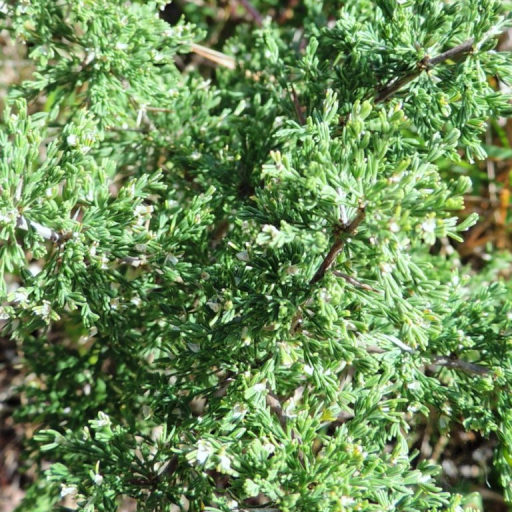
Plant Overview
Often called the Katdoring (Afrikaans for "Cat-thorn"), Asparagus capensis is a rugged South African native that proves beauty can have a bite. Emerging from the diverse Fynbos landscape, this scrambling shrub creates a dense, protective thicket of needle-like foliage and starry white blossoms. While it looks like a delicate fern from a distance, its hidden "claws" make it a formidable garden guardian.
🔍 How to Identify
- 🌿 Needle Clusters: The "leaves" are actually modified stems called cladodes, which are arranged in tight, feathery tufts that give the plant a soft, textured appearance.
- ⚔️ Recurved Thorns: Look closely at the woody stems; you will find sharp, hooked spines (stipules) that help the plant scramble over other vegetation.
- 🌸 Starry Blooms: In late summer or autumn, the plant produces tiny, cream-to-white flowers with orange anthers that release a surprisingly sweet, honey-like scent.
🏡 In Your Garden
- 🏜️ Drought Specialist: Because it originates from the semi-arid regions of the Cape, this plant is an expert at surviving long dry spells. It prefers well-draining, sandy soil and hates "wet feet," which can cause its tuberous roots to rot.
- 🛡️ Security Hedging: Due to its dense growth habit and sharp thorns, it is an excellent choice for a "security hedge." It creates a nearly impenetrable barrier while providing a safe, predator-free nesting site for small garden birds.
⚠️ Safety & Toxicity
- 🌵 Physical Hazard: The primary risk is the sharp, hooked thorns. They are notorious for snagging skin and clothing, so always wear heavy-duty gardening gloves when pruning.
- 🐾 Berries & Pets: While the plant is not considered deadly, the small black berries can cause mild gastrointestinal upset (vomiting or diarrhea) if ingested by curious dogs, cats, or children.
✨ Fun Fact
The name "Katdoring" isn't just a nickname; it refers to the plant's thorns which are shaped exactly like a cat’s retracted claws, allowing it to "climb" by hooking onto its neighbors!

Detailed Care Instructions
To successfully grow Asparagus capensis (Cape Asparagus) plants, you can follow the steps below:
- Climate and Soil: Cape Asparagus is native to South Africa and prefers a warm climate. It thrives well in USDA hardiness zones 9-11. Choose a location that receives full sun exposure.
- Soil Preparation: The soil should be well-draining and rich in organic matter. Add compost to improve soil fertility and drainage.
- Planting: Dig a hole deep and wide enough to accommodate the plant's root ball. Place the plant in the hole, ensuring that the crown is level with the soil surface. Space the plants about 18-24 inches apart.
- Watering: Keep the soil consistently moist but not waterlogged. Regular watering is crucial during the growing season, especially in hot and dry climates.
- Mulching: Apply a layer of organic mulch around the plants to conserve moisture, suppress weeds, and regulate soil temperature.
- Fertilization: Feed the plants with a balanced, slow-release fertilizer in early spring. Follow the instructions on the fertilizer packaging for the appropriate application rates.
- Pruning: Remove any dead or damaged fronds annually. This helps maintain the health of the plant and improves its overall appearance.
- Pests and Diseases: Monitor the plants for potential pests like aphids, slugs, or snails. Treat any infestations promptly using organic insecticides or by manually removing pests. Ensure good air circulation around the plants to prevent fungal diseases.
- Propagation: Cape Asparagus can be propagated through seeds or division. In spring, collect ripe seeds and sow them in pots or directly into the ground. For division, carefully dig up existing clumps and separate them into smaller sections, each with a healthy root system.
- Harvesting: Asparagus capensis has delicate edible shoots. Harvest the young, tender shoots when they reach about 6-8 inches in length. Cut them just above the soil level. Regular harvesting encourages new shoots to emerge.
By following these guidelines, you should be able to successfully grow Asparagus capensis plants in your garden. Remember to be patient, as it may take a year or two before you can begin harvesting a bountiful crop.

Place in a window with dappled sun or a spot in the middle of a room. Or directly in a window facing west or east.

The Asparagus Capensis plant can be watered by pouring water gently directly onto the soil around the base of the plant. It is important to avoid getting the foliage wet as this can increase the risk of disease. The soil should be kept consistently moist but not waterlogged, so watering once or twice a week should be sufficient. It is also important to allow the soil to dry out slightly between waterings to prevent overwatering. Additionally, using a well-draining soil mix and providing adequate drainage holes in the pot can help prevent waterlogging.
For optimal growth, provide a balanced fertilizer with equal amounts of nitrogen, phosphorus, and potassium. Apply the fertilizer once every two weeks during the growing season, reducing to once a month during the dormant season. Avoid over-fertilizing, as it can lead to root burn and nutrient buildup in the soil. Water the plant thoroughly after fertilizing to prevent any salt buildup.
Asparagus Capensis plants prefer a well-draining soil that is slightly acidic with a pH between 5.5 and 7.0. The soil should be rich in organic matter and high in nutrients such as nitrogen, phosphorus, and potassium. A mixture of sandy loam, leaf mold, and compost can provide the ideal growing conditions for this plant. It is also important to ensure that the soil is not too compact, as it can impede root growth and drainage. Overall, the soil should be loose, friable, and relatively fertile to promote healthy growth and development of the Asparagus Capensis plant.
Asparagus Capensis plants can be propagated through the process of division. To propagate this plant, begin by selecting a mature and healthy Asparagus Capensis plant. Using a clean and sharp knife or garden shears, cut the rhizome of the plant horizontally and into smaller sections. Each section should contain at least one stem and a good amount of roots.
Prepare a potting mix by mixing equal parts of sand, perlite, and peat moss. Place the divided sections of the Asparagus Capensis plant into the potting mix, making sure that the roots are well-covered. Water the newly propagated plants thoroughly and place them in a well-lit and warm area, but out of direct sunlight.
Keep the potting mix moist but not waterlogged, and within a few weeks, new growth should start to appear from each section. Once the new growth reaches a height of about 5 cm, the Asparagus Capensis plants can be transferred into their permanent growing location, or individual pots. When the new plants have established themselves, they can be maintained in the same way as the parent plant.








