Plant Overview
Known as the "Queen of Herbs," Asparagus racemosus—commonly called Shatavari—is a beloved staple in traditional Ayurvedic medicine. While it looks like a delicate, feathery fern, it is actually a hardy climbing member of the asparagus family native to the rocky soils of India and the Himalayas. Its name translates to "she who possesses a hundred husbands," a poetic nod to its historical reputation for boosting vitality and reproductive health.
🔍 How to Identify
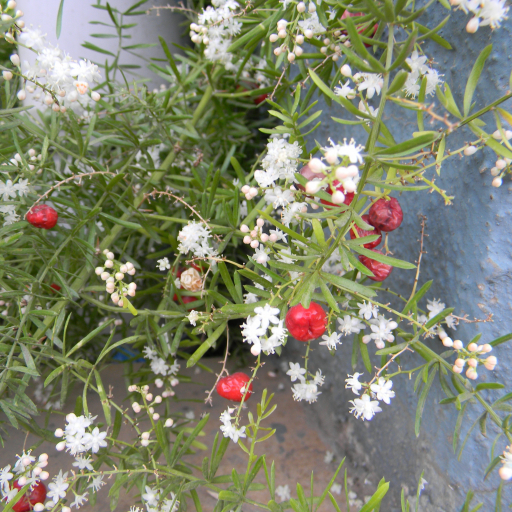
- 🌿 Feathery Foliage: The plant features "cladodes," which are needle-like modified stems that look like soft leaves, giving the plant a misty, ethereal appearance.
- 🌸 Star-Shaped Flowers: During the blooming season, it produces tiny, white, fragrant flowers that grow in dense, elongated clusters (racemes).
- 🔴 Glossy Berries: After the flowers fade, the plant develops small, round berries that transition from green to a vibrant, polished red when ripe.
🏡 In Your Garden
- 🪴 Tuberous Roots: Beneath the soil, Shatavari develops a complex system of succulent, finger-like tuberous roots. Because these roots store water, the plant is surprisingly drought-tolerant once established, though it prefers well-draining soil to prevent rot.
- 🧗 The Climbing Habit: Unlike the common garden asparagus, this variety is a vigorous scrambler. It uses small, woody spines on its main stems to "hook" onto nearby structures or trees, so it performs best when provided with a trellis or fence to climb.
⚠️ Safety & Toxicity
- 🚫 Toxic Berries: While the roots are prized in herbalism, the bright red berries are poisonous to humans and should never be eaten.
- 🐾 Pet Safety: The plant is considered toxic to dogs and cats. Ingesting the berries can cause vomiting and diarrhea, while repeated skin contact with the foliage may cause allergic dermatitis in sensitive pets.
- 🧤 Hidden Spines: Use caution when pruning; the stems hide small, sharp thorns that can easily prick unprotected hands.
✨ Fun Fact
- ✨ Master of Disguise: The "leaves" you see are not actually leaves at all! They are modified branches called cladodes that perform photosynthesis. The plant's true leaves are actually tiny, microscopic scales found at the base of these needle-like branches.

Detailed Care Instructions
To grow Asparagus Racemosus, also known as Shatavari, you can follow these steps:
- Choose a suitable location: Asparagus Racemosus prefers a sunny to partially shaded location with well-drained soil.
- Propagation: It can be grown from seeds or root cuttings. If you choose to sow seeds, soak them in warm water overnight before planting.
- Planting: If starting from seeds, plant them about 6 inches apart in small pots or seed trays filled with a well-draining potting mix. Cover the seeds with a thin layer of soil. If using root cuttings, bury them about 1-2 inches deep in the soil.
- Watering: Keep the soil consistently moist but not waterlogged. Water regularly, especially during dry spells, but avoid overwatering.
- Fertilizing: Asparagus Racemosus plants benefit from regular feeding. Use a balanced organic fertilizer or compost during the growing season to promote healthy growth.
- Mulching: Apply a layer of organic mulch around the plants to help retain moisture, suppress weeds, and regulate soil temperature.
- Support: As the plants grow, they may require support. Install stakes or trellises to provide support for their climbing vines.
- Pest and disease control: Monitor for pests like aphids, slugs, and snails, and use appropriate organic methods to control them. Keep the plants well-spaced to improve air circulation and prevent diseases.
- Harvesting: Depending on the cultivar and growing conditions, Asparagus Racemosus can be harvested after 2-3 years when the roots have matured. Gently dig out the root system or carefully cut the desired aerial parts for medicinal use.
Note: Asparagus Racemosus is a tropical plant that requires warm temperatures and a long growing season. It may not be suitable for colder climates.

Place in a window with dappled sun or a spot in the middle of a room. Or directly in a window facing west or east.

Asparagus Racemosus plant should be watered regularly, once the soil begins to dry out. It is important not to overwater or keep the soil too wet, as this can lead to root rot. When watering, it is best to soak the soil thoroughly and allow the excess water to drain away. Avoid getting water on the leaves, as this can lead to fungal infections. The frequency of watering may vary depending on the humidity and temperature levels in your environment, so it is important to monitor the soil moisture levels and adjust accordingly. Also, it is recommended to use room temperature or lukewarm water for watering the plant.
To fertilize this plant, use a balanced fertilizer with NPK ratio of 10-10-10 during its growing season. Apply the fertilizer around the base of the plant and water thoroughly. Avoid fertilizing during the dormant phase. Additionally, it can benefit from organic fertilizers like compost or well-rotted manure applied annually in spring.
Asparagus Racemosus thrives in well-draining soil that is rich in nutrients. It prefers a soil pH between 6.0 and 7.5. A mixture of sand, organic compost, and loam is recommended, with equal parts of each. The soil should be kept moist but not wet. Overwatering may cause root rot. It is also important to add a layer of mulch to the soil surface to help retain moisture and suppress weed growth. Fertilizing with a balanced fertilizer in the spring and summer months is also recommended.
Asparagus Racemosus plant can be propagated through both sexual and asexual means. The sexual method involves the use of seeds that are usually collected from mature plants. The seeds are cleaned and sown in a suitable potting mixture, covering them with a thin layer of soil. The pot should be kept moist and placed in a warm and bright location.
The asexual method of propagation involves dividing the root mass of a mature plant. This is typically done during the dormant season when the plant is not actively growing. The root mass is carefully dug up and divided into several sections, making sure that each section has a good amount of roots and stems. The sections are then potted up in suitable potting soil and kept in a warm and bright location.
Another method of asexual propagation is by stem cuttings. This is done by taking a healthy stem tip from a mature plant and stripping it of its leaves, leaving only a few at the top. The stem is then dipped in rooting hormone and planted into a potting mixture. The pot is kept in a warm and bright location and watered regularly until roots have formed, at which point it can be potted up separately.








