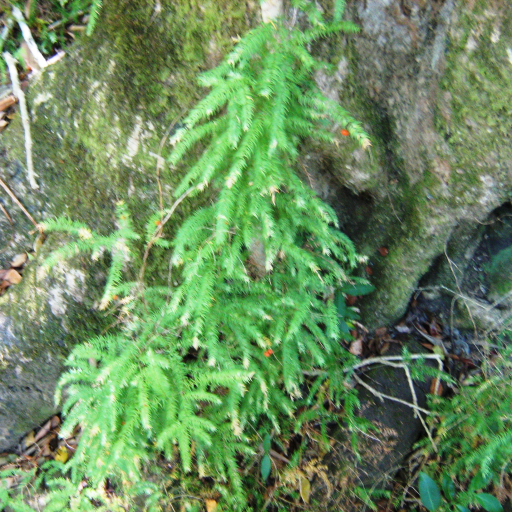
Plant Overview
Often called the Climbing Asparagus Fern, this South African native is a master of disguise. Despite its feathery, fern-like appearance, it is actually a member of the Lily family and is more closely related to the asparagus on your dinner plate than to any true fern. It is a vigorous scrambler, capable of creating lush, emerald "curtains" that bring a touch of woodland mystery to indoor spaces and shaded gardens.
🔍 How to Identify
- 🌿 The "Leaves": What look like tiny, needle-thin leaves are actually flattened stems called cladodes. On Asparagus scandens, these usually grow in horizontal triplets, giving the plant a delicate, layered look.
- 📉 Zig-Zag Stems: The stems feature a distinct "zig-zag" growth pattern. They are thin and wiry, allowing the plant to weave itself through trellises or neighboring plants without the need for tendrils.
- 🍒 Colorful Berries: In the right conditions, the plant produces tiny, star-shaped white flowers followed by small, round berries that transition from green to a vibrant orange or red.
🏡 In Your Garden
- 💧 Hidden Reservoirs: If you look at the root system, you’ll find small, fleshy white tubers. These act as underground water tanks, helping the plant survive if you forget a watering session, but it also means the plant hates "wet feet" (soggy soil) which can rot these tubers.
- 🧗 The Scrambler's Path: Unlike ivy, which grips walls, this plant "scrambles." It needs a physical structure like a moss pole or string to lean against. In many regions (like New Zealand and parts of Australia), it is considered an invasive weed because its dense mat of tubers can smother native forest floors.
⚠️ Safety & Toxicity
- 🐾 Toxic to Pets: This plant is considered toxic to cats and dogs. Ingesting the berries or foliage can lead to gastrointestinal upset, including vomiting and diarrhea.
- 🖐️ Skin Sensitivity: The sap contains compounds that can cause "sapogenin-induced dermatitis." If you are pruning a large specimen, it is wise to wear gloves to avoid itchy skin rashes.
✨ Fun Fact
Because it doesn't produce true leaves, the "feathery" bits you see are performing all the photosynthesis for the plant. This is an evolutionary adaptation that helps the plant conserve water in its native, often rocky, South African habitats.

Detailed Care Instructions
Asparagus scandens, also known as climbing asparagus, is a vine plant that can be grown either indoors or outdoors. Here are some tips on how to grow Asparagus scandens:
- Location: Asparagus scandens prefers bright, indirect light, so place it near a window that receives plenty of sunlight. If growing outdoors, choose a spot with partial shade.
- Soil: Use a well-draining potting mix for indoor plants or a rich, organic soil for outdoor plants. The soil should be slightly acidic to neutral.
- Watering: Keep the soil consistently moist but not waterlogged. Water the plant when the top inch of soil feels dry to the touch.
- Fertilizer: Feed your Asparagus scandens plant with a balanced liquid fertilizer once a month during the growing season (spring and summer).
- Support: Asparagus scandens is a climbing plant, so provide it with a trellis or other support structure to help it grow vertically.
- Pruning: To encourage bushier growth, prune your Asparagus scandens plant by cutting back any long, leggy stems. You can also pinch off the tips of the stems to promote branching.
- Propagation: Asparagus scandens can be propagated through stem cuttings. Simply take a cutting from a healthy stem, dip it in rooting hormone, and plant it in a well-draining potting mix. Keep the cutting moist until it roots and begins to grow.
With proper care and attention, your Asparagus scandens plant should thrive and produce its unique foliage and small, white flowers.

Place in a window with dappled sun or a spot in the middle of a room. Or directly in a window facing west or east.

Asparagus scandens should be watered consistently, allowing the top inch of soil to dry out between waterings. It is important to provide thorough watering sessions to ensure the roots receive enough moisture. Watering should be done at the base of the plant to avoid wetting the foliage, which can lead to disease. Watering frequency may vary depending on environmental conditions such as temperature and humidity. It is important to avoid overwatering, as this can lead to root rot. Additionally, using a well-draining soil mix and providing adequate drainage in the pot can help prevent waterlogging and promote healthy growth.
To fertilize the plant, use a balanced fertilizer with an N-P-K ratio of 10-10-10. Apply the fertilizer in early spring before new growth appears. Use a granular fertilizer and sprinkle it around the base of the plant, avoiding direct contact with the stems. Water the plant after fertilizing to help the nutrients penetrate the soil. Repeat fertilization every 6-8 weeks during the growing season, but do not fertilize in late summer or fall to avoid stimulating new growth that may be damaged by frost.
Asparagus scandens is a plant that requires well-draining soil with good fertility. A combination of sandy loam and organic matter such as compost or peat moss is ideal for promoting healthy growth and development. The soil should have a slightly acidic to neutral pH level, around 6.0-7.0, to provide optimal conditions for the plant's nutrient uptake. Additionally, adding perlite or vermiculite to the soil mixture can help improve aeration and drainage, which is important for preventing waterlogging and root rot. Overall, a nutrient-rich, well-draining soil mix is essential for the successful cultivation of Asparagus scandens.
To propagate Asparagus Scandens plant, you can do so by using seeds or cuttings.
If you choose to propagate using seeds, begin by germinating the seeds in a seed-starting mix in a warm and bright location. Keep the soil consistently moist until the seeds have sprouted. Once the seedlings have reached a suitable size, you can transplant them into individual pots filled with a well-draining potting mix.
Alternatively, you can propagate Asparagus Scandens plant from cuttings. To do this, take a cutting from a healthy, mature plant, making sure to use a sharp and sterilized knife or scissors. Remove any lower leaves from the cutting and dip the cut end in a rooting hormone. Plant the cutting in a pot filled with a moist potting mix, and place it in a warm, bright location. Keep the soil consistently moist until roots begin to form.
Regardless of the method you choose, be patient and provide the necessary care for the young plants as they establish themselves. With proper care and attention, your propagated Asparagus Scandens plants will thrive and grow into beautiful specimens.








