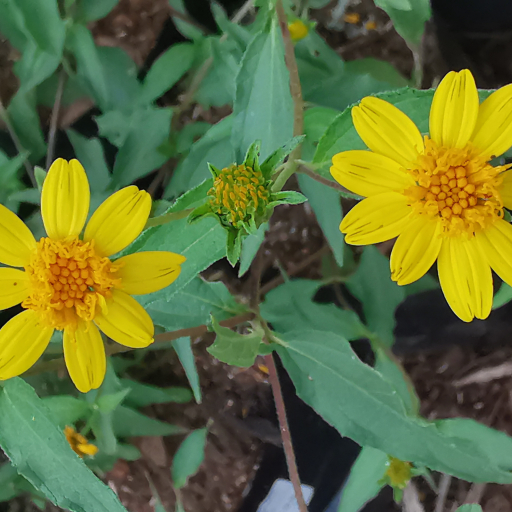
Plant Overview
Often called the Wild Sunflower or Shrubby Aspilia, Aspilia mossambicensis is a resilient beauty native to the sunny landscapes of East and South Africa. While it looks like a humble daisy to the untrained eye, it holds a prestigious place in "nature’s pharmacy." Local folklore and modern science both celebrate it for its potent medicinal properties, most famously discovered by observing our closest relatives, the chimpanzees.
🔍 How to Identify
- 🍃 The Sandpaper Leaves: The most distinct feature is the texture. The lance-shaped leaves are covered in stiff, bristly hairs, making them feel incredibly rough, much like fine-grit sandpaper.
- 🌼 Golden Sunbursts: It produces charming yellow flower heads that resemble miniature sunflowers. These blooms typically appear at the ends of long, hairy stalks throughout the warmer months.
- 🌿 Woody Base: As the plant matures, it develops a scrambling or erect shrub-like habit with stems that become woody at the base, allowing it to hold its own against competing grasses.
🏡 In Your Garden
- 🦋 Pollinator Paradise: This plant is a magnet for biodiversity. Its nectar-rich flowers are high-priority targets for various butterfly species and honeybees, making it an excellent choice for a wild-style meadow or pollinator garden.
- 🌞 Drought Warrior: Coming from the African bushveld, it is exceptionally drought-tolerant once established. It prefers well-draining soil and a spot where it can soak up the full sun, though it can tolerate light afternoon shade.
- ✂️ Pruning Needs: Because it can become a bit "leggy" or sprawling, a light pruning after the flowering season helps maintain a tidier shape and encourages bushier growth for the next season.
⚠️ Safety & Toxicity
- 🟢 General Status: Aspilia mossambicensis is generally considered non-toxic to humans and is widely used in traditional African medicine for treating wounds and stomach issues.
- 🐾 Pet Caution: While there are no specific reports of high toxicity in cats or dogs, the rough, bristly texture of the leaves can cause mechanical irritation to the mouth or throat if chewed.
- 🖐️ Skin Irritation: Sensitive individuals might experience a mild "sandpaper rash" or itching when handling the bristly stems without gloves.
✨ Fun Fact
This plant is a superstar in the study of Zoopharmacognosy (animals self-medicating). Scientists observed chimpanzees in the wild carefully selecting and swallowing Aspilia leaves whole without chewing them. The rough hairs on the leaves act as a "velcro" scrub, physically hooking and removing intestinal parasites as they pass through the chimp's digestive tract!

Detailed Care Instructions
To grow Aspilia mossambicensis, also known as the African marigold or wild sunflower, follow these steps:
- Choose a suitable location: Aspilia mossambicensis thrives in full sun and well-draining soil. Choose an area with at least six hours of direct sunlight per day.
- Prepare the soil: Loosen the soil in the chosen area by removing any weeds or grass. Dig in some organic compost or well-rotted manure to improve soil fertility and drainage.
- Sow the seeds: Aspilia mossambicensis can be grown from seeds. Sow the seeds directly into the prepared soil, around 1 cm (0.4 inches) deep. Space them approximately 30 cm (12 inches) apart to allow enough room for each plant to grow.
- Water regularly: Keep the soil evenly moist but not soggy. Water regularly, especially during dry periods, to ensure the plants establish well. Overwatering can cause root rot, so ensure good drainage.
- Provide support (optional): If growing in an area with strong winds or if the plants become tall and top-heavy, consider providing support with stakes or cages to prevent them from falling over.
- Weed control: Regularly remove weeds around the plants to prevent competition for nutrients and water.
- Fertilize (optional): Aspilia mossambicensis is a hardy plant and generally doesn't require frequent fertilization. However, if you notice slow growth or pale leaves, you can apply a balanced, slow-release fertilizer once or twice a year as per the instructions on the packaging.
- Pests and diseases: Aspilia mossambicensis is relatively resistant to pests and diseases. However, aphids or snails may occasionally be a problem. Monitor the plants regularly and take appropriate measures to control any issues that arise.
- Pruning (optional): If desired, you can pinch back the growing tips of young plants to encourage bushier growth and more flowers. Deadhead spent flowers regularly to encourage continuous blooming.
Aspilia mossambicensis plants are relatively low-maintenance and can tolerate dry spells, making them a suitable choice for gardens requiring hardy and colorful plants.
To water this plant, thoroughly saturate the soil in the pot when it is dry to the touch. It is important not to let the soil dry out completely but also not to overwater, as this can lead to root rot. Watering should be done from the base of the plant rather than from the top, as moisture on the leaves can encourage the growth of fungal diseases. Additionally, this plant prefers to be kept in consistently moist soil but not waterlogged, so be sure to provide drainage to prevent excess water from accumulating in the pot.
To fertilize this plant, use a balanced fertilizer with equal parts nitrogen, phosphorus, and potassium. Fertilize every three months during the growing season, or as specified on the fertilizer label. Apply the fertilizer around the base of the plant, making sure not to get any on the leaves. Water the plant well after fertilizing to ensure the nutrients reach the roots. Avoid over-fertilizing as this can lead to root burn and damage to the plant.
It is recommended to use a well-draining soil for this plant. The soil should be rich in organic matter and should have a slightly acidic pH level. It is important to avoid using heavy or compacted soils as they can limit the growth of the plant and lead to root rot. A mixture of peat moss, perlite, and sand can be a good choice for soil mix. Adding a slow-release fertilizer to the soil mix can also provide the necessary nutrients for the plant's growth. It is advisable to avoid overwatering the plant, as waterlogged soil can damage the plant's roots.
To propagate this plant, take a cutting from the main stem of a healthy adult plant. Make sure that the cutting is at least 10cm long and has a few leaves attached. Remove any leaves from the bottom 3cm of the stem. Dip the cut end of the stem into rooting hormone powder, and then place it into a pot filled with well-draining soil mix. Water the soil thoroughly and cover the pot with a plastic bag to create a humid environment. Keep the soil moist but not waterlogged, and place the pot in a bright, indirect light location. Check the cutting regularly, and remove any dead or yellowing leaves. After 4-6 weeks, the cutting should have developed roots and can be transplanted into a larger pot or directly into the garden.








