Plant Overview
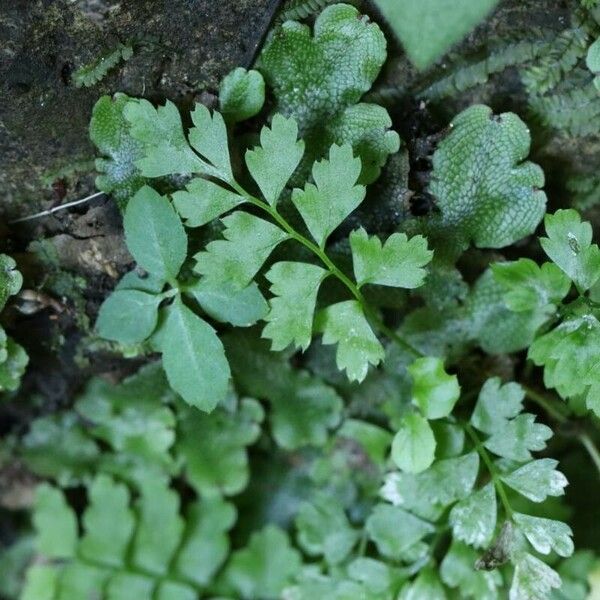
Known as the Lace Spleenwort, Asplenium incisum is a delicate gem often found clinging to mossy rock faces or tucked into the cracks of ancient stone walls throughout East Asia. Its intricate, finely divided fronds give it an airy, ethereal appearance that belies its hardy, mountain-dwelling nature. Whether discovered in a traditional Japanese rock garden or a wild forest, this fern brings a sense of ancient, quiet serenity to its surroundings.
🔍 How to Identify
- 🌿 Finely Cut Fronds: The leaves are bipinnate (twice-divided), featuring deep, "incised" cuts that give the plant its botanical name and a feathery, lace-like texture.
- 🎨 Deep Green Lustre: The foliage maintains a rich, grassy green hue with a subtle semi-gloss finish that helps it stand out against grey stone or dark soil.
- 🏺 Tufted Growth: It grows in tidy, fountain-like clumps, with fronds radiating outward from a central crown, usually reaching a modest height of 15 to 30 centimeters.
🏡 In Your Garden
- 🪨 The Rock Connection: Because this fern is naturally "lithophytic" (rock-dwelling), it despises heavy, waterlogged soil. It thrives best when tucked into gritty, well-draining pockets or rocky substrates that mimic its mountain home.
- ☁️ Humidity Over Watering: While it needs consistent moisture, it is particularly sensitive to dry air. It prefers a sheltered, humid spot where parching winds won’t tatter its delicate edges, making it a favorite for shaded courtyard gardens.
⚠️ Safety & Toxicity
- 🛡️ Non-Toxic Status: Asplenium incisum is generally considered non-toxic to humans and is not known to contain the harsh irritants found in some other fern families.
- 🐾 Pet Friendly: This plant is safe for households with curious cats and dogs. However, discourage your pets from munching on the fronds, as any plant material can cause minor digestive upset if ingested in large quantities.
✨ Fun Fact
📜 Ancient Medicine: The genus name Asplenium comes from the Greek word "splen," meaning spleen. In ancient folklore, it was believed that these ferns could cure ailments of the spleen because the linear spore patterns on the underside of the leaves were thought to resemble the organ’s shape!

Detailed Care Instructions
Growing Asplenium incisum, also known as bird's nest fern, can be a rewarding process if you follow some key guidelines for care and maintenance. Here are the steps to help you successfully grow this plant:
Light:
- Indirect Light: Asplenium incisum prefers bright, indirect light. Direct sunlight can scorch the leaves, so it’s best to place the plant in a spot where it gets filtered light, like near a north or east-facing window.
Temperature:
- Moderate Temperatures: It thrives in temperatures ranging from 60-75°F (15-24°C). It’s important to keep the plant away from drafts, cold windows, and air conditioning vents.
Humidity:
- High Humidity: This fern loves humidity. If the air is too dry, its leaves might turn brown at the edges. To maintain high humidity, you can:
- Mist the leaves regularly.
- Place a humidifier nearby.
- Use a pebble tray: Fill a shallow tray with pebbles and add water until the pebbles are partially submerged. Place the plant pot on top of the pebbles.
Watering:
- Mist the leaves regularly.
- Consistent Moisture: Keep the soil consistently moist but not waterlogged. Water the plant when the top inch of soil feels dry. Water thoroughly, allowing excess water to drain out.
- Avoid Stagnant Water: Ensure the pot has drainage holes to prevent waterlogging, which can cause root rot.
Soil:
- Well-Draining Soil: Asplenium incisum prefers a well-draining, rich, and slightly acidic soil. A good quality peat-based potting mix or a specific mix for ferns works well.
Fertilizing:
- Moderate Fertilization: Feed the plant with a balanced, water-soluble fertilizer (like a 20-20-20) diluted to half strength once a month during the growing season (spring and summer). Reduce feeding during the fall and winter when the plant’s growth slows down.
Pruning:
- Remove Dead Foliage: Trim off any dead or damaged fronds to maintain the plant’s appearance and health. Use clean, sharp scissors or pruning shears to make clean cuts.
Repotting:
- Every 1-2 Years: Repot the fern every 1-2 years to refresh the soil and provide more room for growth. Choose a pot that is 1-2 inches larger in diameter than the current one.
Pests and Diseases:
- Watch for Pests: Common pests include scale, mealybugs, and spider mites. Treat infestations promptly with insecticidal soap or neem oil.
- Avoid Overwatering: Be vigilant about overwatering, as it can lead to root rot and fungal issues.
By following these care instructions, your Asplenium incisum should thrive and grow beautifully, adding a touch of lush greenery to your home or garden.

Place in a window with dappled sun or a spot in the middle of a room. Or directly in a window facing west or east.
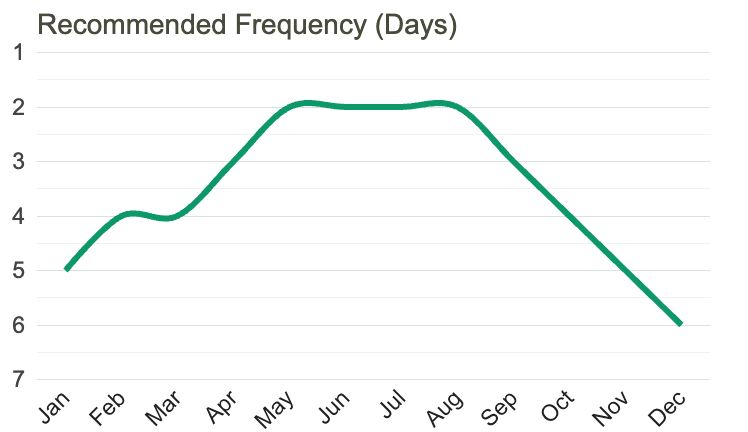
Watering an Asplenium Incisum involves providing moisture that closely mimics its natural tropical habitat. Here are the detailed steps for watering this plant:
### Watering Frequency
- **Consistency**: Keep the soil consistently moist but not waterlogged.
- **Schedule**: Water the plant when the top inch of soil feels dry to the touch. This usually means watering once a week, but the actual frequency can vary based on factors like temperature and humidity.
### Watering Method
- **Type of Water**: Use room-temperature water to avoid shocking the plant's roots.
- **Amount**: Water the plant until you see water draining from the bottom of the pot. This ensures the soil is adequately moist. Be sure to empty the drainage saucer afterward to prevent root rot.
### Indicators of Correct Watering
- **Healthy Fronds**: Proper watering should result in fronds that are vibrant and lush.
- **Soil Condition**: The soil should feel slightly damp but not soggy.
### Environmental Factors
- **Humidity**: Since this species thrives in humid conditions, maintaining a humidity level of around 50-80% can improve watering efficiency. You can increase humidity by misting the plant regularly, using a humidifier, or placing a tray of water near it.
- **Temperature**: Ideal temperatures range from 60-75°F (16-24°C). Higher temperatures may require more frequent watering.
### Seasonal Adjustments
- **Growing Season** (spring and summer): Increased growth may necessitate more frequent watering.
- **Dormant Season** (fall and winter): Reduce watering frequency, as the plant's growth slows down.
### Additional Tips
- **Avoid Overwatering**: Ensure the pot has proper drainage to prevent water from sitting at the bottom.
- **Use Well-Draining Soil**: A mix designed for ferns or a general-purpose potting soil with added perlite can improve drainage.
By following these guidelines, you'll provide your Asplenium Incisum with the optimal conditions for thriving.
Here are fertilizing instructions for Asplenium Incisum:
- Type of Fertilizer: Use a balanced, water-soluble fertilizer with an equal ratio of nitrogen, phosphorus, and potassium, such as a 10-10-10 or 20-20-20 formulation.
- Dilution: Dilute the fertilizer to half the recommended strength indicated on the packaging to avoid the risk of over-fertilizing.
- Frequency: During the active growing season (spring and summer), fertilize the plant once a month. Reduce feeding to once every two months during the fall and stop fertilizing in the winter when the plant is typically dormant.
- Application: Water the plant thoroughly before applying the fertilizer to prevent root burn. Then, apply the diluted fertilizer solution directly to the soil, avoiding contact with the leaves.
- Monitoring: Watch for signs of over-fertilization, such as browning leaf tips or yellowing of fronds. If you notice these signs, flush the soil with water to remove excess fertilizer and reduce the feeding frequency.
By following these guidelines, you can help your Asplenium Incisum thrive.
Asplenium incisum is a fern species that thrives in specific soil conditions to ensure healthy growth. When selecting soil for this plant, it is essential to focus on certain key characteristics:
- Well-Draining Soil: The soil should have excellent drainage properties to prevent waterlogging, which can lead to root rot. A mix that allows excess water to flow away quickly is ideal.
- Organic Matter: Incorporating plenty of organic matter is beneficial. This can include materials like compost, peat moss, or leaf mold. Organic matter helps retain moisture without becoming soggy and provides essential nutrients.
- pH Level: The soil should ideally be slightly acidic to neutral, with a pH range of around 5.5 to 7.0. This range supports the fern's nutrient absorption and overall health.
- Loamy Texture: Aim for a loamy soil texture, which is a balanced mix of sand, silt, and clay. This type of soil offers both good drainage and adequate nutrient retention.
- Aeration: Good aeration is crucial for the roots to breathe. Adding coarse materials like perlite or small bark chips can enhance aeration and prevent compaction.
A suitable soil mix can be created by combining equal parts of:
- Potting soil or garden loam
- Compost or well-rotted leaf mold
- Sand or perlite to improve drainage and aeration
By providing these soil conditions, you can create an optimal growing environment for Asplenium incisum, supporting its unique growth habits and overall health.
Asplenium incisum, known for its finely divided fronds and delicate appearance, can be propagated through spores. Here is a detailed guide on how to propagate this species using spores:
Materials Needed:
- Mature fronds with spores
- Paper or a spore-collecting sheet
- Spore sterilization tools (optional but recommended)
- Seedling tray or shallow pots
- Sterile potting mix (preferably a mix suitable for ferns)
- Clear plastic bag or a humidity dome
- Spray bottle with water
- Heating mat (optional but will help with germination)
Steps:
- Collecting Spores:
- Identify mature fronds with visible spores on the underside. Spores are typically brownish and located in clusters called sori.
- Cut the fronds and place them spore-side down on a piece of paper or a sheet to collect the spores as they dry and fall off.
- Identify mature fronds with visible spores on the underside. Spores are typically brownish and located in clusters called sori.
- Preparing the Substrate:
- Sterilize a suitable potting mix to minimize contamination. You can use a fern-specific mix or create your own by combining peat moss and sand.
- Fill a seedling tray or shallow pots with the sterilized mix.
- Sterilize a suitable potting mix to minimize contamination. You can use a fern-specific mix or create your own by combining peat moss and sand.
- Sowing the Spores:
- Sprinkle the collected spores thinly and evenly over the surface of the moist potting mix.
- Do not cover the spores with additional soil as they need light to germinate.
- Sprinkle the collected spores thinly and evenly over the surface of the moist potting mix.
- Creating a Humid Environment:
- Mist the surface with water using a spray bottle to ensure it remains evenly moist.
- Cover the tray or pots with a clear plastic bag or place them under a humidity dome to create a consistently humid environment.
- Mist the surface with water using a spray bottle to ensure it remains evenly moist.
- Maintaining Conditions:
- Place the covered tray in a warm area with indirect light. A temperature range between 70°F to 75°F (21°C to 24°C) is ideal for germination.
- Keep the substrate consistently moist but not waterlogged. Mist regularly with water.
- Place the covered tray in a warm area with indirect light. A temperature range between 70°F to 75°F (21°C to 24°C) is ideal for germination.
- Germination and Care:
- Germination may take several weeks. You'll first notice a green film on the soil, which is the initial gametophyte stage.
- Once tiny fern leaves (sporophytes) begin to appear, they can be gradually acclimated to open air by slowly removing the cover over a period of days.
- Continue to provide high humidity by frequent misting until the young plants are hardy enough to be transplanted.
- Germination may take several weeks. You'll first notice a green film on the soil, which is the initial gametophyte stage.
- Transplanting:
- When the sporophytes have developed several leaves and are a few centimeters tall, they can be transplanted into individual pots with a suitable potting mix.
- Handle the small plants gently to avoid damage to their delicate roots.
- When the sporophytes have developed several leaves and are a few centimeters tall, they can be transplanted into individual pots with a suitable potting mix.
- Ongoing Care:
- Maintain high humidity and indirect light as the young plants continue to grow.
- Gradually reduce misting frequency as the plants become more established, but ensure they remain in a humid and warm environment.
By following these steps, you can successfully propagate Asplenium incisum from spores and nurture new plants through to maturity.
- Maintain high humidity and indirect light as the young plants continue to grow.







