Plant Overview
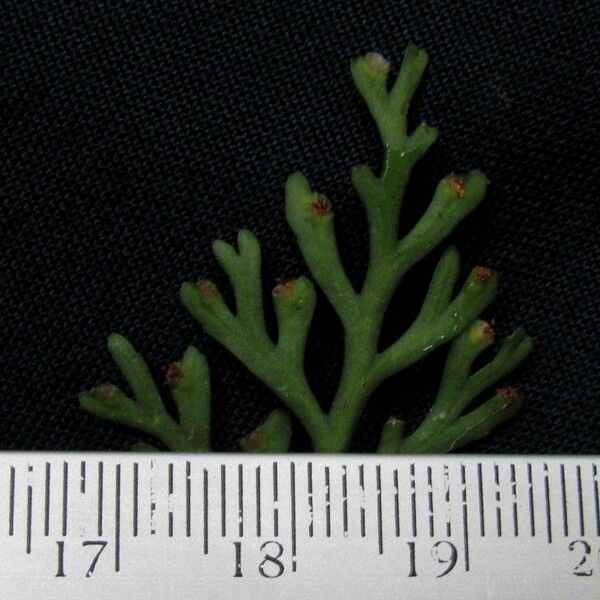
Known affectionately as the Carrot Fern due to its finely divided, succulent-like foliage, Asplenium theciferum is a miniature masterpiece of the fern world. Unlike many of its delicate, papery cousins, this "Forked Spleenwort" boasts a chunky, architectural texture that feels almost waxy to the touch. In the wild, it is a brave little adventurer, often found clinging to mossy tree branches in the mist-belt forests of Africa and Madagascar.
🔍 How to Identify
- 🌿 The Fronds: Deeply lobed and surprisingly thick, the leaves resemble the bushy tops of carrots. They have a distinct leathery or "coriaceous" feel, which helps the plant retain moisture.
- 🎨 Color Palette: A rich, deep emerald green that remains vibrant year-round, often featuring a subtle matte sheen that shrugs off water droplets.
- 📏 Growth Habit: It grows in a compact, tidy rosette. Because it is an epiphyte (a plant that grows on other plants), its root system is small and fibrous rather than deep and sprawling.
🏡 In Your Garden
- 🧗 The Airy Root Secret: Because this fern naturally lives on tree bark, it hates "wet feet" in heavy potting soil. To keep it happy, use a chunky orchid bark mix or high-quality sphagnum moss. This allows the roots to breathe just as they would in the forest canopy.
- ☁️ Microclimate Lover: It thrives in "sticky" air. While it is more resilient to dry spells than the fussy Maidenhair fern, it will look its best in a humid bathroom or a glass terrarium where the moisture stays trapped near the leaves.
⚠️ Safety & Toxicity
- 🛡️ General Status: Non-toxic and safe.
- 🐾 Pet & Child Friendly: Asplenium theciferum is generally considered safe for households with curious cats, dogs, or toddlers. It lacks the harsh alkaloids found in some other fern families, though it’s always best to discourage nibbling to keep the plant looking its best.
✨ Fun Fact
The species name theciferum translates literally to "case-bearing." This refers to the unique, pocket-like structures (called indusia) on the underside of the leaves that act like tiny protective envelopes for the plant's spores!

Detailed Care Instructions
To successfully grow Asplenium theciferum, also known as the black tree fern, follow these steps:
- Choosing the right location: Select a spot that provides the ideal conditions for the plant. Asplenium theciferum prefers partial shade or filtered sunlight. Too much direct sunlight can scorch the fronds, while insufficient light can inhibit growth. Ensure the temperature range is between 60°F to 75°F (15°C to 24°C).
- Soil requirements: Use well-draining soil with a slightly acidic pH range of 5.5 to 6.5. A mixture of peat moss, perlite, and coarse sand or orchid bark can provide adequate drainage.
- Watering: Asplenium theciferum requires consistent moisture but should not be waterlogged. When the top inch of soil feels dry, water the plant thoroughly until the water drains out the bottom of the pot. Mist the fronds regularly to provide humidity.
- Humidity: Create a humid environment around the plant by placing a tray filled with water and pebbles beneath the pot. As the water evaporates, it increases the humidity around the fern.
- Fertilization: Feed the plant with a balanced liquid fertilizer, such as a 10-10-10 formula, every 2-4 weeks during the growing season (spring and summer). Follow the manufacturer's instructions for proper dilution and dosage.
- Pruning: Remove any dead or damaged fronds to maintain the plant's appearance and health. Trim back any excessively long fronds to promote compact growth.
- Propagation: Asplenium theciferum can be propagated through spores. Collect mature spores from the undersides of the fronds and sow them on a moist peat moss and perlite mixture. Cover the container with a plastic bag to maintain humidity until germination occurs.
- Repotting: Regularly check the root system for overcrowding. If the plant outgrows its pot or becomes root-bound, it's time to repot into a slightly larger container using fresh soil.
- Pests and diseases: Monitor the fern for common pests like aphids, mealybugs, or scale insects. Treat infestations promptly with insecticidal soap or neem oil spray. Watch for signs of diseases such as root rot, and provide proper drainage and ventilation to prevent moisture-related problems.
With proper care and attention to its specific needs, your Asplenium theciferum plant should thrive and grow beautifully.
To water Asplenium Theciferum plants, it is important to consider their natural habitat and water requirements. These plants naturally grow in specific environments and have adaptations that allow them to thrive under specific conditions. Here are some guidelines to water Asplenium Theciferum plants effectively:
- Soil moisture: Asplenium Theciferum plants prefer to grow in moist soil. Regularly check the moisture levels of the soil by inserting your finger into the soil up to your knuckle. If the soil feels dry at this depth, it is time to water the plant.
- Water quality: Asplenium Theciferum plants are sensitive to the quality of water they receive. They prefer water that is free from chlorine, fluoride, or other harmful chemicals. If possible, use distilled or rainwater for watering.
- Watering frequency: Asplenium Theciferum plants require consistent moisture but can be sensitive to overwatering. Instead of following a fixed schedule, monitor the soil moisture and adjust watering frequency accordingly. Aim to keep the soil slightly moist but not waterlogged.
- Watering technique: To water Asplenium Theciferum plants without disturbing their foliage, use a watering can with a narrow spout. Slowly pour water at the base of the plant, allowing it to soak into the soil. Avoid wetting the fronds as this can lead to fungal growth and diseases.
- Drainage: Adequate drainage is crucial for Asplenium Theciferum plants. Ensure that the plant is potted in a well-draining soil mix, preferably one that includes peat moss, perlite, or sand. Excess water should be able to flow freely from the bottom of the pot to prevent waterlogging.
- Humidity: Asplenium Theciferum plants naturally prefer higher humidity levels. To replicate their native environment, you can increase humidity by misting the leaves regularly or placing a tray of water near the plant. However, avoid misting excessively as this can lead to fungal problems.
Remember, these guidelines are general recommendations and may need to be adjusted based on factors such as climate, indoor conditions, and the specific needs of your Asplenium Theciferum plant. It is always advisable to observe the plant closely and make necessary adjustments to ensure its optimal growth and health.
To fertilize the Asplenium Theciferum plant, use a balanced liquid fertilizer specifically formulated for houseplants. Follow the package instructions for the proper dilution ratio. Typically, you'll mix a small amount of the fertilizer with water. Apply the fertilizer to the plant's soil during the growing season, which is typically spring and summer. Take care not to over-fertilize, as it can damage the plant. Monitor the plant's response to the fertilizer and adjust the frequency or strength of applications if needed. Additionally, ensure that the plant is receiving adequate sunlight and water for overall healthy growth.
Asplenium theciferum is a type of fern that requires a specific type of soil to thrive and grow optimally. It prefers a well-draining soil that is rich in organic matter, providing a moist yet not waterlogged environment. The ideal soil composition for Asplenium theciferum consists of a mixture of peat moss, perlite or sand, and regular potting soil.
Peat moss is an important component as it improves moisture retention and drainage while also providing some acidity, which is beneficial for the fern. Perlite or sand, on the other hand, helps to enhance drainage and prevent soil compaction. The regular potting soil provides the necessary nutrients and supports root development.
Overall, a well-balanced soil mix is essential for maintaining good growing conditions for Asplenium theciferum, ensuring that the plant receives adequate moisture and nutrients without being overly saturated. This enables the fern to establish a healthy root system and promote lush, vibrant foliage.
Asplenium theciferum is a plant that belongs to the Aspleniaceae family and is native to certain regions. To propagate this plant, you can follow the steps below:
- Select a healthy mature specimen of Asplenium theciferum plant to use for propagation. Ensure that the plant is free from any diseases or pests.
- Prepare a suitable growing medium for the propagation process. A well-draining mixture of peat moss and perlite or a commercially available seedling mix can be used.
- Take a clean, sharp knife or shears and cut a healthy frond or leaf from the parent plant. Choose a frond that is fully mature and free from any signs of damage or disease.
- Trim the selected frond to a suitable size, ensuring that it has a section of the main stem intact. Aim for a length of around 4-6 inches (10-15 cm) with at least 2-3 inches (5-7 cm) of stem.
- Remove any lower leaves from the stem, leaving only a few small leaflets at the top. This will reduce moisture loss and allow the energy to be directed towards root development.
- Dip the base of the stem in a rooting hormone powder or gel to promote root growth. This step is optional but can enhance the success rate.
- Plant the prepared stem into the pre-moistened growing medium, burying it about 1-2 inches (2-5 cm) deep. Gently press the soil around the stem to ensure good contact.
- Place the potted stem in a warm and humid environment with bright, indirect light. A humidity dome or a clear plastic bag can be used to create a mini greenhouse.
- Mist the stem with water regularly to maintain high humidity levels around the cutting. Ensure that the soil remains moist but not soggy throughout the propagation process.
- After a few weeks, inspect the cutting for signs of roots. You can gently tug on the base of the stem to check for resistance, indicating root development.
- Once roots have developed, which may take several weeks to a few months, carefully transplant the rooted cutting into a larger container filled with a suitable potting mix.
- Continue to care for the newly propagated Asplenium theciferum plant as you would for an established specimen, providing it with appropriate light, water, and humidity levels.
By following these steps, you should be able to successfully propagate Asplenium theciferum plant and grow new individuals from a single parent plant.








