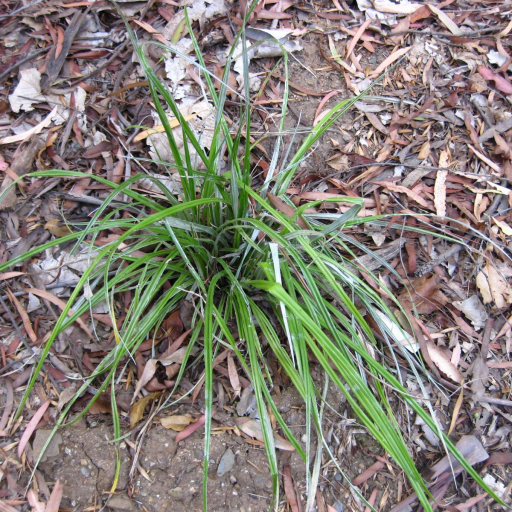
Plant Overview
Often called Wharariki or the Coastal Astelia, this New Zealand native is the epitome of rugged elegance. Thriving where other plants would wither, it is frequently found clinging to windswept cliffs and basking in salty sea spray. Its striking silver-green foliage acts like a mirror, catching the light and bringing a touch of the wild coastline into modern landscapes.
🔍 How to Identify
- 🍃 Silvery Sheen: The long, sword-like leaves have a distinct metallic, silvery-green hue, particularly on the underside, which helps the plant reflect intense coastal sunlight.
- 📐 Deep V-Shape: Each leaf is "keeled," meaning it folds into a sharp V-shape at the base, giving the plant a structured, architectural silhouette that holds its shape even in high winds.
- 🌑 Glossy Berries: If you have a female plant, look for clusters of small, shiny black or dark purple berries nestled deep within the foliage during the autumn months.
🏡 In Your Garden
- 🌊 Coastline King: This plant is incredibly salt-tolerant. It is a perfect choice for coastal gardens or exposed balconies where salt spray and buffeting winds would shred more delicate species.
- 🏜️ Drainage is Key: While it looks lush and tropical, the Coastal Astelia hates "wet feet." It has evolved to live on steep banks where water drains away instantly; in a garden, ensure the soil is gritty and well-drained to prevent root rot.
⚠️ Safety & Toxicity
- ✅ Non-Toxic Status: Astelia banksii is generally considered safe and non-toxic for both humans and household pets like cats and dogs.
- ✂️ Physical Caution: While not chemically dangerous, the leaf edges are quite tough and can be sharp. Use garden gloves when pruning or thinning out old leaves to avoid minor skin irritations or "leaf cuts."
✨ Fun Fact
The species name banksii honors Sir Joseph Banks, the legendary English botanist who traveled with Captain James Cook on the HMS Endeavour during his first voyage to New Zealand in 1769!

Detailed Care Instructions
To grow Astelia banksii plants, follow the steps below:
- Choose a suitable location: Astelia banksii prefers a well-draining soil and partial shade to full sun. It can tolerate a range of soil types but thrives in moist, fertile soil.
- Prepare the planting area: Clear the area of any weeds or grass and loosen the soil.
- Planting: Dig a hole that is slightly larger than the root ball of the plant. Place the plant in the hole, making sure it is at the same level as the surrounding soil. Backfill the hole with soil and firm it gently around the plant.
- Watering: Water the newly planted Astelia banksii thoroughly to settle the soil around the roots. After that, water regularly to keep the soil evenly moist but not waterlogged.
- Mulching: Apply a layer of mulch around the base of the plant to help retain moisture and suppress weed growth. Avoid piling mulch against the stem of the plant.
- Fertilizing: Astelia banksii is generally low maintenance and doesn't require frequent fertilization. However, you can apply a slow-release fertilizer in early spring to promote healthy growth.
- Pruning: Prune any dead, damaged, or diseased leaves from the plant as needed. This will help improve the plant's appearance and overall health.
- Protection: In colder climates, provide protection for Astelia banksii during frost or freezing temperatures. Use frost blankets or cover the plant with straw or similar materials.
Remember to regularly monitor the plant for any signs of pests or diseases and take appropriate action if needed. Overall, Astelia banksii is a hardy plant that requires minimal care once established.

Place in a window with dappled sun or a spot in the middle of a room. Or directly in a window facing west or east.

To water this plant, ensure that the soil is dry to the touch before watering deeply. Water the plant at the soil level, avoiding watering the leaves or stems as they may rot. Allow excess water to drain out of the pot or container. During the winter months, reduce watering as the plant goes into a dormant period.
To fertilize the Astelia Banksii plant, use a balanced fertilizer with an NPK ratio of 10-10-10 or 20-20-20. Apply the fertilizer in the spring and then again in the summer, following the package instructions for dosage. Avoid over-fertilizing as it can lead to excessive leaf growth and damage the plant. Always water the plant thoroughly before and after fertilizing to prevent burning of the roots.
Astelia Banksii is a type of plant that prefers well-draining, nutrient-rich soil. A good soil mix to use for this plant would consist of a blend of organic matter such as compost or aged manure, along with a coarse grit like perlite or sand to provide good drainage. Avoid using heavy, clay-like soils that can retain too much moisture and suffocate the plant's root system. Additionally, ensure that the soil pH is neutral to slightly acidic, as this plant does not tolerate alkaline soils well. It is also important to keep the soil consistently moist, but not waterlogged, as overwatering can lead to root rot and other issues.
Astelia Banksii is a plant that can be propagated by collecting its seeds and planting them in well-drained soil. The seeds can be collected during the plant's flowering season. Once the seeds are collected, they should be cleaned and stored in a cool, dry place until they are ready to be planted.
To plant the seeds, prepare a potting mix of perlite, sand and peat moss and fill a pot with the mix. Make small holes in the soil and plant the seeds about 2cm deep. Water the potting mix to lightly moisten it and cover the pot with a plastic bag to keep the moisture in.
The pot should be placed in a warm, well-lit spot but not in direct sunlight. It may take several weeks for the seeds to germinate. Once they have sprouted, the plastic bag may be removed, and the plants watered regularly.
When the plants have grown to a size where they can be handled, they can be transplanted to larger pots or directly into the ground. Astelia Banksii prefers well-drained soil, and it is important to ensure the plant does not become waterlogged.
Overall, propagating Astelia Banksii from seed is a relatively straightforward process and can be done by avid gardeners or those with little experience.








