Plant Overview
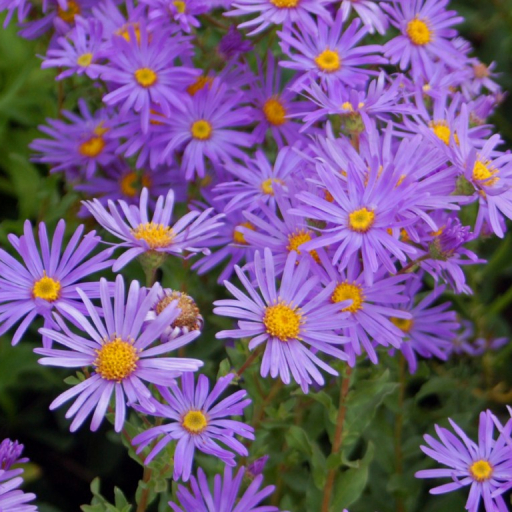
Known as the Italian Aster or the European Michaelmas-daisy, Aster amellus is the undisputed "late-bloomer" of the garden world. While other plants begin to wither as summer fades, this hardy perennial bursts into a sea of violet and gold, providing a final, vital feast for pollinators. Its name is steeped in history, likely originating from the Mella River in Italy, where it has been admired since the days of ancient Rome.
🔍 How to Identify
- 🌸 The "Star" Flower: It features classic daisy-like blooms with narrow, radiating petals in shades of lavender-blue or deep violet, surrounding a prominent golden-yellow center.
- 🍃 Rough-Textured Foliage: The leaves are dark green, lance-shaped, and covered in tiny, stiff hairs that give them a slightly sandpaper-like feel.
- 📏 Compact Stature: Unlike many taller Aster species that require staking, this variety grows in neat, upright mounds, usually staying between 12 to 24 inches tall.
🏡 In Your Garden
- ⛰️ Lover of Lime: Unlike many garden plants that prefer neutral soil, this aster is a "calcicole"—it thrives in alkaline, lime-rich, or chalky soils. If your soil is too acidic, it may struggle to take up nutrients.
- ☀️ Sun & Airflow: It demands full sun to produce its best colors. Because it has a naturally bushy habit, it enjoys good air circulation, which helps keep its foliage healthy and vibrant until the first frost.
- 🦋 Pollinator Magnet: Because it blooms so late in the season (August to October), it acts as a critical "filling station" for butterflies and bees preparing for winter.
⚠️ Safety & Toxicity
- 🐾 Non-Toxic: Aster amellus is generally considered safe and non-toxic for dogs, cats, and horses. It is a very "family-friendly" addition to the landscape.
- 🧤 Mild Irritation: While not poisonous, the tiny hairs on the leaves and stems can cause very mild skin redness or itching for gardeners with highly sensitive skin. Wearing gloves while deadheading is a simple precaution.
✨ Fun Fact
The Roman poet Virgil famously praised this plant in his writings over 2,000 years ago, suggesting that its roots should be boiled in honey-flavored wine and placed near beehives to nourish the bees during the autumn months!

Detailed Care Instructions
| Lighting | Full Sun |
To grow Aster Amellus plant, follow these steps:
- Choose a suitable location: Aster Amellus prefers full sun to partial shade. Select a spot that gets at least 6-8 hours of direct sunlight per day. Ensure the soil is well-draining and rich in organic matter.
- Prepare the soil: Before planting, loosen the soil to a depth of 12-15 inches using a garden fork or tiller. Remove any weeds or debris from the area.
- Planting: Dig a hole that is slightly larger than the root ball of the Aster plant. Place the plant in the hole, ensuring the top of the root ball is level with the soil surface. Backfill the hole with soil, gently firming it around the roots.
- Watering: Water the newly planted Aster Amellus thoroughly after planting. Afterward, water regularly to keep the soil moist but not waterlogged. Avoid overwatering, as it can cause root rot.
- Mulching: Apply a layer of organic mulch around the base of the plant. This helps to retain soil moisture, suppress weeds, and regulate soil temperature.
- Fertilizing: In early spring, apply a balanced, slow-release fertilizer according to the package instructions. This will provide essential nutrients throughout the growing season. Additionally, you can top-dress the soil with compost or organic matter annually.
- Pruning: To encourage bushier growth and more flowers, pinch back the tips of the stems when the plant is around 6 inches tall. Deadhead spent flowers regularly to promote continuous blooming.
- Pest and disease control: Monitor the plant for common pests like aphids or mites. If necessary, use organic insecticidal soaps or other eco-friendly pest control methods. Additionally, ensure good air circulation around the plant to prevent diseases like powdery mildew.
- Winter care: Aster Amellus is generally hardy, but in colder regions, it may need protection. Apply a layer of mulch around the plant base in late fall to provide insulation and prevent frost damage.
- Divide and propagate: Every few years, divide the Aster Amellus plants to maintain their vigor. Dig up the clumps, separate the rooted sections, and transplant them to new locations.
By following these steps, you can successfully grow Aster Amellus plants and enjoy their beautiful blooms.

Place in a bright room that is sun drenched almost all day. Or directly in a south-facing window.

To water this particular plant, it is important to make sure that the soil is moist but not waterlogged. This can be achieved by gently watering the soil around the base of the plant, allowing water to soak in slowly. It is important to avoid getting water on the leaves, as this can lead to disease or damage. Additionally, it is important to monitor rainfall and adjust watering as necessary to prevent overwatering. During hot, dry weather, it may be necessary to water the plant more frequently to ensure that it stays healthy and hydrated. Finally, it is important to use a well-draining soil to prevent water from accumulating around the roots and causing damage.
To fertilize the Aster Amellus plant, apply a balanced fertilizer with equal amounts of nitrogen, phosphorus, and potassium in early spring before new growth begins. Mix the fertilizer into the soil around the base of the plant, being careful not to disturb the roots. Water thoroughly after fertilizing and repeat the application every four to six weeks throughout the growing season. Avoid over-fertilizing, as this can lead to weak growth and decreased flowering.
The best soil to use with this plant is a well-draining, loamy soil that is rich in organic matter. The ideal pH range for the soil is between 6.0 and 7.0. If the soil is too acidic or alkaline, it can affect the growth and overall health of the plant. It is recommended to mix in compost or other organic matter with the soil before planting to improve soil fertility and texture. The plant prefers moist soil but does not tolerate waterlogging, so proper drainage is crucial. Additionally, the plant benefits from regular mulching to retain moisture and suppress weed growth.
To propagate this plant, you will need to first find a healthy stem or root from an established plant. You can then cut the stem or root into smaller sections, each with a few buds or roots. These sections can be planted in a moist, well-draining soil and kept in a warm and bright location. Over time, the sections will develop roots and begin to grow into new plants. This method of propagation is commonly used by gardeners to increase their stock of this plant and can be done in the spring or fall.
Common pests of the european michaelmas-daisy include Spider mites, larvae. Make a habit of checking your european michaelmas-daisy frequently for pests so that any infestations can be caught and managed early.








