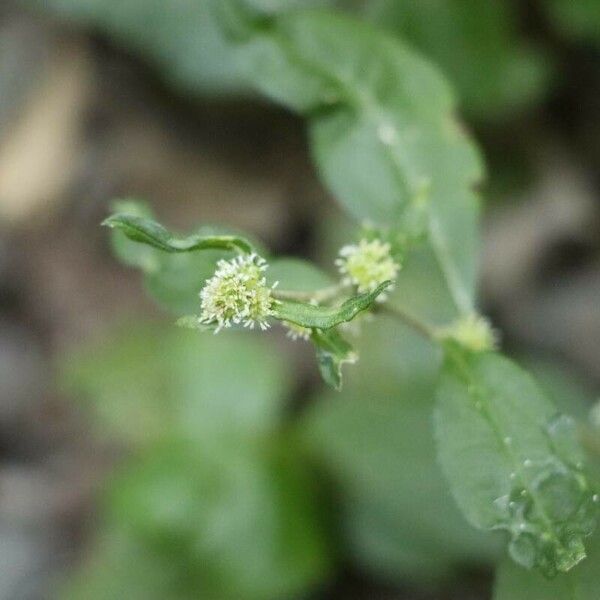
Plant Overview
Known affectionately as the Whorled Tickseed or Threadleaf Coreopsis, this plant is the ultimate summer-long performer for sunny borders. Its delicate, feathery foliage gives it an airy, "misty" appearance that belies its incredible toughness and drought resistance. For many gardeners, it is the go-to "set it and forget it" perennial for creating a sea of golden-yellow stars that persist from June until the first frost.
🔍 How to Identify
- 🌿 Whorled Foliage: The most distinct feature is its thread-like leaves that grow in "whorls" (circles) around the stem, giving the plant a soft, needle-like texture.
- 🌼 Star-Shaped Blooms: Features prolific, 1-inch wide daisy-like flowers with bright yellow petals and a matching yellow center.
- 🌱 Mound Habit: It grows in a dense, bushy mound that typically reaches 1 to 3 feet in height and width, looking more like a small shrub than a typical wildflower.
🏡 In Your Garden
- ✂️ The "Chelsea Chop": To keep the plant from getting leggy or flopping over, you can shear the foliage back by half in late spring. This encourages a tidier, denser shape and a more explosive bloom cycle.
- 🏜️ Drought Strategy: Its fine, needle-like leaves are a clever evolutionary trick to minimize surface area and prevent water loss. This makes it a champion for rock gardens or sandy soils where other plants might wilt.
- 🦋 Pollinator Magnet: While it is low-maintenance for humans, it is high-traffic for nature; its flat flower heads provide an easy landing pad for butterflies and hoverflies.
⚠️ Safety & Toxicity
- ✅ Non-Toxic: Good news for pet owners—this plant is classified as non-toxic to dogs, cats, and horses by the ASPCA.
- 🧤 Skin Sensitivity: While not poisonous, some individuals may experience minor skin irritation (contact dermatitis) when handling the sap or bruised foliage, so gardening gloves are recommended during heavy pruning.
✨ Fun Fact
The common name "Tickseed" comes from the appearance of the plant's seeds, which are small, dark, and curved—closely resembling a tiny beetle or a tick! Fortunately, they are much more welcome in the garden than their namesake.

Detailed Care Instructions

Place in a bright room that is sun drenched almost all day. Or directly in a south-facing window.

Some plants require more regular watering than others, which should be done every few days. It's critical to maintain the soil moist all of the time. The water requirements of the same plant placed in pots with varying sizes will differ. Because the water in the smaller pot evaporates faster than the water in the larger pot, it will require more watering. Regardless of pot size, the surface should constantly be maintained moist.








