Plant Overview
Often called the "False Spirea," Astilbe × rosea is the elegant ballerina of the shade garden. With its soft, frothy plumes that seem to glow in dim corners, this hybrid has been a favorite for woodland landscapes for over a century. It is the perfect solution for gardeners who want vibrant color in those tricky, damp, and dark spots where other flowers refuse to bloom.
🔍 How to Identify
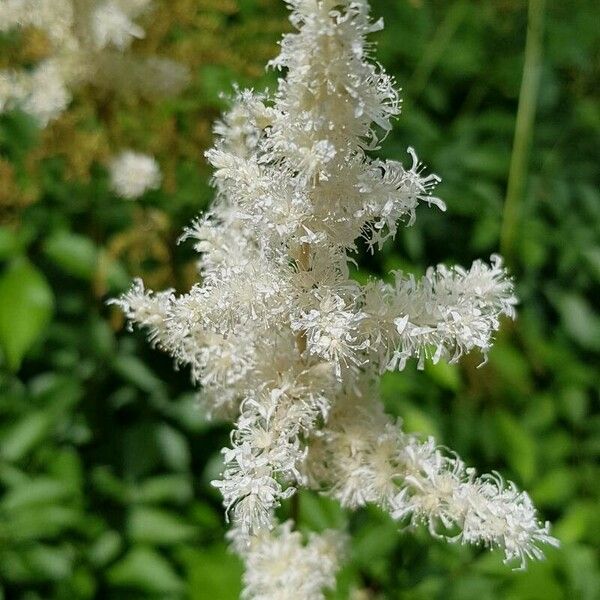
- 🌸 The Plumes: Features dense, pyramid-shaped clusters of tiny rose-pink flowers that look like soft, fuzzy feathers or "bottlebrushes" standing upright.
- 🍃 The Foliage: Deep green, glossy leaves that are deeply divided and serrated at the edges, closely mimicking the texture of a hardy fern.
- 📏 Growth Habit: It grows in a neat, mounded clump, with the stiff flower stalks rising elegantly above the leaves to catch the light.
🏡 In Your Garden
- 💧 Thirsty Roots: This plant is a "marsh-lander" at heart. It will wilt almost instantly if the soil dries out completely; it thrives near ponds, streams, or in heavy clay soils that retain moisture.
- ☁️ Shadow Dweller: While most flowers crave the sun, Astilbe × rosea performs best in partial to full shade. Too much afternoon sun will scorch the delicate foliage, turning the leaf edges crispy and brown.
- ✂️ Winter Interest: You don’t need to rush to cut back the spent flower stalks in autumn. They turn a beautiful dried bronze color that provides architectural interest and texture to a snowy winter garden.
⚠️ Safety & Toxicity
- 🛡️ Safe Status: This plant is considered non-toxic to humans and is generally safe to handle without gloves.
- 🐾 Pet Friendly: It is a "worry-free" choice for pet owners. It is non-toxic to cats, dogs, and horses, making it ideal for low-level border planting where curious pets might wander.
✨ Fun Fact
✨ The name Astilbe actually means "without sheen" in Greek (A = without, stilbe = brightness). This is a bit of a botanical joke, as it refers to the individual tiny flowers being dull on their own—but when thousands of them huddle together in a plume, they create one of the most brilliant displays in the plant kingdom!

Detailed Care Instructions
Growing Astilbe × rosea, a popular hybrid with beautiful plume-like flowers, requires some specific steps to ensure the plant thrives. Here are the steps and considerations for successfully growing Astilbe × rosea:
1. Choosing the Right Location:
- Light: Astilbes prefer partial to full shade. While they can tolerate some morning sun, too much direct sunlight can scorch their delicate foliage and flowers.
- Soil: Astilbes thrive in rich, well-drained, and consistently moist soil. They don't tolerate drought well, so it's important to keep the soil evenly moist.
2. Soil Preparation:
- Amend the Soil: Before planting, work compost or well-rotted manure into the soil to improve fertility and moisture retention. Astilbes like slightly acidic to neutral pH soil (5.5 to 7.0).
- Drainage: Ensure the planting area has good drainage to prevent waterlogging, which can lead to root rot.
3. Planting:
- Timing: Plant Astilbe in the spring or fall. Both seasons provide suitable conditions for root establishment.
- Spacing: Space plants about 12-18 inches apart, depending on the variety, to allow for their growth and proper air circulation.
- Depth: Plant the root crown just below the soil surface, covering with about 1 inch of soil. If planting potted Astilbe, plant it at the same depth it was in the pot.
4. Watering:
- Consistency: Keep the soil consistently moist, especially during dry periods. Astilbes require regular watering, especially during the growing season.
- Mulching: Apply a 2-3 inch layer of mulch around the base of the plants to help retain soil moisture and regulate soil temperature.
5. Fertilizing:
- Initial Planting: Use a balanced, slow-release fertilizer during planting to give the plants a good start.
- Maintenance: Feed the plants with a balanced, granular fertilizer (such as 10-10-10) in early spring as new growth begins.
6. Maintenance:
- Deadheading: Remove spent flowers to encourage further blooming and maintain plant appearance.
- Division: Every 3-4 years, divide the clumps in early spring or fall to rejuvenate plants and control their spread.
- Pests and Diseases: Astilbes are relatively pest-free, but watch out for slugs and snails. Good air circulation helps prevent fungal diseases like powdery mildew.
7. Winter Care:
- In colder regions, add a layer of mulch or leaves around the base of the plant to protect it from freezing temperatures. In spring, remove the mulch to allow new growth.
Additional Tips:
- Companion Plants: Astilbes pair well with other shade-loving plants like hostas, ferns, and heucheras.
- Variety Selection: Choose varieties that suit your garden’s specific conditions and desired flower colors. Astilbe × rosea hybrids come in shades of pink, white, and red.
By following these guidelines, you can enjoy the beautiful, feathery plumes of Astilbe × rosea in your garden, providing color and texture to shaded areas.
When it comes to watering Astilbe × Rosea, it's essential to provide the right amount of moisture to ensure healthy growth, as they prefer consistently damp conditions. Here are some detailed guidelines:
Watering Frequency and Timing
- Consistent Moisture: Astilbe × Rosea thrives in consistently moist soil. This plant does not tolerate drought well, so it’s important to keep the soil evenly moist at all times.
- Regular Schedule: Water them regularly, especially during dry spells. Check the soil frequently, and water when the top inch feels dry to the touch.
- Morning Watering: Water them in the morning to allow the foliage to dry out during the day, which helps prevent fungal diseases.
Methods of Watering
- Soaker Hoses or Drip Irrigation: Using soaker hoses or drip irrigation systems can help to provide consistent moisture directly to the roots without wetting the foliage excessively.
- Hand Watering: If you water by hand, aim to apply water at the base of the plant rather than overhead. Avoid wetting the leaves to minimize the risk of fungal infections.
Soil and Mulch
- Mulching: Applying a layer of mulch (such as compost, bark chips, or peat moss) around the base of the plants helps to retain moisture and keep the soil cool. Make sure the mulch is a few inches away from the stems to prevent rot.
- Well-Draining Soil: While they like moisture, ensure that the soil is well-draining to prevent water stagnation. Amending the soil with organic matter can improve drainage while maintaining necessary moisture levels.
Environmental Considerations
- Shady Locations: These plants prefer partial to full shade, which helps the soil retain moisture longer compared to sunny locations.
- Humidity: Ensure the surrounding environment is humid if you are in a particularly dry climate. Misting the area around the plant can help increase humidity levels.
Additional Tips
- Consider Rainfall: Take into account the natural rainfall when determining your watering schedule. Reduce watering if there has been significant rainfall.
- Avoid Overwatering: While they prefer moist conditions, overwatering can lead to root rot. Ensure that the water drains well and that the roots are not sitting in water.
By following these guidelines, you can ensure that your Astilbe × Rosea receives the right amount of water for optimal growth and health.
Here are fertilizing instructions for Astilbe × Rosea:
- Soil Preparation: Before planting, enrich the soil with organic matter such as compost or well-rotted manure. This will improve soil structure and nutrient content.
- Initial Fertilization: At planting time, incorporate a balanced slow-release fertilizer into the soil. A 10-10-10 (N-P-K) formula works well.
- Spring Feeding: In early spring, when new growth begins to emerge, apply a balanced granular fertilizer around the base of the plants. Follow the manufacturer’s instructions for dosage.
- Mid-Season Boost: During the growing season (late spring to early summer), top dress with a layer of compost or apply a liquid fertilizer every 4-6 weeks. If you notice the plants require more nutrients, consider using a fertilizer with a higher phosphorus content to promote flowering.
- Organic Options: If you prefer organic methods, you can use fish emulsion, seaweed extract, or other organic fertilizers. Apply these according to the package directions.
- Watering After Fertilizing: Always water thoroughly after applying any fertilizer to help distribute nutrients through the soil and reduce the risk of root burn.
- Mulching: Mulch around the base of the plants with organic material such as shredded bark or leaf mold. This helps retain moisture, suppress weeds, and slowly provides nutrients as it breaks down.
- Autumn Care: In the fall, after the plants have finished blooming, you can apply a light layer of compost or well-rotted manure to feed the roots through the winter.
With these steps, your Astilbe × Rosea should receive the nutrients it needs to thrive.
Astilbe × Rosea thrives best in moist, well-draining soils that are rich in organic matter. Here are some detailed soil requirements for optimal growth:
- Soil Type: The preferred soil should be loamy or clayey. These types of soil retain moisture well but also provide sufficient drainage to prevent waterlogging.
- pH Level: A slightly acidic to neutral pH is ideal. The range should be between 5.5 and 6.5. Soil that is too alkaline can hinder the plant’s nutrient uptake.
- Organic Matter: The soil should be enriched with plenty of organic material such as compost, well-rotted manure, or leaf mold. High organic content helps retain moisture and provides essential nutrients over time.
- Moisture: Consistent moisture is crucial, but the soil should not be waterlogged. Mulching around the plants can help maintain soil moisture and temperature, and reduce the frequency of watering.
- Drainage: While the plant requires moisture, it should not stand in water. Ensure that the soil has good drainage properties to prevent root rot. Amending heavy clay soils with sand or gravel can improve drainage.
- Preparation: Before planting, it is beneficial to work the soil to a depth of at least 12 to 15 inches and incorporate organic matter thoroughly. This will create a friable soil texture that promotes healthy root development.
By providing these soil conditions, you will create an ideal environment for Astilbe × Rosea to flourish, yielding vibrant blooms and healthy foliage.
Propagating Astilbe × Rosea can be done effectively through division or from seed. Here's a detailed guide for both methods:
Division
- Timely Action: The best time for division is early spring or late fall, when the plant is dormant or just beginning to grow.
- Preparation: Dig up the entire plant carefully using a spade or garden fork. Be careful not to damage the roots.
- Division Process: Shake off the excess soil to expose the root system. Look for natural divisions where the roots can be separated. Each division should have at least one growing point or bud and a healthy portion of roots.
- Replanting: Replant the divisions immediately into a prepared bed. Ensure each section is planted at the same depth as the original plant, with the crown at soil level.
- Watering: Water the divisions thoroughly after planting to help settle the soil around roots and eliminate air pockets. Keep the soil consistently moist as the new plants establish themselves.
Seed Propagation
- Seed Collection: Collect seeds from the plant once the flowering period has ended and seeds have matured. This usually involves waiting until the seed heads dry out and can be easily harvested.
- Stratification: To improve germination, seeds may require a period of cold stratification. Place seeds in a moist substrate (like sand or a paper towel) and refrigerate them for about 4-6 weeks.
- Sowing Seeds: Sow the stratified seeds on the surface of a seed-starting mix in containers or trays. Lightly press them into the soil, but do not cover them as they need light to germinate.
- Germination: Maintain a consistent moisture level and place the containers in a well-lit area with indirect sunlight. Germination can take several weeks, so be patient.
- Transplanting: When seedlings are large enough to handle, they can be transplanted into individual pots. Gradually acclimate the seedlings to outdoor conditions (hardening off) before planting them in the garden.
Care Tips
- Soil: Ensure the soil is well-draining yet retains moisture. Amend the soil with organic matter if necessary.
- Watering: Keep the soil consistently moist, especially in the first growing season.
- Mulching: Apply mulch around the base of the plant to retain moisture and suppress weeds.
- Location: Choose a site with partial to full shade; too much direct sunlight can cause stress.
By carefully following these steps, you can successfully propagate Astilbe × Rosea through either division or seed, ensuring healthy growth and vibrant flowering in your garden.







