Plant Overview
Known affectionately as the Ground Plum or Buffalo Plum, this resilient member of the pea family is a true survivor of the North American Great Plains. It is one of the first plants to bloom in the spring, offering a splash of purple to the prairie before the tall grasses wake up. Historically, its fleshy, plum-like fruits were a vital source of hydration and nutrition for travelers and indigenous peoples crossing the dry midwestern landscapes.
🔍 How to Identify
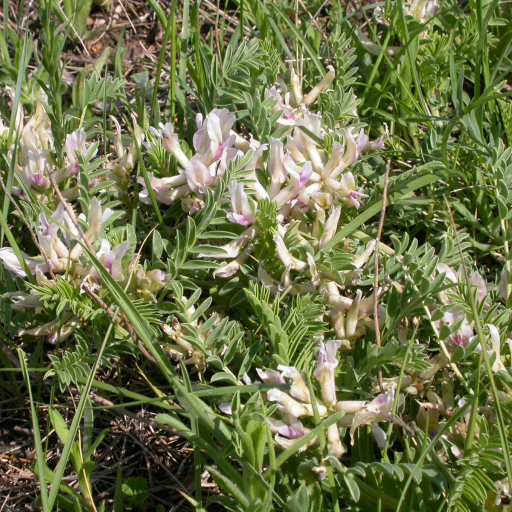
- 🌿 The Foliage: It features silvery-green, compound leaves that grow in a feathery pattern along sprawling, ground-hugging stems.
- 🌸 The Blooms: In early spring, you’ll see dense clusters of pea-shaped flowers, ranging in color from creamy white to deep violet or lavender.
- 🍒 The "Plum": The most striking feature is its fruit—thick-walled, fleshy pods that look like green grapes or small plums, turning reddish-purple as they bake in the sun.
🏡 In Your Garden
- 🌱 Root Resilience: This plant develops a deep, sturdy taproot to survive droughts and prairie fires. Because of this, it absolutely hates being moved once established; choose its "forever home" carefully!
- 🐝 Pollinator Power: It is a magnet for native bees and butterflies. As a nitrogen-fixer, it also works behind the scenes to improve the quality of your soil, making it a "team player" in any native plant meadow.
⚠️ Safety & Toxicity
- 🟢 Status: Generally non-toxic and historically edible, but requires expert identification.
- 🐾 The Look-Alike Risk: While the fruits of Astragalus crassicarpus are edible (tasting like crunchy pea pods), many of its cousins in the Astragalus genus are known as "Locoweeds." These relatives accumulate toxic levels of selenium or produce alkaloids that are dangerous to livestock, pets, and humans. Never consume unless you are 100% certain of the species.
✨ Fun Fact
Native American tribes, including the Lakota and Pawnee, used the juicy "plums" as a way to quench thirst when water was scarce. They can be eaten raw, cooked, or even pickled, though they become tough and woody once the seeds inside fully mature!

Detailed Care Instructions
To grow Astragalus crassicarpus, also known as groundplum milkvetch, you can follow these steps:
- Planting: Choose a well-draining soil with a pH level of around 6 to 7.5. Clear the area from weeds and loosen the soil. Sow the seeds directly into the ground in early spring or fall, as they require cold stratification to germinate. Scatter the seeds thinly and cover them with a thin layer of soil.
- Watering: Keep the planting area consistently moist until germination occurs. After that, water the Astragalus crassicarpus regularly during dry spells, but avoid overwatering to prevent root rot.
- Sunlight: Plant the Astragalus crassicarpus in a location that receives full sun exposure. This plant thrives in bright, sunny conditions and requires at least 6 hours of direct sunlight each day.
- Maintenance: Keep the area around the Astragalus crassicarpus free from weeds and grass. Use mulch to suppress weed growth and retain soil moisture. Once established, the plant is generally low-maintenance and drought-tolerant.
- Propagation: Astragalus crassicarpus can also be propagated by division. Dig up and divide the plant in early spring or fall. Replant the divided clumps in a prepared bed and water them well.
- Harvesting: The seeds of Astragalus crassicarpus can be collected after they mature. Allow the pods to dry on the plant and then remove and store the seeds in a cool, dry place.
Note: It's important to mention that Astragalus crassicarpus is a native plant and is regulated or protected in some areas. Ensure you are complying with any local regulations before harvesting or disturbing the plant.

Place in a bright room that is sun drenched almost all day. Or directly in a south-facing window.

To water this plant, you should first check the soil for dryness. Insert your finger about 1 inch into the soil and feel for moisture. If the soil is dry to the touch, water the plant thoroughly until the water flows out of the drainage holes at the bottom of the container. It is important not to overwater the plant, as this can lead to root rot. Allow the soil to dry out slightly before watering again. This plant may require more frequent watering during periods of hot, dry weather.
To fertilize your Astragalus Crassicarpus plant, follow the instructions below:
- Choose a balanced, all-purpose fertilizer with an N-P-K ratio (nitrogen, phosphorus, potassium) of 10-10-10 or similar.
- Dilute the fertilizer in water according to the manufacturer's instructions. Usually, a ratio of 1 tablespoon of fertilizer per gallon of water is recommended.
- Water your Astragalus Crassicarpus plant thoroughly before fertilizing to prevent any potential burning from the fertilizer.
- Pour the diluted fertilizer solution around the base of the plant, taking care not to splash it on the foliage.
- Apply the fertilizer once every four to six weeks during the growing season, from spring to fall. Avoid fertilizing during the plant's dormant period.
- Monitor the plant's response to fertilization. If you notice any signs of over-fertilization, such as wilting leaves or yellowing, discontinue the application and water thoroughly to flush out excess nutrients.
- Always follow the recommended dosage and frequency of application on the fertilizer package, as different brands may have varying instructions.
Note: Remember to wear gloves and protective eyewear when handling fertilizers, and store them in a secure place away from children and pets.
The soil that is best suited for the plant you are referring to is a well-draining rocky or sandy soil with a pH range of 6.5 to 7.5. It is important that the soil is not too moist or too compacted, as this can lead to root rot and other issues. Additionally, the plant prefers to grow in full sun exposure with occasional shade during the hottest parts of the day. Finally, it is recommended to fertilize the soil with a low-nitrogen, high-phosphate fertilizer to promote healthy growth and flowering.
To propagate Astragalus Crassicarpus, follow these steps:
- Choose a healthy and mature plant: Select a parent plant that is well-established and free from diseases or pests. It should have a desirable growth habit and strong stems.
- Select the propagation method: You can propagate Astragalus Crassicarpus through several methods, including seed germination, division, or stem cuttings. Choose the method that suits your resources and preferences.
- Seed germination:
a. Collect seeds: Astragalus Crassicarpus produces pea-like pods containing multiple seeds. Wait until the pods mature and turn brown before collecting them.
b. Prepare the soil: Fill a seed tray or small pots with a well-draining soil mixture. It should consist of a blend of sand, perlite, and peat moss.
c. Sow the seeds: Place the seeds on the soil surface and cover them with a thin layer of the soil mixture. Gently press down to ensure good seed-to-soil contact.
d. Provide ideal conditions: Place the tray or pots in a warm and bright location, such as near a window. Keep the soil consistently moist but not waterlogged. Germination usually occurs within 1-2 weeks.
e. Transplant the seedlings: Once the seedlings develop a few sets of true leaves, they can be transplanted into individual pots. Allow them to grow until they are strong enough for outdoor planting.
- Division:
a. Choose the right time: Early spring or fall is the ideal time to divide Astragalus Crassicarpus. The plant should be dormant or preparing for new growth.
b. Dig up the plant: Carefully lift the entire plant out of the ground or container. Gently shake off excess soil to expose the root system.
c. Divide the root mass: Using a clean and sharp gardening tool, separate the root mass into smaller sections. Each section should have a good amount of healthy roots and a portion of the stem.
d. Replant the divisions: Prepare the planting area by loosening the soil and adding organic matter. Dig a hole deep enough to accommodate the root system of each division. Place the division in the hole and backfill with soil, ensuring that the soil is firm around the root system.
e. Water and care for the divisions: Water the newly planted divisions thoroughly and regularly to establish their root systems. Provide appropriate sunlight, moisture, and protection from extreme weather conditions.
- Stem cuttings:
a. Select cuttings: Choose healthy and disease-free stems from the parent plant. Cuttings should be around 6-8 inches long and have at least 2-3 leaf nodes.
b. Prepare the cuttings: Remove the lower leaves from the stem, leaving only a few at the top. Dip the cut end of the stem in a rooting hormone powder to improve rooting success.
c. Plant the cuttings: Insert the treated end of the cutting into a well-draining potting mix or a mixture of perlite and peat moss. Make sure the cuttings are planted deep enough to provide stability.
d. Create a favorable environment: Place the cuttings in a warm and humid location with bright, indirect light. Cover the cuttings with a plastic bag or place them in a propagator to maintain high humidity levels.
e. Monitor and care for the cuttings: Mist the cuttings regularly to keep the surrounding environment humid. Avoid overwatering, as it can lead to stem rot. After a few weeks, roots should start to develop. Once the cuttings have rooted, gradually acclimate them to lower humidity levels.
By following these propagation methods, you can expand your Astragalus Crassicarpus collection and enjoy the beauty of this plant in your garden or landscape.








