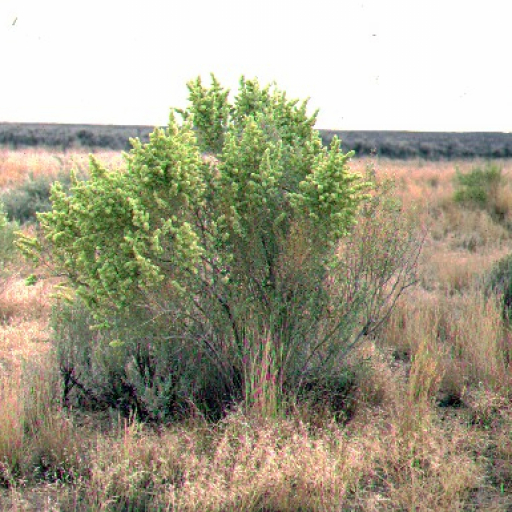
Plant Overview
Known as the Fourwing Saltbush, this silver-hued shrub is a legendary survivor of the North American deserts. It earns its name from the unique, papery wings on its seeds, which flutter in the breeze like tiny kites. Indigenous cultures have long respected this plant, utilizing its roots for soap and its leaves as a nutritious, salty seasoning for corn and meats.
🔍 How to Identify
- 🍃 Scurfy Foliage: The leaves are narrow and covered in tiny, grayish-white scales that give the entire plant a dusty, metallic sheen.
- 🦋 Four-Winged Fruit: Look for the distinctive clusters of seeds; each one is encased in four papery, fan-like "wings" that help the seeds travel long distances on the wind.
- 🪵 Rugged Structure: It grows as a dense, woody shrub, often reaching 3 to 6 feet in height, with a sprawling and irregular shape that provides excellent cover for desert wildlife.
🏡 In Your Garden
- 🏜️ The Desert Specialist: This is a "set it and forget it" plant for arid climates. It thrives in poor, sandy, or even highly alkaline soil where most other plants would wither, making it a champion for erosion control and xeriscaping.
- 🧤 The "No-Water" Hedge: Once established, the Fourwing Saltbush has a massive taproot that can reach deep into the earth, meaning it rarely needs supplemental watering. It makes an excellent, low-maintenance privacy screen or windbreak for sun-scorched backyards.
⚠️ Safety & Toxicity
- 🐾 Pet & Human Safety: Atriplex canescens is generally considered non-toxic to humans and common household pets like dogs and cats.
- 🐄 Selenium Accumulator: While it is a valuable forage plant for wild deer and sheep, it can accumulate high levels of selenium if grown in specific soils. In rare cases, this can be an issue for livestock if they eat it in massive quantities over a short period.
✨ Fun Fact
The "Saltbush" isn't just a name—this plant actually breathes salt! It absorbs salty water through its roots and pushes the excess salt out through tiny bladders on its leaves. When these bladders burst, they leave behind the signature silvery "scurf" that reflects sunlight and keeps the plant cool in the desert heat.

Detailed Care Instructions
To grow Atriplex canescens, also known as Four-wing Saltbush or Chamiso, you can follow these steps:
- Choose the right location: Atriplex canescens plants thrive in dry and arid regions. They can tolerate a wide range of soil conditions, but prefer well-draining sandy or rocky soils. Select a spot with plenty of sunlight exposure.
- Planting: Atriplex canescens can be propagated from seeds. Sow the seeds directly into the soil in early spring or fall when the soil is still warm. Lightly cover the seeds with soil, as they require some light for germination. Space the plants around 3-5 feet apart to allow enough room for growth.
- Watering: Initially, water the newly planted seeds regularly to keep the soil slightly moist until they germinate. Once established, Atriplex canescens is drought-tolerant and requires little to no irrigation. Watering during periods of extreme drought or prolonged dryness can help keep the plants healthy.
- Maintenance: Atriplex canescens is a low-maintenance plant. It is resistant to most pests and diseases. However, weed control is necessary during the first year until the plants grow more robustly. You can apply a layer of organic mulch around the plants to suppress weed growth.
- Pruning: Occasional pruning can help maintain the plant's shape and remove any dead or damaged branches. Pruning can be done in late winter or early spring before the new growth begins.
- Fertilization: Atriplex canescens generally does not require fertilization. However, if you notice a decline in growth or yellowing of leaves, you can apply a slow-release, balanced fertilizer in early spring.
- Propagation: Aside from seeds, Atriplex canescens can also be propagated using cuttings. Take 6-8 inch stem cuttings from healthy plants in late spring or early summer. Dip the cut end in rooting hormone and plant them in a well-draining potting mix. Place the cuttings in a warm, bright location and keep the soil slightly moist. They should root within a few weeks.
Remember, Atriplex canescens is adapted to survive in arid conditions, so avoid overwatering, as it may cause root rot. Once established, these plants can be very hardy and require minimal care.

Place in a bright room that is sun drenched almost all day. Or directly in a south-facing window.

To properly water this plant, you should first determine its watering needs by considering factors such as the environment it is growing in, the soil type and moisture level, and the stage of growth. Depending on these factors, you may need to water more or less frequently, but as a general rule, it's best to water deeply and infrequently rather than shallowly and frequently.
Before watering, check the soil moisture level by sticking your finger about 1-2 inches into the soil. If it feels dry at that depth, it's time to water. When watering, aim to saturate the root zone which is about 6-8 inches deep for this plant. Avoid getting water on the leaves as this can promote disease.
To water effectively, use a watering can or hose with a diffuser head attachment to distribute water evenly and gently. Water slowly and steadily to allow the water to soak in deeply rather than running off the surface. It's best to water early in the morning or late in the evening when temperatures are cooler and transpiration rates are lower.
Finally, be mindful not to overwater as this can also harm the plant. If you notice the plant's leaves turning yellow or the soil becoming saturated, adjust your watering schedule accordingly. This will help ensure your plant stays healthy and happy.
To fertilize this plant, it is recommended to use a balanced organic fertilizer with an NPK ratio of 10-10-10. Apply the fertilizer in early spring as new growth begins, and again in early summer. Be sure to water the plant thoroughly after fertilizing to ensure the nutrients are absorbed properly by the roots. Avoid overfertilizing as this can lead to salt buildup in the soil.
The ideal soil type for the plant is well-draining and sandy or gravelly in texture. It should also be slightly alkaline with a pH between 7.0 and 8.5. The plant prefers soils with low nutrients and moisture levels, and it can tolerate high levels of salinity and alkalinity. It is important that the soil is not too compacted as this plant prefers loose soil for root growth. Finally, it is recommended to topdress the soil with a layer of organic matter to improve soil structure and fertility.
To propagate this plant, you will need to take stem cuttings during the active growing season. Choose healthy stems that are approximately 4-6 inches long and make sure to sterilize your cutting tool to prevent the spread of disease. Remove the lower leaves from the stem, leaving only a few of the upper leaves intact. Dip the cut end of the stem in rooting hormone powder and plant it in well-draining soil. Water the cutting well and keep it in a warm and sunny location, making sure the soil does not dry out completely. After a few weeks, new roots should begin to form, and you can transplant the cutting into a larger pot or in a garden bed.








