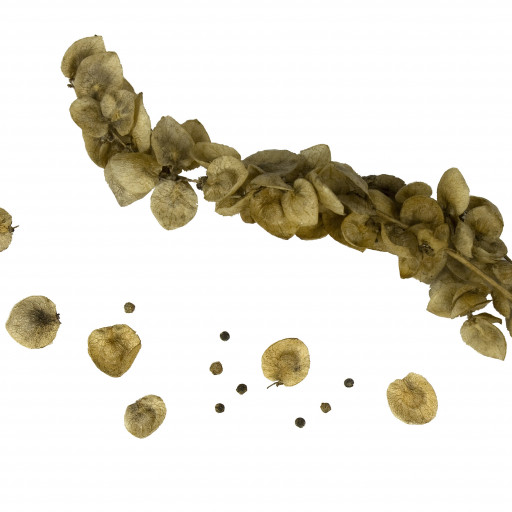
Plant Overview
Often called "Mountain Spinach" or "Orach," this ancient leaf vegetable was a staple in European kitchens long before true spinach gained popularity. With its vibrant hues ranging from emerald green to deep magenta, it serves as both a nutritional powerhouse and a stunning ornamental feature in the garden. Historically, its ability to thrive in poor, salty soils made it a "survival crop" for coastal communities throughout the Mediterranean.
🔍 How to Identify
- 🍃 Leaf Shape: Look for large, triangular or heart-shaped leaves with slightly wavy edges and a matte, almost dusty texture.
- 🎨 Vibrant Varieties: While the wild form is green, the garden varieties often feature striking deep purple, blood-red, or golden-yellow foliage.
- 📏 Growth Habit: Unlike low-growing common spinach, Orach can grow quite tall, reaching up to 4 to 6 feet if allowed to flower, forming a branched, upright structure.
🏡 In Your Garden
- ☀️ Heat Endurance: One of Orach’s biggest advantages is its resilience. While traditional spinach "bolts" (goes to seed) and turns bitter as soon as the weather warms up, Orach stays tender and palatable much longer into the summer.
- ⚓ The Taproot Rule: This plant develops a deep, sturdy taproot very early in its life. Because of this, it hates being moved; it is best to sow seeds directly into the garden soil rather than starting them in pots and transplanting them.
- 🦋 A "Trap" Crop: Gardeners often plant Orach near more delicate vegetables because it is a favorite of aphids. By attracting the pests to its own sturdy stems, it can help keep your prize roses or peppers pest-free.
⚠️ Safety & Toxicity
- 🥗 Safe for Consumption: Orach is non-toxic and highly nutritious for humans, often described as having a "salty spinach" flavor.
- 🧪 Oxalic Acid: Like its cousins in the Amaranth family (spinach and chard), it contains oxalic acid. People with a history of kidney stones should enjoy it in moderation.
- 🐾 Pet Safety: It is generally considered non-toxic to cats and dogs, though curious pets who munch on the leaves might experience mild digestive upset from the fiber.
✨ Fun Fact
Orach has a colorful history—literally! In the Middle Ages, the deep red and purple varieties were not just used for food; the seeds and leaves were used to create natural dyes for fabrics and even used to tint hair.

Detailed Care Instructions
To grow Atriplex hortensis plant, also known as Mountain Spinach or Garden Orache, follow these steps:
- Choose a suitable location: Atriplex hortensis prefers full sun to partial shade and well-draining soil. Ensure it has enough space to grow as it can reach a height of 2-3 feet.
- Prepare the soil: Loosen the soil and mix in organic matter, such as compost or well-rotted manure, to improve its texture and fertility. Atriplex hortensis prefers soil with a pH level between 6.0-7.5.
- Sow the seeds: Directly sow the seeds in the prepared soil in the early spring, after the last frost has passed. Alternatively, you can start them indoors about 4-6 weeks before the last frost date and transplant the seedlings once they are sturdy enough.
- Planting: Plant the seeds about ¼ to ½ inch deep in the soil. Space each seed or seedling around 12-18 inches apart to provide enough room for them to grow.
- Watering: Atriplex hortensis requires moderate watering. Keep the soil moist but not overly soggy. Water deeply and less frequently to encourage root development.
- Mulching: Apply a layer of organic mulch, such as straw or wood chips, around the base of the plants. Mulching helps retain moisture, suppresses weed growth, and maintains a consistent soil temperature.
- Fertilizing: Atriplex hortensis generally doesn't require excessive fertilization. However, you can apply a balanced fertilizer once every 4-6 weeks during the growing season if necessary.
- Pruning and harvesting: Trim off any dead or damaged leaves as needed to maintain plant health. Harvest the young leaves when they reach around 6-8 inches in length. Regular harvesting encourages the plant to produce more leaves.
- Pests and diseases: Atriplex hortensis is relatively resistant to pests and diseases. However, keep an eye out for common leaf-eating insects like aphids or caterpillars. If necessary, use organic pest control methods or insecticidal soap to manage the infestation.
By following these steps, you can successfully grow Atriplex hortensis and enjoy its nutritious and flavorful leaves throughout the growing season.

Place in a bright room that is sun drenched almost all day. Or directly in a south-facing window.

In order to properly water this plant, it is important to take into consideration the type of soil it is planted in and the overall growing conditions. Atriplex Hortensis plants prefer well-draining soil and should be watered deeply and infrequently, allowing the soil to dry out slightly between watering. The frequency of watering will vary depending on factors such as the plant's location, temperature, and humidity levels. If the plant is in a particularly dry or hot environment, it may require more frequent watering. However, it's important to avoid overwatering, as this can contribute to root rot and other issues. When watering, aim to moisten the soil to a depth of at least a few inches, and be sure to avoid getting water on the leaves or stem, as this can promote fungal growth. It's also a good idea to monitor the plant for signs of stress, such as wilting or yellowing leaves, and adjust your watering routine accordingly.
Atriplex Hortensis requires a soil that is rich in nutrients. For optimal growth, fertilize the plant with a balanced fertilizer during the growing season, typically once every four to six weeks. Use a slow-release fertilizer or organic fertilizer that is high in nitrogen, phosphorus, and potassium. Avoid using fertilizers that are too high in nitrogen, as this can lead to excessive foliage growth at the expense of blooms. Apply the fertilizer according to the manufacturer's instructions and water the plant well after fertilizing to ensure that the nutrients are evenly distributed throughout the soil.
The Atriplex Hortensis plant grows best in well-draining, sandy soil that is slightly alkaline with a pH between 7.0-7.5. It requires soil that is rich in nutrients, particularly nitrogen, and tolerates soils that are slightly saline or low in fertility. It prefers soils that are loose and friable, allowing for good aeration and drainage. However, it can also tolerate heavy clay soils if organic matter is added to improve drainage and loosen the soil. It is important to avoid planting in soils that are waterlogged or poorly drained, as this can lead to root rot and other diseases. In summary, the best soil for Atriplex Hortensis is well-draining, slightly alkaline, nutrient-rich, and loose and friable.
To propagate this plant, take a stem cutting from a healthy and mature plant. The cutting should be taken from the top of the plant and should have at least two nodes. Remove the leaves from the lower node and dip the cut end of the stem in rooting hormone. Plant the cutting in a well-draining potting mix and water it thoroughly. Cover the pot with a plastic bag to maintain humidity and place it in a bright spot but out of direct sunlight. After a few weeks, roots will begin to form and the plant can be slowly acclimated to more light and less humidity.








