Plant Overview
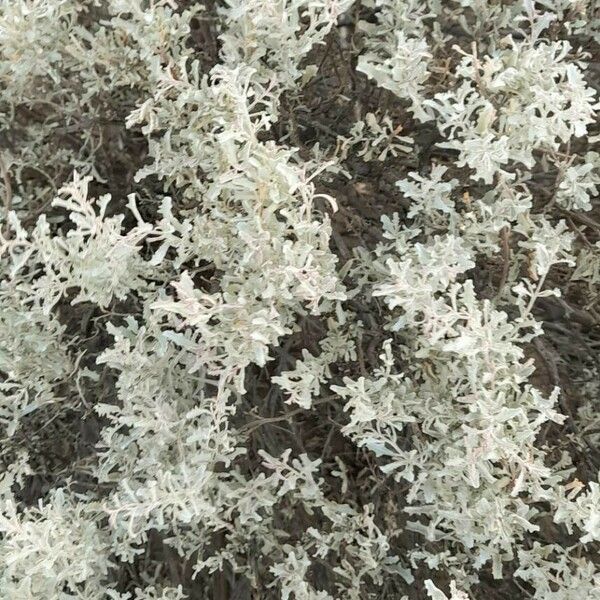
Known as the "Zampa" or "Patagonian Saltbush," Atriplex lampa is a true survivor of the windswept plains of Argentina and Chile. This hardy, evergreen shrub is a master of adaptation, sporting a distinctive silvery-blue hue that allows it to thrive where other plants would wither. In its native habitat, it is celebrated as a vital protector of the soil and a reliable source of food for wandering livestock.
🔍 How to Identify
- 🍃 Foliage: The leaves are lance-shaped, somewhat fleshy, and covered in a dense layer of tiny, scurfy scales that give the plant its signature metallic, silvery-gray appearance.
- 🌿 Growth Habit: A multi-branched, woody shrub that typically reaches waist-height, forming dense, rounded mounds that help it resist heavy winds.
- 🌼 Flowers: It produces small, inconspicuous clusters of yellowish-green flowers at the tips of its branches, which lack traditional petals but are essential for local pollinators.
🏡 In Your Garden
- 🌬️ Coastal & Arid Specialist: This plant is an absolute champion for xeriscaping or coastal gardens. It is exceptionally tolerant of salt spray and high-salinity soils, making it perfect for stabilizing ground in "difficult" areas.
- ☀️ Sun Protection: The silvery "dust" on its leaves isn't just for looks—it acts as a biological sunblock. This reflection helps the plant stay cool and prevents water loss, meaning it requires very little irrigation once established.
⚠️ Safety & Toxicity
- 🛡️ Safe Assessment: Atriplex lampa is generally considered non-toxic to humans, dogs, and cats.
- 🐏 Livestock Forage: In Patagonia, it is a primary food source for sheep. However, because the plant "excretes" excess salt onto its leaf surfaces, the foliage can be quite salty to the taste, which usually discourages pets from munching on it.
✨ Fun Fact
The silvery scales on the leaves are actually tiny "salt bladders." The plant pumps excess salt from the soil into these microscopic balloons; when they get too full, they burst, coating the leaf in a salty crust that reflects sunlight and protects the plant from freezing temperatures.

Detailed Care Instructions
To grow Atriplex lampa (also known as Chilean Saltbush), you can follow these steps:
- Climate requirements: Atriplex lampa is native to coastal regions of Chile and prefers a mild to Mediterranean climate. It can tolerate full sun but also fares well in partial shade. Ensure your climate matches these conditions as it is not suitable for very cold or tropical areas.
- Soil preparation: Atriplex lampa thrives in well-draining soil with a pH range of 6.5 to 7.8. The soil should be rich in organic matter. Amend the soil with compost or well-rotted manure before planting to improve its fertility and drainage.
- Seed selection and sowing: Purchase Atriplex lampa seeds from a reputable source. The seeds are small and resemble tiny pebbles. Sow the seeds directly in the prepared soil during spring or fall, as these seasons offer optimal germination conditions. Gently press the seeds into the soil, covering them with a thin layer of soil or sand.
- Watering: While Atriplex lampa is drought-tolerant once established, it requires regular watering during its initial growth stages. Water the newly planted seeds regularly, but be careful not to overwater, as excessive moisture can cause rot. Once the plants are well-established, they will require less frequent watering.
- Maintenance: Atriplex lampa is relatively low-maintenance. However, it is essential to remove weeds and keep the area around the plants clear. Mulching the soil with organic material will help suppress weed growth and conserve moisture.
- Pruning: Atriplex lampa can tolerate light pruning for shaping and removing dead or damaged branches. Prune in late winter to early spring before new growth appears.
- Fertilization: Atriplex lampa generally does not require frequent fertilization. However, you can apply a balanced slow-release fertilizer once a year in early spring to provide some additional nutrients.
- Pests and diseases: Atriplex lampa is relatively resistant to pests and diseases. However, occasionally, it can be susceptible to aphids or leaf spot diseases. Monitor your plants regularly and take appropriate measures if any issues arise.
- Harvesting: Atriplex lampa can be harvested once it reaches maturity, approximately 2-3 years after planting. The leaves and young shoots are edible and can be used in salads, soups, or cooked as a vegetable.
By following these steps, you can successfully grow Atriplex lampa. Remember to always refer to specific growing instructions provided with the seeds or consult local experts for more detailed guidance tailored to your specific region.
Atriplex Lampa is a type of plant that requires regular watering to sustain its growth and survival. To water this plant, you should first check the soil moisture level by sticking your finger into the soil. If the soil is dry up to one inch deep, it is time to water the plant. When watering, ensure that you are giving the plant enough water to thoroughly soak the soil to a depth of at least six inches. You should water the plant deeply once per week, more during hot, dry weather. It is also essential to avoid overwatering as it can cause root rot. As such, you should ensure that the soil is well-draining, and you should avoid watering if the soil is already moist. Moreover, you should always water the plant from the base and avoid getting water on the foliage. Additionally, it is recommended to mulch the soil around the Atriplex Lampa plant to help the soil retain moisture and reduce water evaporation. Overall, proper watering is crucial for the overall health and growth of the Atriplex Lampa plant.
- Use a balanced fertilizer with equal amounts of nitrogen, phosphorus, and potassium.
- Apply the fertilizer at a rate of 1 pound per 100 square feet of soil.
- Spread the fertilizer evenly around the base of the plant.
- Water the plant thoroughly after fertilizing to help the nutrients reach the roots.
- Fertilize once in early spring and again in early summer. Avoid fertilizing in late fall or winter when the plant is dormant.
The recommended soil for this plant is well-drained and moderately fertile. It should have a pH level between 6 and 8.5 and should be rich in organic matter. The soil should be able to retain moisture well without becoming waterlogged. The plant favors soils that are low in salt and can tolerate soils that are mildly alkaline. A mixture of sand, loam, and peat moss would be an ideal soil composition for this plant. It is important to ensure that the soil is not too compacted, as this can inhibit root growth and lead to poor plant health. Adequate drainage is also crucial, as the plant does not tolerate standing water.
There are several methods that can be used to propagate the Atriplex Lampa plant. One of the easiest methods is through stem cuttings, which can be taken in the early spring or summer months.
To start, select a healthy stem from the parent plant that is approximately 4-6 inches in length. Cut the stem using a clean, sharp knife or scissors, and remove any leaves from the lower half of the stem.
Next, dip the cut end of the stem into rooting hormone powder to encourage the growth of new roots. Then, plant the stem cutting in a well-draining potting mix and water thoroughly.
It is important to keep the soil moist until the new plant has established roots. To do this, cover the cutting with a plastic bag or place it in a greenhouse or under grow lights to maintain high humidity.
Within two to six weeks, the new plant will start to grow new leaves and roots. At this point, it can be transplanted into a larger pot or planted outside in well-draining soil.
Other propagation methods for the Atriplex Lampa plant include seed propagation and division of the parent plant. Both of these methods require more time and effort than stem cuttings but can yield multiple new plants from one parent.








