Plant Overview
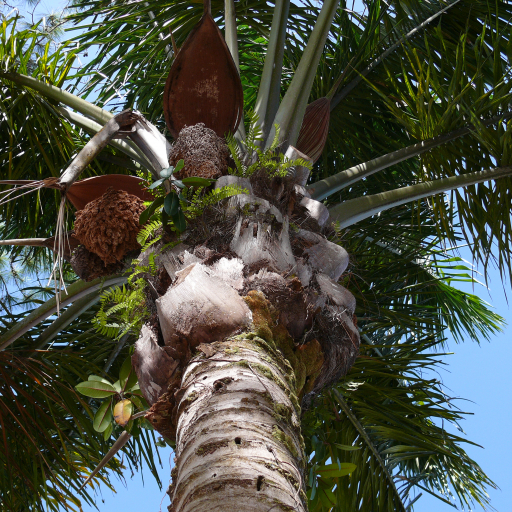
Often called the Maripa Palm or Inaja, this South American giant is a true architectural wonder of the tropical world. Known for its massive, sky-reaching fronds that look like oversized shuttlecocks, it has been a vital resource for Amazonian tribes for centuries. Whether for its nutritious oils or its majestic presence in a landscape, the Maripa is a symbol of tropical abundance and strength.
🔍 How to Identify
- 🌿 The Fronds: These are some of the largest leaves in the plant kingdom, often growing vertically before arching outward. They have a distinct "V" shape and can reach lengths of over 10 meters.
- 🥥 The Fruit: It produces heavy, hanging clusters of oval, brownish-yellow fruits. Each fruit contains a creamy pulp and a very hard, oil-rich seed.
- 🏗️ The Trunk: Unlike clumping palms, the Maripa is a solitary giant. Its trunk is smooth, greyish, and exceptionally sturdy, capable of supporting the massive weight of its crown.
🏡 In Your Garden
- 🌍 Space is Non-Negotiable: Because of its massive leaf span and deep taproot, this palm is not suitable for small backyards or indoor life once it passes the seedling stage. It needs a permanent home with plenty of vertical and horizontal room to spread.
- 🏜️ Depth Over Frequency: This palm hates being transplanted due to its sensitive root system. It prefers deep, well-draining soil where it can anchor itself. While it loves tropical humidity, it is surprisingly resilient to brief dry spells once its roots have reached deep into the earth.
⚠️ Safety & Toxicity
- ✅ Generally Safe: The Attalea maripa is considered non-toxic to humans, dogs, and cats. The fruit is actually a staple food source for many forest animals, including monkeys and macaws.
- ⚔️ Physical Hazards: The primary safety concern is the plant's sheer scale. Falling fronds or heavy fruit clusters can be dangerous. Additionally, the base of the leaves (petioles) can have sharp edges that may cause skin irritations or scratches if handled without gloves.
✨ Fun Fact
- 🕯️ Ancient Lighting: The seeds of the Maripa palm are so incredibly rich in oil that they were historically used by indigenous people to create "natural candles." By skewering several seeds on a stick, they could create a torch that would burn slowly with a bright, steady flame.

Detailed Care Instructions
To grow an Attalea maripa plant, also known as maripa palm or buriti palm, the following steps can be followed:
- Climate and location: Maripa palms thrive in tropical and subtropical regions with average temperatures between 70-90°F (21-32°C). It prefers full sunlight but can tolerate partial shade. Ensure that the location provides protection from strong winds.
- Soil: The plant prefers well-draining soil rich in organic matter. A mixture of sandy loam or sandy soil with organic compost or peat moss is suitable.
- Planting: Obtain a maripa palm seed or sapling from a reputable nursery. Soak the seed/sapling in water overnight before planting. Dig a hole in the prepared location, approximately two times the size of the root ball of the sapling or seed. Place the sapling or seed in the hole, ensuring that it is level with the surrounding soil. Fill the hole with soil, gently compacting it around the sapling or seed.
- Watering: Initially, water the plant frequently to keep the soil moist but not waterlogged. Once established, maripa palms are drought-tolerant but appreciate regular watering during dry periods. However, avoid overwatering, as excessive moisture can lead to root rot.
- Fertilizer: Apply a balanced slow-release fertilizer formulated for palm trees during the growing season, typically in spring and summer. Follow the manufacturer's instructions for the appropriate dosage. Additionally, supplement with micronutrients such as magnesium, manganese, and iron, which are often lacking in palm trees.
- Pruning: Regularly prune old, dead, or damaged fronds from the plant to maintain its appearance and health. Be careful not to prune too many healthy fronds, as the palm requires them for photosynthesis.
- Protection: Shield the plant from strong winds, as they can damage the fronds. You can also use stakes to provide support until the plant establishes a strong root system.
- Pest and disease control: Regularly inspect the palm for signs of pests such as spider mites, scale insects, or aphids. If necessary, treat with appropriate insecticides or insecticidal soaps. Additionally, watch out for diseases like Fusarium wilt or Ganoderma butt rot, and promptly consult a specialist if symptoms appear.
- Patience: Growing a maripa palm takes time as it is a slow-growing species. It can take several years before the plant reaches maturity and starts producing fruits.
Remember to consult local agricultural or gardening experts for specific care instructions tailored to your region's climate and soil conditions.
Attalea Maripa plants require a consistent and appropriate watering routine to ensure their health and growth. Here are some detailed guidelines on watering Attalea Maripa plants:
- Watering Schedule: Attalea Maripa plants prefer a regular watering schedule. Typically, water the plant once or twice a week, depending on environmental conditions. This frequency may vary depending on factors such as temperature, humidity, and soil moisture levels.
- Soil Moisture: Before watering, assess the soil moisture level by inserting your finger about two inches into the soil. If the top layer of soil feels dry, it's an indication that it's time to water the plant. However, if it feels moist, you should wait a bit before watering.
- Deep Watering: When watering, ensure that the water reaches the deeper roots of the plant. Attalea Maripa plants have extensive root systems, so shallow watering may not be sufficient. Allow the water to soak into the soil deeply, ensuring that the roots receive enough moisture.
- Water Quantity: Provide an adequate amount of water to the plant, allowing it to drain freely. Aim to moisten the soil completely without causing water stagnation, which can lead to root rot or other diseases.
- Leaf Moisture: While watering, try to avoid wetting the plant's leaves excessively. Instead, focus on watering the base of the plant, in the surrounding soil. Wet leaves may increase the risk of fungal diseases or rot, especially when the plant is exposed to prolonged periods of high humidity.
- Watering Method: There are various ways to water an Attalea Maripa plant, such as using a watering can, a garden hose with a gentle nozzle, or a drip irrigation system. Be mindful of the force with which you water; aim for a gentle flow that won't damage the plant or soil structure.
- Rainwater vs. Tap Water: If possible, use collected rainwater for watering your Attalea Maripa plant. Rainwater is often preferable due to its purity and lack of harmful chemicals commonly found in tap water. If using tap water, allow it to sit for a few hours to allow chlorine and other chemicals to evaporate before using it to water your plant.
- Seasonal Considerations: Adjust your watering routine based on seasonal changes. During hotter months or periods of high temperatures, you may need to increase the frequency of watering to prevent the soil from drying out. Conversely, reduce watering during colder months or if the plant is dormant.
Remember, the watering needs of Attalea Maripa plants may vary depending on factors such as climate, pot size, and overall plant health. Regularly monitor the moisture level of the soil and make adjustments as needed to maintain optimal conditions for your plant's well-being.
- Begin fertilizing the plant once it is established and has started actively growing.
- Use a balanced fertilizer specifically formulated for palm trees, with equal amounts of nitrogen, phosphorus, and potassium.
- Follow the manufacturer's instructions regarding the quantity of fertilizer to be used for each application.
- Apply the fertilizer evenly around the base of the plant, avoiding direct contact with the trunk.
- Water the plant thoroughly after applying the fertilizer to ensure it is absorbed by the roots.
- Fertilize the plant every few months during the growing season, typically from spring to early fall.
- Monitor the plant for any signs of over-fertilization, such as yellowing or burnt leaf tips. If observed, reduce the amount of fertilizer applied or dilute it further.
- It is recommended to use organic fertilizers, such as compost or slow-release palm fertilizers, to promote long-term soil health and reduce the risk of nutrient imbalances.
- Regularly check the plant for any nutrient deficiencies, such as yellowing or stunted growth, and adjust the fertilization routine accordingly.
- Always follow proper safety measures when handling and applying fertilizers, such as wearing gloves and avoiding contact with skin or eyes.
Attalea Maripa is a tropical plant species that requires specific soil conditions to thrive. The ideal soil type for Attalea Maripa is a well-draining soil that is rich in organic matter. It prefers slightly acidic to neutral soil pH levels, typically ranging from 5.5 to 7.5.
The soil should have good moisture retention capabilities, allowing the roots to access water while also ensuring excess water drains away. It is important to avoid waterlogged or excessively dry soil, as it can lead to root rot or dehydration.
Additionally, Attalea Maripa benefits from a soil mixture that has good aeration, as it helps the roots to breathe and prevents waterlogged conditions. Incorporating perlite or coarse sand into the soil mixture can improve drainage and aeration.
To provide sufficient nutrients for the plant's growth, it is recommended to amend the soil with organic matter such as compost or well-rotted manure. This will enhance the soil's fertility and promote healthy root development.
Overall, the key qualities of the soil for Attalea Maripa include good drainage, moisture retention, aeration, and nutrient richness. Following these guidelines will help create an optimal growing environment for this tropical plant.
Attalea maripa is a tropical plant native to South America. If you are interested in propagating it, here is a detailed step-by-step guide:
- Preparing the Seeds: Collect ripe fruits of Attalea maripa from the parent plant. The fruits are usually large and round with a leathery outer skin. Remove the skin and extract the seeds within. The seeds are usually covered in a slimy, fibrous pulp.
- Cleaning the Seeds: Remove the slimy pulp from the seeds using water and a sieve. Gently rub the seeds to get rid of any remaining pulp.
- Soaking the Seeds: Fill a container or bowl with warm water and submerge the seeds in it. Let them soak for around 24-48 hours to enhance germination. Change the water at least once during this period.
- Seed Germination: After soaking, place the seeds in a well-draining potting mix or seed-starting mix. Sow the seeds about half an inch deep into the soil. Ideally, use individual seed trays or small pots to provide enough space for each seed.
- Optimal Growing Conditions: Attalea maripa thrives in warm, humid climates. Provide the seedlings with a warm temperature range of 75-85°F (24-29°C) and maintain high humidity levels, preferably above 60%.
- Watering and Moisture: Keep the soil consistently moist but not overly saturated. Water the seedlings regularly, ensuring the soil doesn't dry out completely. Use a misting spray bottle to provide additional moisture and maintain humidity around the plants.
- Light Requirements: Place the seedlings in a bright location with indirect sunlight. Attalea maripa prefers dappled shade or filtered sunlight during its early growth stages. Avoid exposing the seedlings to direct sunlight, as it can scorch the delicate leaves.
- Transplanting: Once the seedlings have grown 4-6 true leaves and are well-established, they can be transplanted into larger pots or containers. Use a well-draining potting mix with added organic matter. Handle the seedlings gently while transplanting to avoid any damage to their delicate roots.
- Continued Care: Provide regular care for your Attalea maripa plant, including regular watering, appropriate fertilization with a balanced fertilizer, and protecting it from extreme temperatures or harsh weather conditions.
- Patience and Growth: Attalea maripa is a slow-growing plant, and it may take several years to develop into a mature palm tree. Be patient and continue to provide the necessary care and attention to ensure its healthy growth.
Remember, Attalea maripa is a tropical plant that requires specific growing conditions. It's essential to research and understand its specific needs to propagate and cultivate the plant successfully.








