Plant Overview
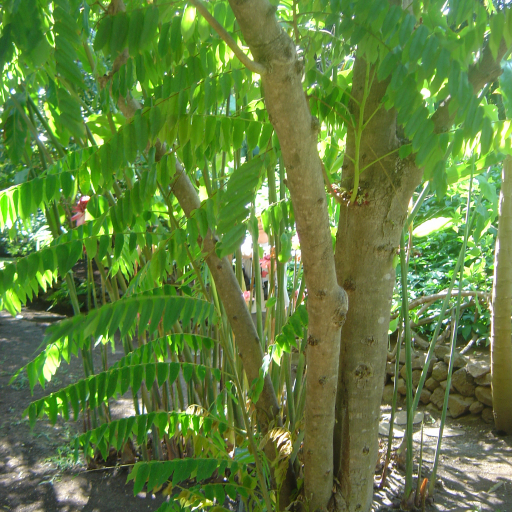
Known as the "Cucumber Tree" or "Tree Sorrel," the Averrhoa bilimbi is the zingy, rebellious cousin of the common Star Fruit. Native to the tropical climates of Southeast Asia, this tree is famous for its intensely sour fruit and its peculiar habit of flowering directly from its trunk. It is a favorite among gardeners who want a productive fruit tree that doubles as a stunning, fern-like ornamental piece.
🔍 How to Identify
- 🍃 Feather-Like Foliage: The leaves are long and pinnate, consisting of many small, oval leaflets that give the tree a soft, graceful appearance similar to a fern.
- 🌸 Trunk-Borne Blooms: Unlike most trees, its tiny, fragrant maroon flowers emerge in clusters directly from the bark of the trunk and main branches.
- 🥒 Cucumber-Like Fruit: The fruit is smooth-skinned, cylindrical, and pale green. They look like small, crunchy pickles hanging in heavy bunches against the wood.
🏡 In Your Garden
- 🌞 Tropical Temperament: This tree is a true sun-lover and cannot tolerate frost. If you live in a cooler climate, it requires a greenhouse or a very sunny, sheltered spot to thrive during the winter.
- 💧 Hydration Nuance: While it enjoys consistent moisture, the Bilimbi is sensitive to "wet feet." It needs rich, well-draining soil to prevent root rot, as it prefers to drink deeply and then breathe.
- 🌳 Space & Growth: It is a relatively small and fast-growing tree, making it manageable for medium-sized gardens, though it prefers not to be crowded by other heavy feeders.
⚠️ Safety & Toxicity
- 🍋 High Acidity: The fruit is extremely high in oxalic acid. While delicious in chutneys or pickles, it should be consumed in moderation by humans, particularly those with a history of kidney stones.
- 🐾 Pet Caution: The high oxalic acid content makes the fruit and leaves potentially toxic to dogs and cats if ingested in large amounts, leading to digestive upset or more serious kidney issues.
✨ Fun Fact
- 🧼 Nature's Bleach: Because the fruit juice is so acidic, it has been used traditionally as a natural cleaning agent! In many cultures, Bilimbi juice is used to remove rust from metal or to brighten white fabrics and remove stubborn stains from hands.

Detailed Care Instructions
| Humidity | Normal |
| Lighting | Full Sun |
| Difficulty | Medium |
| Hibernation | Cold Period |
| Temperature | 28°C - 36°C |
| Hardiness Zones | 10A - 11 |
To grow Averrhoa bilimbi, also known as the bilimbi or cucumber tree, you can follow these steps:
- Propagation: Start by collecting ripe bilimbi fruits and extracting the seeds. Soak the seeds in water for about 24 hours to soften the seed coat and enhance germination. Alternatively, you can collect stem cuttings from a healthy bilimbi tree.
- Potting: Fill a pot with well-draining soil or a mixture of compost and sand. Make sure the pot has drainage holes to avoid waterlogging.
- Planting: Sow the seeds or plant the cuttings about 1 or 2 inches deep in the soil. If using cuttings, remove the lower leaves to expose the nodes.
- Location: Choose a spot for your bilimbi plant that receives full to partial sun. It prefers warm and humid climates. If you live in a colder region, consider growing it in a greenhouse or indoors near a sunny window.
- Watering: Bilimbi plants require regular watering to keep the soil evenly moist, but not waterlogged. Water whenever the top inch of soil feels dry.
- Fertilization: Feed your bilimbi plant with a balanced organic fertilizer every two to three months during the growing season (spring and summer). Follow the manufacturer's instructions for dosage.
- Pruning: Regularly prune your bilimbi plant to maintain its shape and promote healthy growth. Remove any dead or diseased branches.
- Pest and disease control: Keep an eye out for common pests like aphids, fruit flies, and caterpillars. Use organic insecticides if necessary. Preventive measures include proper sanitation and removing fallen or overripe fruits from the vicinity.
- Harvesting: Depending on the variety, bilimbi fruits are usually ready to harvest when they are bright green and slightly firm to the touch. They are highly acidic when unripe, so some people prefer to wait until they turn pale yellow or orange for a milder taste.
Remember, Averrhoa bilimbi is a tropical plant, and its growth and fruit production may vary depending on the climate and environmental conditions.

Place in a bright room that is sun drenched almost all day. Or directly in a south-facing window.

To water this plant, you should first check the soil moisture level by inserting your finger into the soil about two inches deep. If the soil feels dry, it's time to water the plant. When watering, pour water slowly over the soil, allowing it to soak in without letting it flood or pool. Water the plant thoroughly, but avoid over-watering as this can lead to root rot. Wait until the top inch of soil feels dry before watering again. It's important to note that this plant prefers well-draining soil and does not tolerate waterlogged conditions.
To fertilize this plant, apply a balanced fertilizer with equal amounts of nitrogen, phosphorous, and potassium every three to four weeks during the growing season. Avoid over-fertilizing, as this can lead to excessive foliage growth and reduce fruit production. Additionally, be sure to water the plant thoroughly before and after fertilizing to prevent root burn.
Averrhoa Bilimbi plant thrives in well-draining soil with a slightly acidic pH level. The soil should be a mixture of organic and inorganic materials such as peat moss, perlite, and sand. The plant also benefits from the addition of fertilizer during the growing season. When planting, ensure that the soil is loose and airy to allow for proper root development. It is also important to make sure the soil is moist but not waterlogged.
To propagate this plant, first choose a healthy parent plant and take stem cuttings from it. The cuttings should be about 6 inches long, with at least 3-4 nodes on them. Cut the stem at a 45-degree angle with a sharp, sterile knife.
Next, remove all the leaves from the bottom half of the cutting. Dip the bottom end of the stem in rooting hormone and insert it into a small pot filled with moist soil.
Cover the pot with a clear plastic bag to create a greenhouse effect. Place the pot in a warm, bright location but not in direct sunlight. Keep the soil moist but not waterlogged.
Within a few weeks, the cutting should start to grow roots. Once the new shoots appear, remove the plastic bag and gradually expose the plant to more light.
When the plant has outgrown the pot, it can be transferred to a larger pot or planted directly into the ground. Water regularly and fertilize once a month with a balanced fertilizer. With proper care, the new plant should continue to grow and produce fruit.








