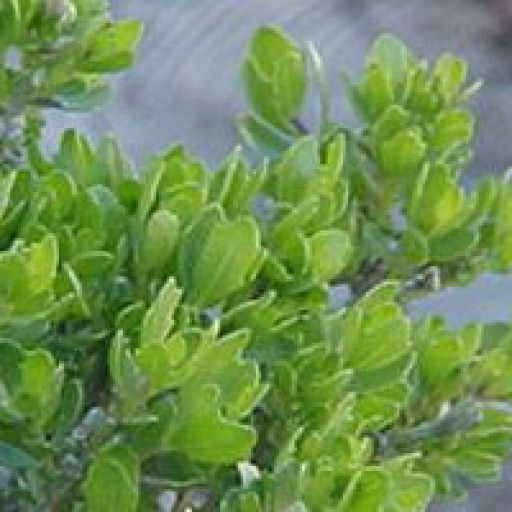
Plant Overview
Known as the "Coyote Brush" or "Chaparral Broom," this resilient evergreen is a legendary pioneer of the American West. It earned its name because it is as adaptable and widespread as the coyote itself, often being the first plant to colonize bare soil after a fire or landslide. Whether it’s hugging the ground on a windy cliffside or standing tall in a suburban garden, it serves as a vital "neighborhood hub" for local wildlife.
🔍 How to Identify
- 🍃 The Foliage: Look for small, egg-shaped leaves with jagged, "toothed" edges. They are covered in a sticky, waxy resin that helps the plant hold onto moisture during blistering summer droughts.
- ☁️ Gendered Blooms: This species is dioecious (separate male and female plants). Male plants produce yellowish, pollen-dusted "puffs," while female plants erupt in a spectacular display of white, cotton-like fluff in late autumn.
- 🏗️ Growth Habit: It is a master of disguise. In windy, coastal areas, it grows as a flat, dense mat (prostrate), while in sheltered inland spots, it can grow into a woody, upright shrub reaching up to 10 feet tall.
🏡 In Your Garden
- 🛡️ The Hillside Hero: If you have a slope prone to erosion, Coyote Brush is your best friend. Its deep, aggressive root system acts like natural rebar, locking the soil in place and preventing washouts.
- 🦋 Wildlife Magnet: It is one of the most important habitat plants in the West. It provides a "winter buffet" of nectar for butterflies and wasps when most other flowers have died off, and its dense branches offer a safe fortress for nesting birds.
- ✂️ The "Pruning" Paradox: While it is incredibly low-maintenance, it can become "leggy" and woody over time. To keep it looking lush and green, it benefits from a heavy "haircut" in late winter to encourage fresh, leafy growth.
⚠️ Safety & Toxicity
- ✅ Non-Toxic: Coyote Brush is generally considered safe and non-toxic for humans, dogs, and cats.
- 🔥 Fire Safety Note: Because it contains resins, an old, unmaintained Coyote Brush can become flammable if it's full of dead, dry wood. Keep your garden specimens "clean" and well-pruned to maintain their natural fire-resistant qualities.
✨ Fun Fact
Coyote Brush seeds are true travelers; each tiny seed is attached to a silky, white parachute called a pappus. On a windy day, a single female bush can release thousands of these "parachutes," turning a hillside into a shimmering, snowy landscape as the seeds drift for miles to find a new home.

Detailed Care Instructions
| Color | Green Foliage With White And Yellow Flowers |
| Soil Ph | 5.0-8.0 |
| Humidity | Normal |
| Lighting | Full Sun |
| Toxicity | Poisonous |
| Soil Type | Well-Draining, Sandy |
| Bloom Time | Spring To Summer |
| Difficulty | Medium |
| Plant Type | Shrub |
| Mature Size | Up To 10 Feet Tall And 6 Feet Wide |
| Native Area | New Mexico, California, And Oregon |
| Sun Exposure | Full Sun To Partial Shade |
| Hardiness Zones | 7-10 |
To grow Baccharis pilularis, commonly known as coyote brush or dwarf coyote brush, you can follow these steps:
- Choose the right location: Baccharis pilularis prefers full sun but can also tolerate partial shade. Ensure the soil is well-draining as this plant is prone to root rot in waterlogged conditions.
- Prepare the soil: Remove any existing weeds or grass from the planting area. Loosen the soil and amend it with organic matter, such as compost or aged manure, to improve its fertility and drainage.
- Planting: Dig a hole twice the size of the root ball. Place the plant in the hole and backfill with soil, gently packing it around the roots. Ensure the plant is planted at the same level it was in the nursery container.
- Watering: Water the plant thoroughly after planting to settle the soil. For the first year, water the plant regularly, keeping the soil consistently moist but not waterlogged. Once established, Baccharis pilularis is drought-tolerant and requires less frequent watering.
- Mulching: Apply a layer of organic mulch around the plant to retain moisture, suppress weeds, and regulate soil temperature. Leave a gap around the stem to prevent moisture accumulation that could lead to root rot.
- Pruning: Baccharis pilularis can be pruned if needed, but it generally maintains a compact and rounded shape. Pruning can be done in early spring to remove dead or damaged branches, shape the plant, or remove any unwanted growth.
- Maintenance: In general, Baccharis pilularis is a low-maintenance plant. It is resistant to most pests and diseases and does not require fertilization. However, you can apply a slow-release, balanced fertilizer in early spring if desired.
- Propagation: If you want to propagate more Baccharis pilularis plants, you can take semi-hardwood cuttings in late summer or early fall. Dip the end of the cuttings in rooting hormone and plant them in a well-draining potting mix. Keep the soil moist and place the cuttings in a warm, bright location until rooted.
By following these guidelines, you should be able to successfully grow Baccharis pilularis in your garden or landscape.

Place in a bright room that is sun drenched almost all day. Or directly in a south-facing window.

Baccharis Pilularis is a shrub that belongs to the Asteraceae family. It is native to western North America and can grow up to 6 feet tall. When it comes to watering Baccharis Pilularis, it is important to follow some basic guidelines.
Firstly, it is important to note that Baccharis Pilularis is a drought-resistant plant, meaning that it can survive in dry conditions. However, it does require some watering, especially during its growing season. The growing season for Baccharis Pilularis is from late spring to early fall, so this is the period when you need to focus on watering it.
In general, it is best to water Baccharis Pilularis deeply and infrequently. This means that you should water it thoroughly, but less often. The goal is to make sure that the water reaches the plant's roots, which can be done by watering it slowly and deeply. You should also make sure that the soil has good drainage, as Baccharis Pilularis does not like to sit in water.
Another important thing to consider is the weather conditions. If it is a particularly hot and dry period, you may need to water Baccharis Pilularis more frequently. On the other hand, if it has rained recently, you may not need to water it at all.
In summary, to water Baccharis Pilularis:
- Water it deeply and infrequently
- Make sure the soil has good drainage
- Monitor weather conditions and adjust watering accordingly.
To fertilize this plant, you should apply a balanced and slow-release fertilizer in spring and again in summer. It is best to spread the fertilizer evenly around the base of the plant, avoiding contact with the foliage. Make sure to water the plant well after fertilizing to help the nutrients penetrate the soil. Avoid over-fertilizing, as this can lead to excessive growth or even harm the plant.
Baccharis Pilularis plant prefers well-draining soil that is rich in organic matter. The soil should be moderately acidic with a pH range of 5.5 to 6.5. The plant can tolerate various soil types, including sandy, loamy, and clay soils. However, it is essential to avoid waterlogged soils, as this can lead to root rot. The ideal soil for Baccharis Pilularis plant should be aerated, loose, and easy to work with. It is recommended to mix in a 2-3 inch layer of organic compost into the soil before planting to improve soil quality. Additionally, the plant requires full sun exposure to thrive, making it essential to choose a location with direct sunlight when planting.
To propagate this plant, you will need to start by collecting seeds or taking cuttings from a mature plant. For seed propagation, harvest the seeds from the mature plant and plant them in a well-draining soil mix. Cover the seeds with a light layer of soil, and keep the soil moist but not waterlogged. Seeds will require warmth and light to germinate, so place them in a warm, well-lit area.
For cutting propagation, take cuttings from the tips of mature plant stems. Make a clean cut just below a leaf node, and remove any lower leaves or buds from the stem. Dip the cut end of the stem in rooting hormone powder, and plant it in a well-draining soil mix. Keep the soil moist and the cutting in a warm, well-lit area until it roots.
When the seedlings or cuttings have developed roots, transplant them into individual pots or outside in a suitable location. Keep the plants well-watered and maintain a regular fertilization schedule to encourage healthy growth. With proper care, your propagated Baccharis Pilularis plant will thrive and continue to propagate itself through its own natural means.








