Plant Overview
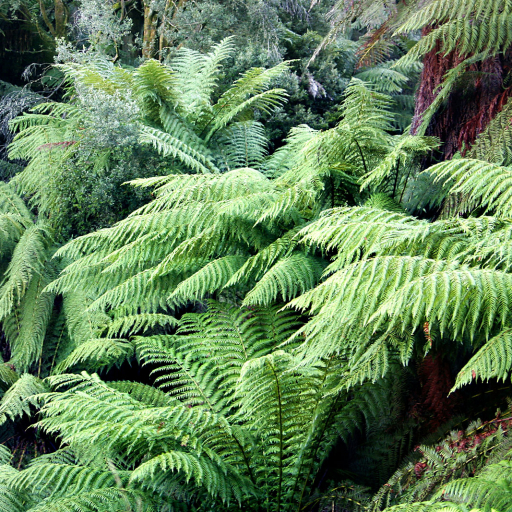
Often called the "Soft Tree Fern" or "Tasmanian Tree Fern," Balantium antarcticum (synonym Dicksonia antarctica) is a living relic from the Jurassic era. Walking past a mature specimen feels like stepping back into a time when dinosaurs roamed, as its massive, feathery fronds create a lush, prehistoric canopy. Native to the damp gullies of Australia and Tasmania, it is one of the hardiest and most beloved tree ferns in the world.
🔍 How to Identify
- 🌿 The Crown: Features massive, dark green, lace-like fronds that can reach up to 6–10 feet in length, arching gracefully from the top of the plant.
- 🪵 The "Trunk": What looks like a wooden trunk is actually a dense mass of vertical rhizomes and fibrous roots. It is soft, reddish-brown, and slightly "hairy" to the touch.
- 🌀 The Croziers: In the spring, new fronds emerge from the center of the crown as "fiddleheads" (croziers) covered in soft, brown velvety hairs before they slowly unfurl.
🏡 In Your Garden
- 💧 Trunk Watering: Unlike most plants, this fern loves to have its trunk hosed down. Because the "trunk" is made of roots, it absorbs moisture directly through its fibrous exterior to stay hydrated and cool.
- 🌑 The Shade Seekers: These ferns are perfect for those "problem" dark corners. They thrive in dappled or deep shade and will suffer from "sunburn" (yellowing fronds) if exposed to harsh, direct afternoon light.
- 🐌 Slow and Steady: Patience is a virtue with the Soft Tree Fern. It typically only grows about 1 to 2 inches in height per year, making large specimens highly prized and valuable.
⚠️ Safety & Toxicity
- ✅ Safe Status: This plant is generally considered non-toxic to humans, cats, and dogs.
- 🧤 Skin Irritation: While not poisonous, the fine, stiff hairs found on the base of the fronds and the trunk can occasionally cause mild skin or eye irritation if handled roughly. It is best to wear gloves when pruning old fronds.
✨ Fun Fact
These plants are so resilient that they can survive for months without being planted in soil! In the nursery trade, they are often shipped as "logs" (just the trunk with the fronds cut off) because they can grow an entirely new root system and crown once placed in a shady, damp spot.

Detailed Care Instructions
| Humidity | Normal |
| Lighting | Part Sun |
| Difficulty | Easy |
| Hibernation | Cold Period |
| Temperature | 18°C - 24°C |
| Hardiness Zones | 4 - 9 |
Balantium antarcticum is a specific species of moss that is adapted to extreme cold conditions in the Antarctic region. If you are interested in growing this plant, here are some steps you can take:
- Acquire seeds or small plant specimens: Obtain seeds or small live specimens of Balantium antarcticum from specialized nurseries or botanical gardens that focus on rare or exotic plants.
- Create the right growing conditions: Balantium antarcticum requires cold and moist conditions to thrive. Mimic the natural environment of the Antarctic by providing a cool and humid environment. You can use a terrarium or a similar container for this purpose.
- Use a suitable growing medium: Mosses like Balantium antarcticum grow best in a well-draining, acidic, and nutrient-poor soil mixture. A combination of peat moss, sand, and perlite can be used as a growing medium.
- Provide adequate lighting: While Balantium antarcticum grows in the cold and dark Antarctic region, it still requires some light for photosynthesis. Place the plant in an area with indirect or filtered sunlight. Artificial grow lights can also be used if natural light is insufficient.
- Maintain proper moisture levels: Keep the growing medium consistently moist but not waterlogged. Mist the plant with water regularly to provide additional humidity. Avoid allowing the moss to dry out completely.
- Control the temperature: Balantium antarcticum prefers cool temperatures between 0-10°C (32-50°F). If your environment becomes too warm, consider using a refrigeration unit or air conditioning to maintain the desired temperature range.
- Monitor for pests and diseases: Keep an eye out for any signs of pests or diseases. Treat any issues promptly to prevent them from harming the plant.
Remember that Balantium antarcticum is an extremely specialized plant species and may require extra care and attention to thrive in non-native environments. Consult with experts or conduct further research specific to this plant for best results.

Place in a window with dappled sun or a spot in the middle of a room. Or directly in a window facing west or east.

The plant in question thrives in a well-draining soil that is kept consistently moist but not overly waterlogged. Watering should be done deeply and thoroughly so that the water reaches all levels of the soil, but it is important to allow the soil to dry somewhat before watering again. This plant prefers to be kept evenly moist, but not sitting in stagnant water which can lead to root rot. An indicator that the plant needs to be watered is when the top inch of the soil feels dry to the touch. In addition, it is best to water this plant in the morning or early afternoon to allow sufficient time for the foliage to dry off before nightfall. Over-watering can result in yellowing leaves, wilting, and stunted growth, so it is important to monitor the soil moisture levels closely and adjust the watering schedule as needed.
To fertilize the plant, use a balanced fertilizer that contains equal parts nitrogen, phosphorus, and potassium. Apply the fertilizer once every two to three weeks during the growing season. Avoid over-fertilizing as it can lead to burnt roots and stunted growth. Use a fertilizer with a low concentration during the plant's dormant period. Always follow the manufacturer's instructions for the specific fertilizer you choose.
The ideal soil for this particular plant should be slightly acidic with a pH range of 5.5 to 6.5. It should also be well-draining and light in texture, allowing for proper aeration. The soil should be enriched with organic matter such as compost or peat moss to provide adequate nutrients for the plant's growth and development. It is also important to ensure that the soil is kept consistently moist but not waterlogged, as excessive moisture can lead to root rot. Additionally, the plant prefers a cooler temperature range between 50-65°F (10-18°C), making it suitable for indoor or outdoor cultivation in cooler temperatures.
To propagate this particular plant, one can take stem cuttings from its healthy parent plant during the growing season. The cuttings should be about 3-4 inches long with at least two sets of leaves. Remove the lower leaves and dip the cut end of the stem in rooting hormone. Insert the stem into a well-draining potting mix and water thoroughly. Place the pot in a warm, bright location out of direct sunlight and cover it with a plastic bag to create a humid environment. Mist the soil and plant regularly to maintain moisture levels. After a few weeks, the cutting should begin to develop roots. Once the roots are established, the new plant can be transplanted into a larger pot or outside in a suitable location.








