Plant Overview
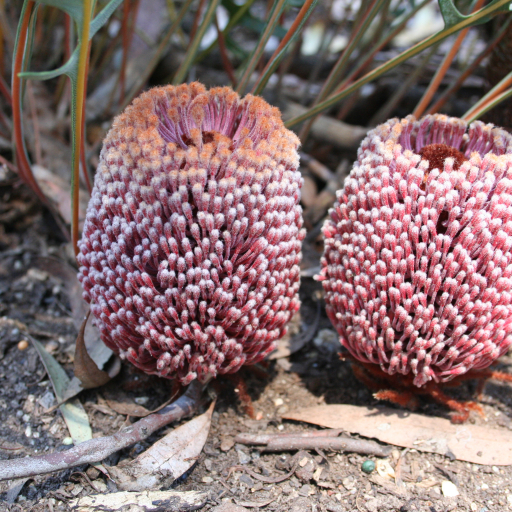
Often called the Fern-leaf Banksia or Ground Blechnum Banksia, this Western Australian native is a botanical illusionist. While most Banksias reach for the sky as trees or large shrubs, this species hugs the earth like a prehistoric carpet. It is beloved by garden enthusiasts for its unique ability to provide ground cover while producing massive, fuzzy flower spikes that seem to grow directly out of the sand.
🔍 How to Identify
- 🌿 The Foliage: Long, upright leaves that are deeply "toothed" or lobed, making them look remarkably like a Blechnum fern. New growth often emerges with a soft, rusty-bronze fuzz.
- 🧶 The Blooms: Large, cylindrical flower spikes (up to 20cm tall) that are a rich reddish-pink or brownish-orange. They grow vertically from the prostrate stems on the ground.
- 匍 Growth Habit: This is a prostrate plant, meaning it spreads horizontally via underground stems (rhizomes), creating a dense mat of green serrated leaves.
🏡 In Your Garden
- 🏜️ Drainage is Vital: Because it originates from the sandy plains of Western Australia, this plant is highly susceptible to root rot. It requires "perfect" drainage and thrives in sandy or gravelly soils where water never sits.
- 🧪 Special Roots: Like all Banksias, it has "proteoid" roots (clusters of fine rootlets). This means it is highly sensitive to phosphorus. Only use specialized "Native" fertilizers, or you may accidentally overwhelm the plant’s nutrient intake.
- ☀️ Sun Seeker: It performs best in full sun. In shaded spots, the foliage may become sparse, and the iconic ground-level flowers may fail to develop.
⚠️ Safety & Toxicity
- ✅ Status: Non-toxic and safe.
- 🌵 Physical Irritation: While not poisonous, the leaves are quite stiff and the flower cones become very hard and woody as they age. They can be a bit "prickly" for curious pets or toddlers playing nearby.
✨ Fun Fact
The name Blechnifolia literally means "leaves like a Blechnum fern." It is so good at mimicking a fern that when it isn't in flower, many hikers mistake it for a common woodland fern—until they see it growing in the middle of a dry, sun-drenched desert!

Detailed Care Instructions

Place in a bright room that is sun drenched almost all day. Or directly in a south-facing window.
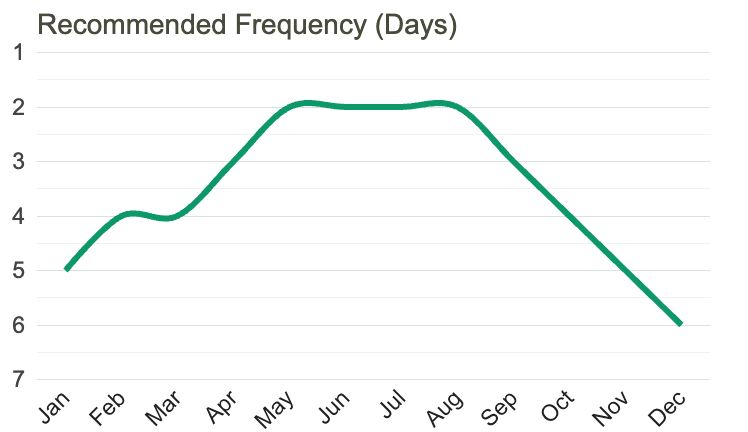
To water this plant, you should first check the soil moisture level by sticking your finger about an inch into the soil. If it feels dry, it's time to water. Fill a watering can or bucket with room temperature water, and slowly pour it around the base of the plant. Avoid getting water on the foliage, as this can lead to fungal diseases. Allow the water to soak into the soil before watering again. During hot weather or drought, you may need to water more frequently, but be careful not to overwater, as this can also be harmful to the plant.
The ideal soil for Banksia Blechnifolia plant is a well-draining mix with a slightly acidic pH level. It should be nutrient-rich and have good water retention capabilities to promote healthy growth and development. The soil should not be compacted, as this may impede root growth and lead to waterlogging. Adequate drainage is crucial to ensure that the plant does not become waterlogged, which can lead to root rot. Additionally, the soil should be free from any harmful chemicals or toxins that may harm the plant. A mixture of sand, peat moss, and perlite is ideal for Banksia Blechnifolia plant, as it provides the necessary drainage and nutrient availability. The root ball should be planted slightly higher than the surrounding soil to allow for adequate drainage.








