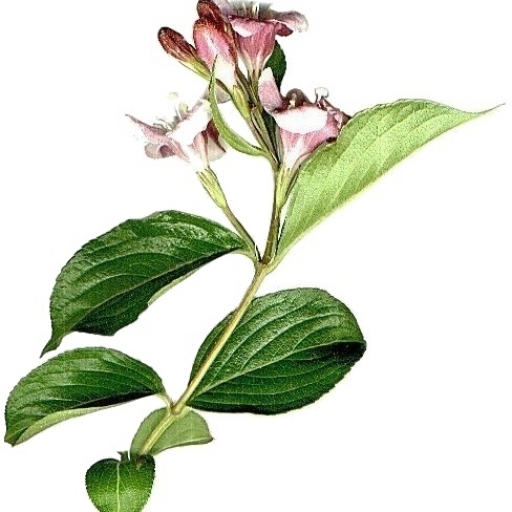
Plant Overview
Often called the Bush Violet, Barleria obtusa is a beloved scrambling shrub famous for its "last hurrah" of color. As summer fades into autumn, this plant blankets itself in a sea of violet-blue flowers, providing a vital late-season nectar feast for garden visitors. In its native Southern African landscapes, it is a staple for those looking to add soft, wild texture to rockeries and borders.
🔍 How to Identify
- 🌸 The Flowers: Funnel-shaped blooms with five spreading lobes, typically in shades of lavender, violet, or occasionally white. They appear in dense clusters at the ends of branches.
- 🍃 The Foliage: Small, dull-green leaves that are elliptical in shape and feel slightly velvety or hairy to the touch.
- 🌿 The Habit: A sprawling, low-growing shrub that tends to "scramble" over neighboring plants or walls. It can reach about 3 feet (1 meter) in height and spread.
🏡 In Your Garden
- ✂️ Pruning Strategy: Because it has a vigorous, sprawling growth habit, it can become leggy or untidy. The secret is to prune it back hard immediately after it finishes flowering in late autumn; this encourages a neat, bushy shape for the next season.
- 🦋 Wildlife Magnet: It is a high-priority plant for pollinators. It serves as a major food source for various butterfly species and attracts bees and insect-eating birds to the garden.
- 🏜️ Tough Character: Once established, it is remarkably drought-tolerant and can survive in both full sun and dappled shade, making it perfect for those "difficult" corners of the yard.
⚠️ Safety & Toxicity
- 🟢 Status: Generally considered non-toxic.
- 🐾 Details: There are no known reports of toxicity to dogs, cats, or humans. Its soft leaves make it a much "friendlier" garden choice compared to its spiny relatives in the Barleria genus.
✨ Fun Fact
The Barleria obtusa has a clever way of spreading its offspring: when the seed capsules dry out, they explode with a distinct "popping" sound, flinging seeds several feet away from the mother plant to ensure a wider territory!

Detailed Care Instructions
To grow Barleria Obtusa, also known as Bush Violet, you can follow these steps:
- Select a suitable location: Choose a spot that receives full to partial sun. Barleria Obtusa prefers warm temperatures and can tolerate a variety of soil types.
- Prepare the soil: Ensure that the soil is well-draining and fertile. You can amend the soil with organic matter such as compost to improve its nutrient content and drainage.
- Planting: Dig a hole in the prepared soil that is slightly larger and deeper than the plant's root ball. Place the plant in the hole and backfill with the soil, gently firming it around the roots. Keep a distance of about 2-3 feet between multiple plants.
- Watering: Water the newly planted Barleria Obtusa thoroughly after planting to settle the soil and encourage root establishment. Afterward, water the plant consistently, keeping the soil evenly moist but not waterlogged. Reduce watering during winter months.
- Mulching: Apply a layer of mulch around the plant to suppress weeds, retain moisture, and regulate soil temperature. Use organic materials such as wood chips or straw, and keep the mulch a few inches away from the stem to prevent rotting.
- Fertilizing: Feed the plant during the growing season with a balanced, slow-release fertilizer to promote healthy growth and blooming. Follow the package instructions for application rates.
- Pruning: Barleria Obtusa benefits from regular pruning to maintain a compact and tidy shape. This can be done after flowering or in late winter or early spring. Remove any dead, damaged, or overgrown branches, and shape the plant as desired.
- Propagation: If you wish to propagate Barleria Obtusa, you can do so through stem cuttings. Take 4-6 inch cuttings from healthy, mature stems. Remove the lower leaves and dip the cut end in rooting hormone. Plant the cutting in moist, well-draining potting mix and place it in a warm and bright location. Keep the soil consistently moist until new roots form.
Remember to monitor the plant for pests and diseases, and take appropriate measures if necessary. Enjoy the vibrant flowers and the beautiful, bushy growth of Barleria Obtusa in your garden!

Place in a bright room that is sun drenched almost all day. Or directly in a south-facing window.

Barleria Obtusa plants should be watered regularly, but it is important not to overwater them. Allow the top inch of soil to dry out between waterings, then thoroughly water the soil until water drains out of the bottom of the pot or the ground around the plant. Avoid getting water on the leaves, as this can encourage fungal growth. During hot and dry weather, water the plant more frequently to keep the soil moist. In cooler weather or during dormancy, reduce watering to prevent root rot.
- Choose a balanced fertilizer with equal amounts of nitrogen, phosphorous, and potassium.
- Dilute the fertilizer according to the package instructions.
- Apply the fertilizer to the soil around the base of the plant.
- Use a hand rake or hoe to gently work the fertilizer into the soil.
- Water the plant thoroughly after application to help distribute the fertilizer throughout the root zone.
- Fertilize the plant every 4-6 weeks during its growing season.
- Avoid applying fertilizer to the leaves or stems, as this can cause damage to the plant.
- Monitor the plant for signs of over-fertilization, such as yellowing leaves or stunted growth, and adjust your fertilizing schedule accordingly.
Barleria Obtusa plant prefers a well-draining soil mix that is rich in organic matter. It thrives in a soil that has a pH range of 6.0 to 7.5. A mixture of coarse sand, peat moss, and perlite is ideal for this plant. The soil should not be too compact or too loose to avoid root rot or nutrient deficiencies. It would be best to fertilize the plant with a balanced fertilizer every two to three weeks during the growing season. Make sure not to over-fertilize, as this can damage the plant. Proper watering is also crucial for the Barleria Obtusa plant, as it prefers consistently moist soil but not too waterlogged.
There are a few ways to propagate this plant. One method is to take stem cuttings from the parent plant. Using sterile pruning shears, cut a 4-6 inch section of stem from the top of the plant, making sure to include at least one node (where the leaves attach to the stem). Remove any lower leaves, leaving only a few at the top. Dip the cut end in rooting hormone and plant the cutting in a well-draining potting mix. Keep the soil evenly moist and in a warm, bright location. It should take a few weeks for roots to form, and once they do, the plant is ready to be potted on its own or planted in the garden.








