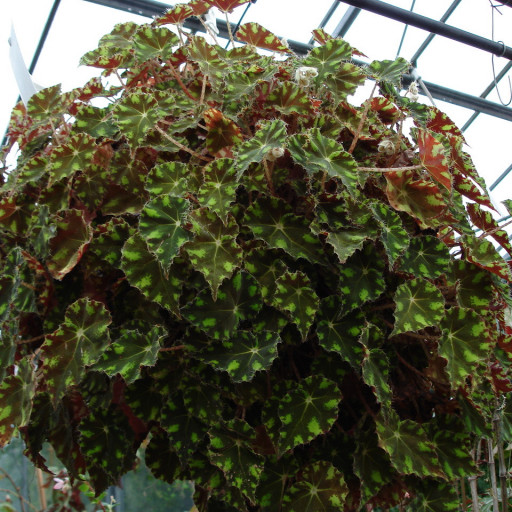
Plant Overview
Commonly known as the Eyelash Begonia or Tiger Begonia, this Mexican native is a miniature marvel of the plant world. It is beloved for its striking "tiger-stripe" patterns and the delicate, hair-like bristles that fringe its leaves, giving it an almost sentient appearance. Despite its fierce name, it’s a compact, friendly houseplant that fits perfectly on a crowded windowsill or tucked into a humid terrarium.
🔍 How to Identify
- 👁️ The "Eyelashes": The most distinct feature is the row of stiff, dark hairs lining the leaf margins, which look remarkably like long eyelashes.
- 🐯 Variegation: The small, heart-shaped leaves feature a vibrant emerald green base heavily splotched with dark chocolate or bronze markings along the edges.
- 🌱 Creeping Rhizomes: Unlike upright plants, this begonia grows from thick, fuzzy stems (rhizomes) that crawl along the surface of the soil, eventually spilling over the sides of the pot.
🏡 In Your Garden
- 💧 Humidity is Key: This plant hails from tropical shade. While it craves high humidity, its thick rhizomes act like cacti and store water; overwatering the soil will cause the plant to melt away from root rot.
- ☀️ Light Sensitivity: Its leaves are delicate and "burn" easily. In a home setting, it prefers the soft, dappled light of an east-facing window rather than the harsh glare of the afternoon sun.
- 🪴 Terrarium Compatibility: Because of its petite size and love for moist air, it is a superstar for closed terrariums, where it acts as a lush, patterned groundcover.
⚠️ Safety & Toxicity
- 🐾 Toxic to Pets: Begonia bowerae contains calcium oxalates, which are toxic to cats and dogs.
- 👄 Irritant: If ingested, it can cause intense oral irritation, drooling, and difficulty swallowing. The most toxic parts are the underground rhizomes, so ensure curious pets cannot dig it up.
✨ Fun Fact
The "eyelashes" on the leaves aren't just for show! In the wild, these hairs help the plant sense its surroundings and may play a role in shedding excess rainwater from the leaf surface to prevent fungal growth in the humid Mexican rainforest.

Detailed Care Instructions
To grow Begonia bowerae, also known as the Frosted Begonia, you can follow these steps:
- Choose a suitable location: Begonia bowerae prefers indirect light or partial shade. Avoid direct sunlight, as it can scorch the leaves. Find a spot with bright, filtered light.
- Prepare the soil: Use well-draining soil that retains some moisture. You can use a soil mix for indoor plants or create a mix of equal parts peat moss, perlite, and potting soil.
- Select a container: Choose a pot or container with drainage holes to prevent waterlogging. The size should be appropriate for the size of the plant, typically a 6-8 inch pot will suffice.
- Planting: Place the begonia plant in the pot, ensuring that the roots are covered with soil. Avoid burying the stem too deep. Gently pat the soil around the plant to secure it.
- Watering: Water the plant thoroughly but allow the top inch of soil to dry out between watering. Overwatering can lead to root rot, so it's important to find the right balance. Begonias enjoy consistent moisture, but they don't like sitting in waterlogged soil.
- Humidity: Begonias thrive in high humidity. You can increase humidity by placing the pot on a tray filled with water and pebbles or use a humidifier near the plant. Misting the leaves regularly can also help.
- Temperature and environment: Begonia bowerae prefers a warm environment with temperatures between 65-75°F (18-24°C). Keep the plant away from drafts and cold windows.
- Fertilizer: Feed the plant with a balanced liquid fertilizer diluted according to the instructions on the product packaging. Apply the fertilizer every two to four weeks during the growing season (spring to early fall).
- Pruning: Regularly remove dead or yellowed leaves to maintain the plant's overall health and appearance. Pruning can also help control the size and shape of the plant.
- Propagation: Begonia bowerae can be propagated through stem or leaf cuttings. Cut a healthy stem or leaf, dip it in a rooting hormone, and plant it in a small pot with moist, well-draining soil. Place it in a warm and humid environment until it develops roots.
Remember that Begonia bowerae is native to tropical regions, so creating a warm and humid environment will help it thrive. With proper care and attention, your Begonia bowerae plant should grow and flourish.

Place in a window with dappled sun or a spot in the middle of a room. Or directly in a window facing west or east.

One way to water this particular plant would be to first check the soil moisture by sticking your finger about an inch into the soil. If it feels dry, it is time to water. Set a watering can or hose with a gentle flow at the base of the plant and water until water starts to drain from the bottom of the pot. Avoid letting the soil become too soggy or waterlogged. Depending on environmental factors, it may require watering once or twice a week, or less frequently in cooler or less humid conditions.
- Choose a balanced water-soluble fertilizer with equal ratios of nitrogen, phosphorus, and potassium.
- Dilute the fertilizer according to the manufacturer's instructions.
- Apply the fertilizer to moist soil every two to four weeks during the growing season, starting from early spring to late summer.
- Apply the fertilizer at the base of the plant, avoiding getting it on the leaves or flowers.
- Water the plant thoroughly after applying fertilizer to ensure proper absorption.
- Reduce fertilization during the fall and winter months when plant growth slows down.
- Monitor the plant for any signs of nutrient deficiencies or excesses and adjust the fertilization schedule accordingly.
The most suitable soil for the Begonia Bowerae plant should be a well-draining soil mix that is fertile, rich in organic matter, and slightly acidic in pH. It is recommended to use a soil mix that contains a combination of peat moss, perlite or vermiculite, and coarse sand or grit. This type of soil provides good aeration, drainage, and moisture retention to ensure the health and growth of the plant. Additionally, it is important to avoid using heavy, compacted, or alkaline soil mixes as they can lead to poor root growth, soil-borne diseases, and reduced plant vigor.
To propagate this plant, you will need a healthy parent plant with healthy leaves and stems. Cut a piece of stem that is about 4-6 inches long and has at least 2-3 leaves attached. Remove any leaves that are close to the bottom of the stem.
Prepare a pot with well-draining soil and make a hole with a pencil or a stick. Dip the bottom of the stem into rooting hormone powder and gently tap off any excess. Place the stem into the hole and cover it with soil. Water the soil and cover the pot with a plastic bag to create a humid environment.
Keep the pot in bright, indirect light and maintain a consistent level of moisture in the soil. You can check for roots by gently pulling the stem after a few weeks. If there is resistance, that means roots have formed and you can remove the plastic bag.
Once the new plant has established roots, you can transplant it into a larger pot or outdoors in a shaded area. Be patient with the growth of your new plant, it may take some time for it to reach the same size as its parent plant.
Common pests of the eyelash begonia include Mealybugs, spider mites, aphids, whiteflies. Make a habit of checking your eyelash begonia frequently for pests so that any infestations can be caught and managed early.








