Plant Overview
Often mistaken for a miniature palm tree, Begonia caroliniifolia is one of the most architectural and striking species in the Begonia world. Native to the cloud forests of Mexico and Guatemala, it brings a prehistoric, tropical vibe to any indoor collection. Unlike the soft, bushy begonias commonly seen in garden centers, this "thick-stemmed" beauty stands tall on a sturdy base, looking more like a piece of living fossil art than a simple houseplant.
🔍 How to Identify
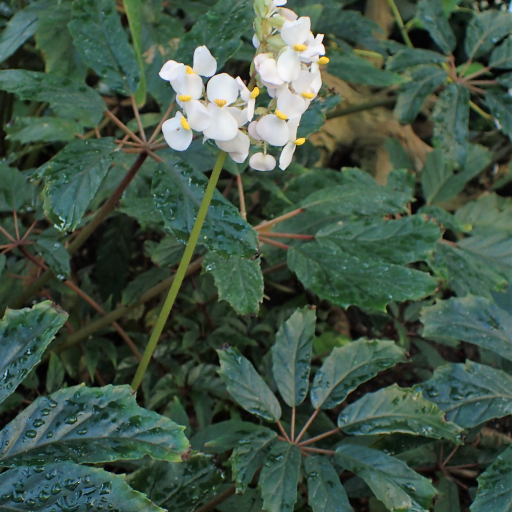
- 🖐️ The Leaves: It features large, palmate (hand-shaped) leaves with 6 to 9 deep lobes. The foliage is thick, glossy, and dark green, held high on long, elegant stalks called petioles.
- 🪵 The Rhizome: Unlike many begonias that hide their stems, this species develops a thick, woody-looking, upright rhizome that resembles a small tree trunk as the plant matures.
- 🌸 The Blooms: In late winter and early spring, it sends out airy clusters of delicate, pale pink or white flowers that hover gracefully above the "palm" canopy.
🏡 In Your Garden
- 🌿 The Soil Nuance: Because of its thick, water-storing rhizome, this plant is highly sensitive to "wet feet." It thrives in a chunky, porous potting mix—think orchid bark and perlite—to ensure the roots can breathe as they would on the forest floor.
- 🌬️ Air & Humidity: While it is sturdier than the fragile Rex Begonias, it still craves high humidity. If your home is dry, it will signal its unhappiness by crisping at the leaf tips; a pebble tray or a nearby humidifier is its best friend.
⚠️ Safety & Toxicity
- 🚫 Status: Mildly toxic to humans and pets.
- 🐱 Details: This plant contains calcium oxalate crystals. If chewed or ingested, it can cause immediate irritation of the mouth and throat, drooling, and digestive upset. Keep it on a high shelf away from curious cats, dogs, and toddlers.
✨ Fun Fact
Begonia caroliniifolia is one of the few begonias that truly "vines" or climbs in its natural habitat, using its thick rhizomes to scale mossy rocks and tree trunks in the humid Central American highlands!

Detailed Care Instructions
To grow Begonia Caroliniifolia plant, follow these steps:
- Purchase a healthy Begonia Caroliniifolia plant from a reputable nursery or online supplier. Look for a plant with lush green leaves and no signs of diseases or pests.
- Choose a suitable pot with drainage holes to ensure proper water drainage. Begonias prefer well-draining soil, so use a high-quality potting mix blended with perlite or sand to improve drainage.
- Place the plant in a location with bright, indirect sunlight. Avoid direct sunlight, as it can scorch the leaves. Begonias thrive in warm temperatures between 65-75°F (18-24°C).
- Water the plant thoroughly when the top inch of soil feels dry. However, avoid overwatering, as excessive moisture can cause root rot. Always check the moisture level before watering and adjust the frequency based on the plant's needs.
- Maintain humidity levels between 50-60%. Begonia Caroliniifolia prefers higher humidity, especially during winter when indoor air tends to be drier. You can place a humidifier nearby or use a tray filled with water and pebbles under the pot to increase humidity.
- Fertilize the plant gently once a month during the growing season (spring and summer) using a balanced, water-soluble fertilizer. Follow the package instructions for proper dosage, as overfertilizing can burn the plant.
- Pinch off any yellowing or dead leaves to maintain a healthy appearance and encourage new growth. Prune leggy or unwanted branches to promote bushier growth. Begonias can also benefit from periodic grooming to remove spent flowers or leaves.
- Monitor the plant for signs of pests such as aphids, mealybugs, or spider mites. If detected, treat the infestation using natural or chemical insecticides according to the instructions.
- Overwinter the Begonia Caroliniifolia indoors if you live in a climate with cold winters. Reduce watering and stop fertilizing during this period. Place the plant in a location with bright, indirect light and moderate temperatures.
By following these guidelines, you can successfully grow Begonia Caroliniifolia and enjoy its vibrant foliage and delicate flowers.

Place in a window with dappled sun or a spot in the middle of a room. Or directly in a window facing west or east.

To properly water this plant, you should first ensure that the soil is dry to the touch before watering it. The amount of water needed will depend on the size of the pot and the environmental conditions in the surrounding area, such as temperature and humidity. It is important not to overwater the plant, as this can lead to root rot and other issues. One method of watering is to gently pour water into the pot until it starts to drain out of the bottom, then wait until the soil has fully absorbed the water before emptying the excess from the drainage tray. Alternatively, you can soak the pot in water until the soil is moist, then remove it and allow the excess water to drain out. Additionally, you can mist the leaves with water to provide some additional moisture.
To fertilize this plant, use a balanced fertilizer with a ratio of 10-10-10. Apply the fertilizer once every two weeks during the growing season. Mix the fertilizer with water according to the package instructions and water the plant thoroughly. Avoid applying fertilizer to dry soil or when the plant is stressed. Overfertilization can cause burn or damage to the plant, so it is important to follow the package instructions carefully.
Begonia Caroliniifolia is a plant that prefers a well-draining soil with a slightly acidic pH level. It requires a soil mix that retains moisture yet does not become waterlogged. A soil mix that contains a mixture of organic materials such as peat moss and perlite is ideal for this plant. It is recommended to avoid using heavy clay soils or soils that contain a high amount of sand. As this plant is sensitive to fertilizer, it is recommended to use a balanced slow-release fertilizer to avoid any damage to the growing plant. Overall, the soil mix should be well-aerated, well-draining and have a slightly acidic pH level of around 6.0 to 6.5.
- Choose a healthy parent plant with strong stems and plenty of foliage.
- Select a healthy leaf or stem cutting from the parent plant, making sure it has at least one node.
- Dip the cut end of the cutting in rooting hormone to promote root growth.
- Plant the cutting in a pot filled with a well-draining potting mix.
- Water the cutting thoroughly and place it in a warm, bright location with indirect sunlight.
- Keep the soil moist but not waterlogged and mist the cutting regularly to increase humidity.
- After a few weeks, roots should begin to form and new growth will appear.
- Once the cutting has established roots and new growth, it can be transplanted to a larger pot or planted outdoors in a suitable location.
- Remember to continue to provide proper care and maintenance for the new plant to ensure its continued health and growth.
Common pests of the begonia caroliniifolia include Mealybugs, spider mites, aphids, whiteflies. Make a habit of checking your begonia caroliniifolia frequently for pests so that any infestations can be caught and managed early.








